
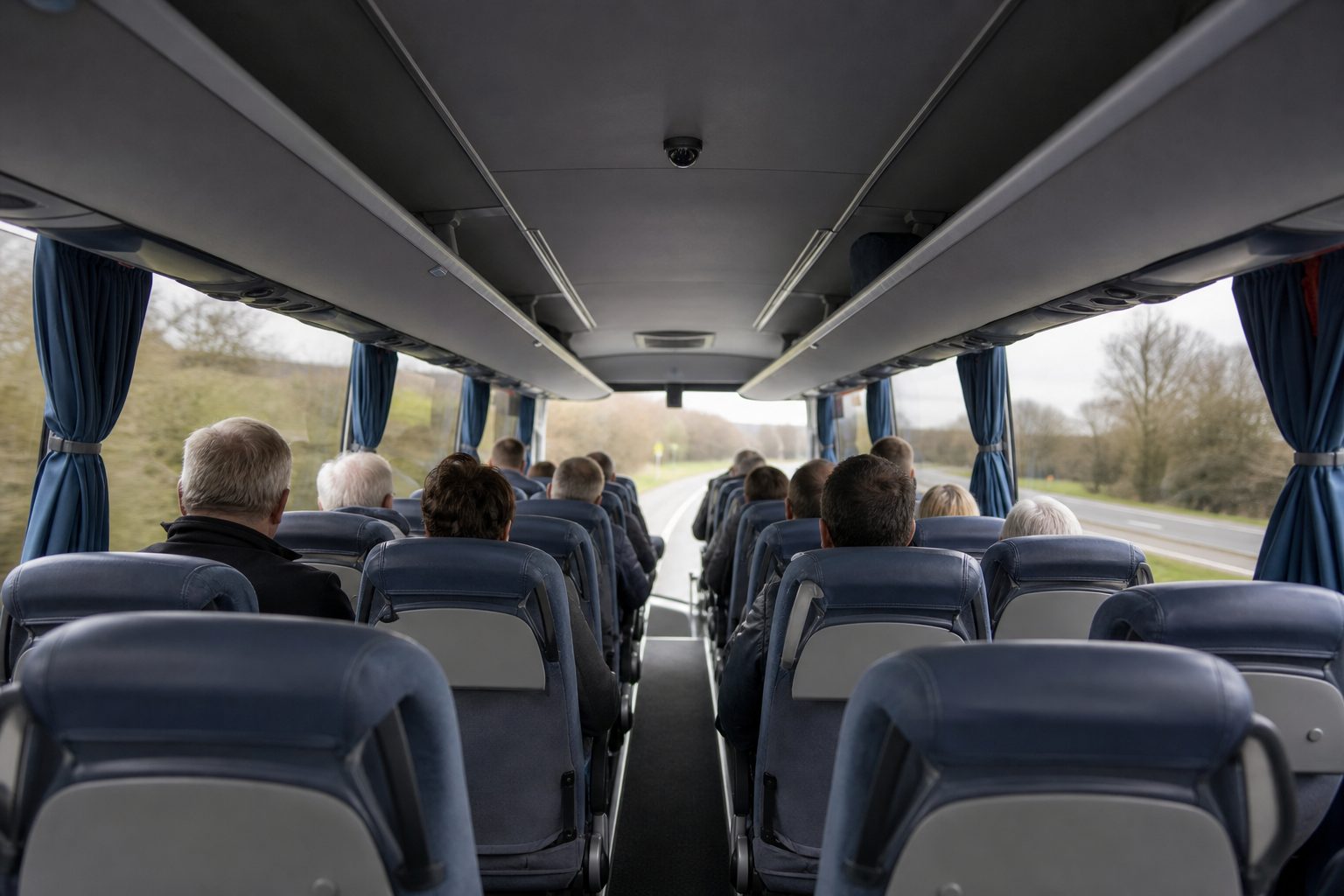
Driver behaviour monitoring in a PSV fleet operates under a set of constraints that other commercial vehicle sectors do not face in the same combination. The driver is a licensed PSV driver subject to DVSA standards; they operate under a tachograph requirement; they carry passengers whose complaints can reach a Traffic Commissioner; and they are […]
4 August 2026
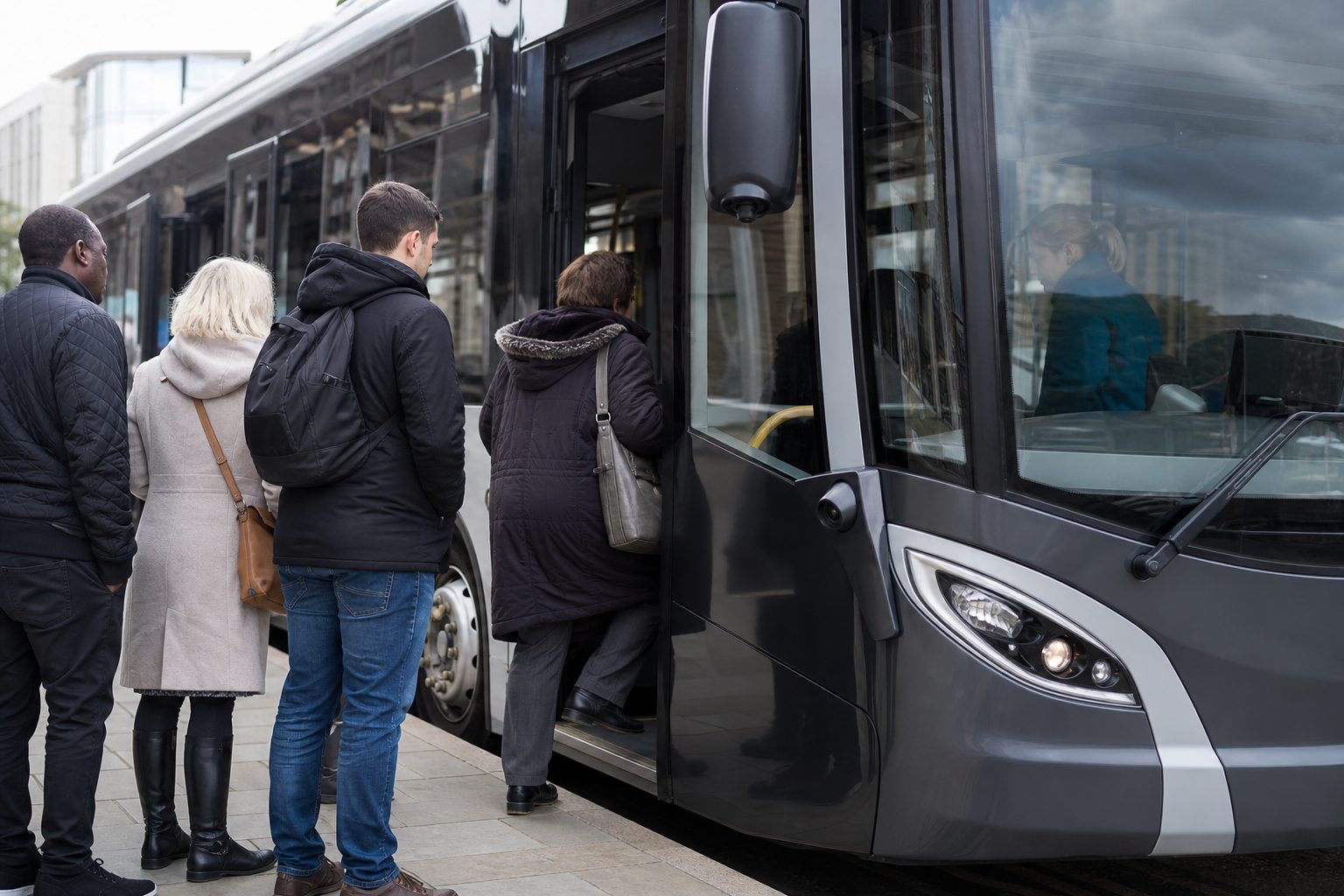
The sensor systems that protect the external road environment on a coach — BSIS for the nearside blind spot, MOIS for moving-off detection — are well-established in the DVS and FORS compliance frameworks that apply to HGVs — passenger vehicles are not in scope of either, though fitting the equivalent systems is good practice. The […]
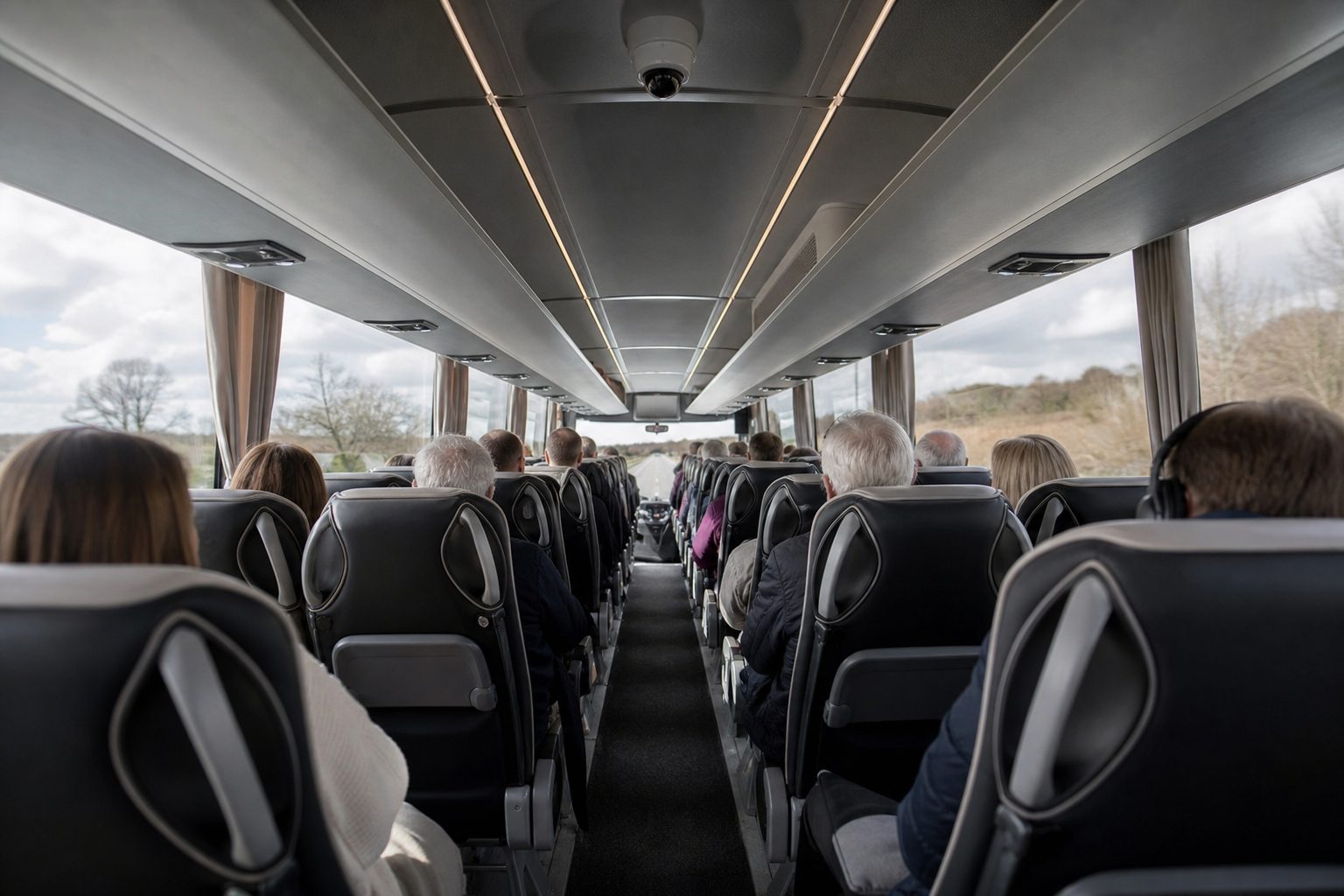
A long-distance coach operator running a vehicle from London to Edinburgh cannot phone the driver to check on a passenger welfare concern without creating a distraction event. Without live view, the options are to wait for the next scheduled stop or to radio ahead to the terminus and hope the situation resolves itself. With live […]
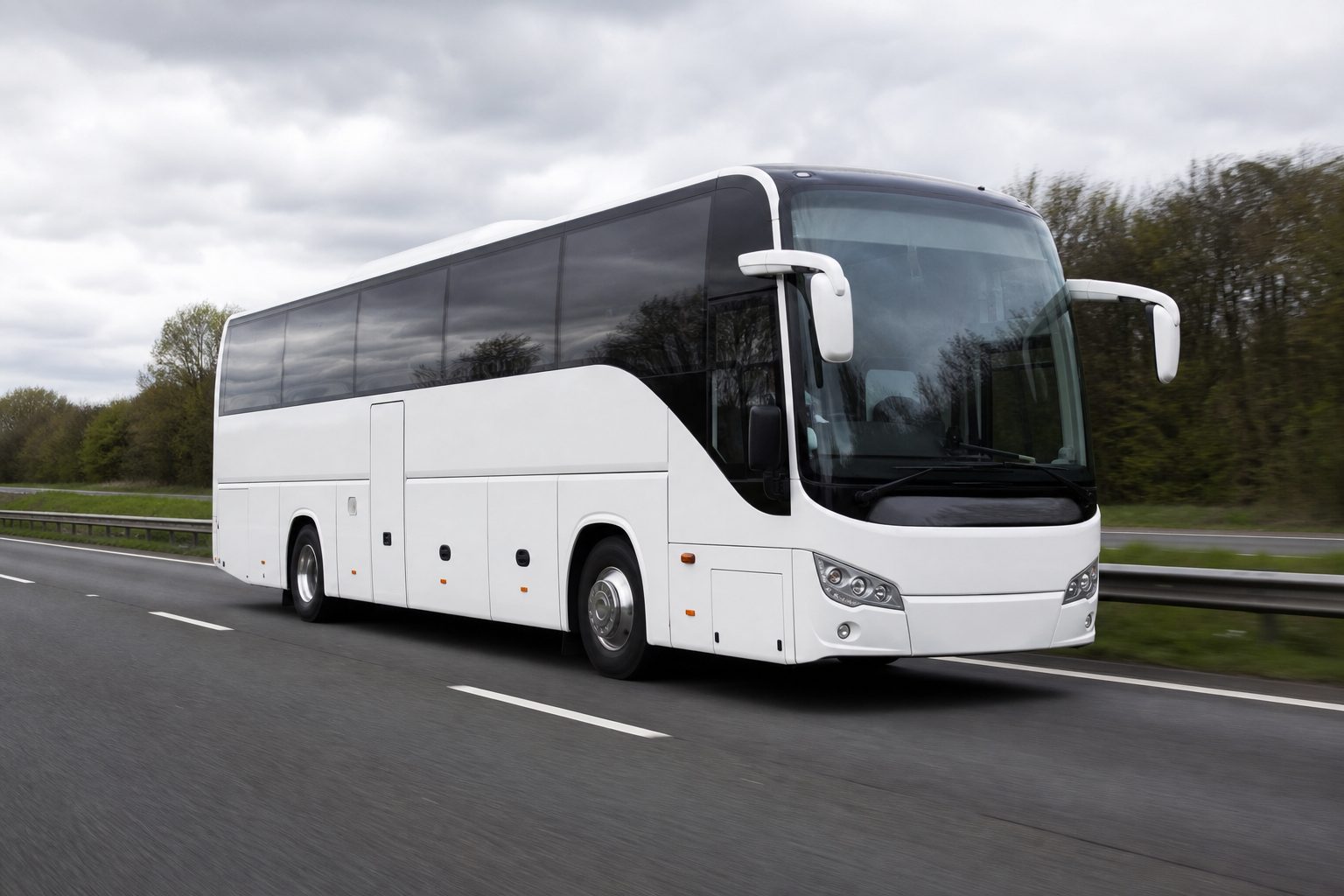
A public service vehicle — whether a 53-seat coach, a city bus, or a minibus — carries more people than any other vehicle type in the fleet category, and presents a camera specification challenge that is both external and internal. The external cameras address the road and pedestrian environment; the interior cameras address the passenger […]
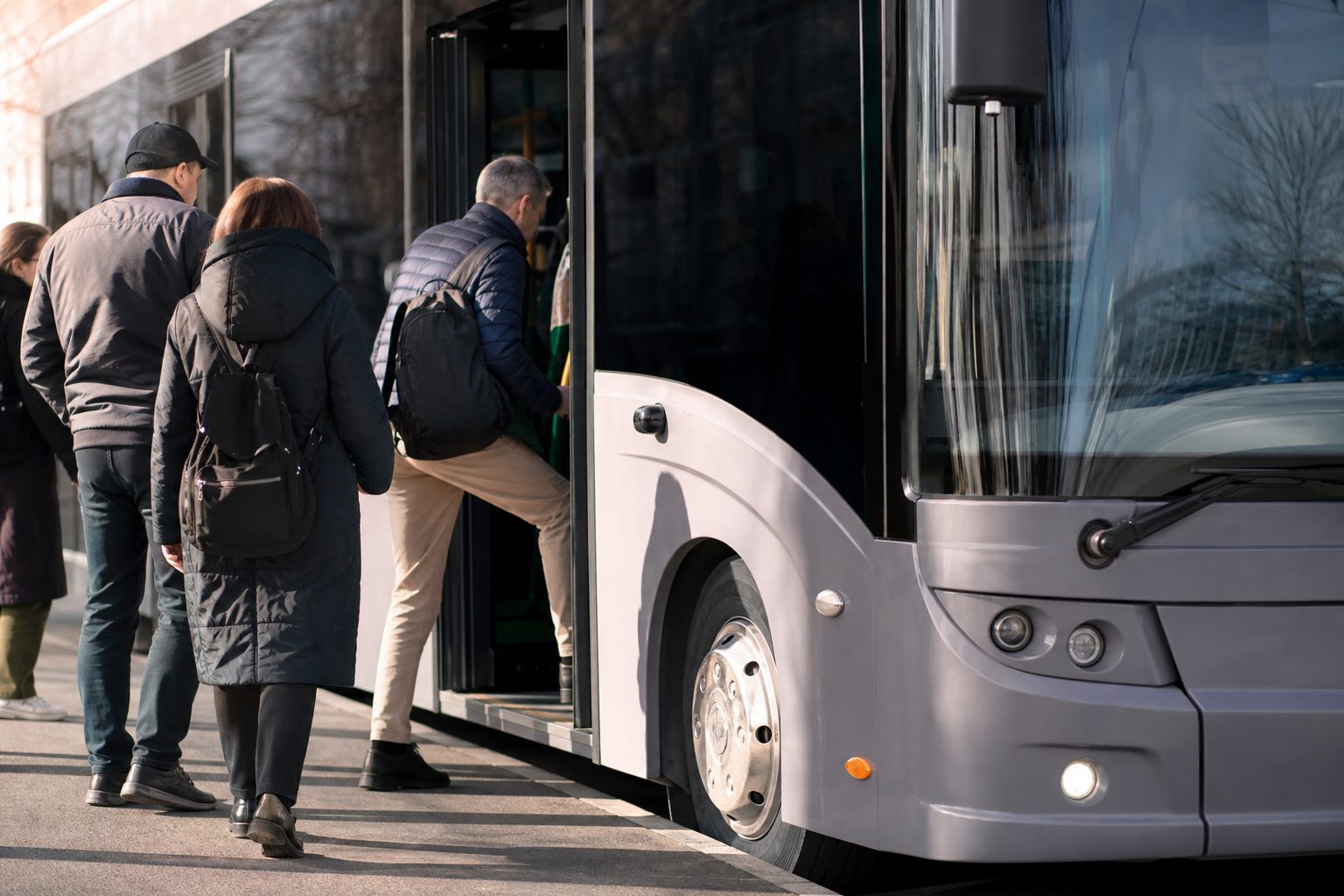
Passenger incident claims on coaches and buses cover a different risk profile from road traffic incidents. The primary claim categories — slip and trip on boarding steps, door entrapment, falls from seat during harsh braking, assaults by other passengers — occur entirely within the vehicle or at the boarding zone, in spaces where the driver […]
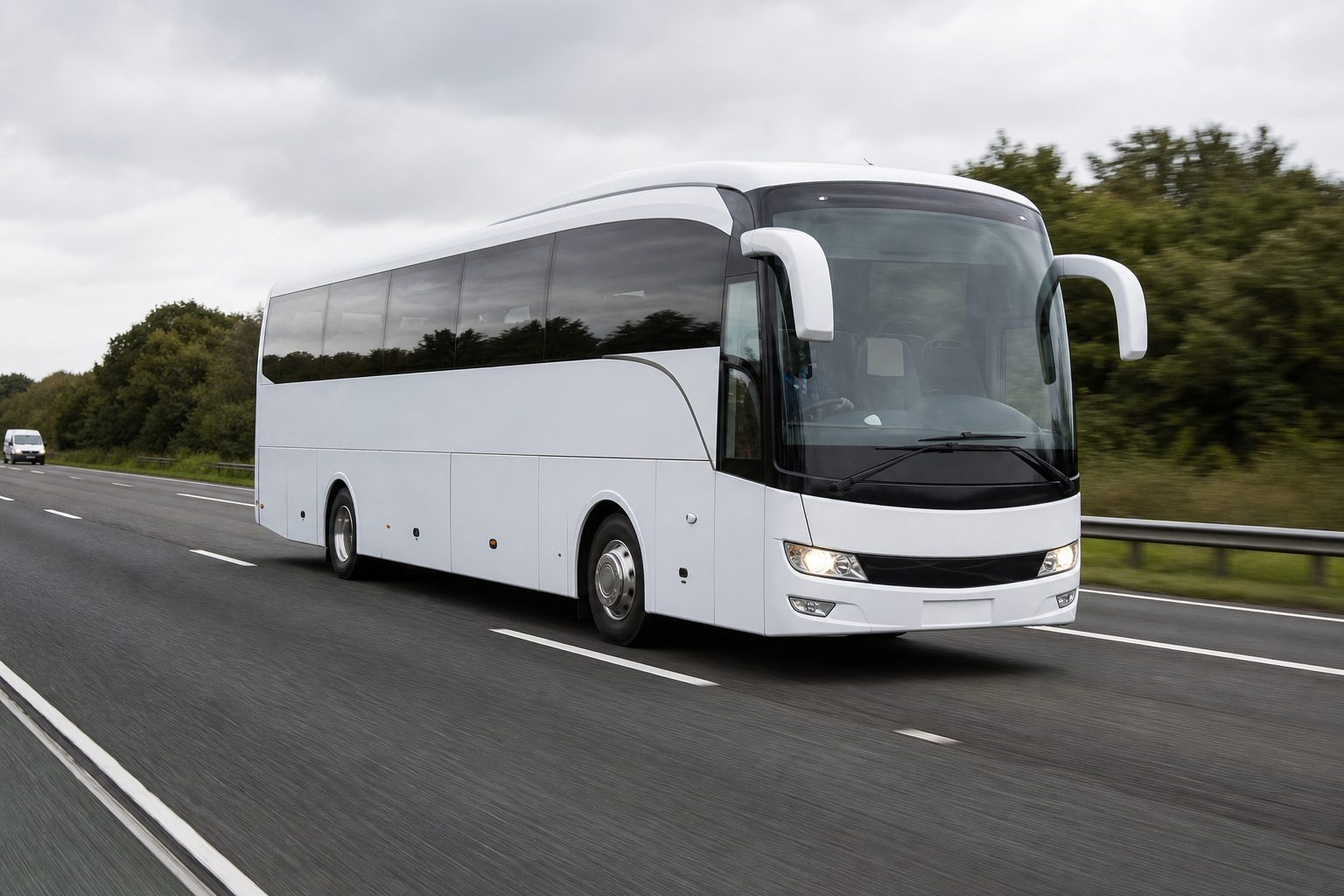
A coach operator asking which cameras their vehicles legally need will receive different answers depending on where those vehicles operate, how many passengers they carry, and whether they access London. The compliance framework for coaches and buses overlaps several different regulatory domains — FORS, the PSV licensing regime, the Equality Act’s provisions on accessible transport, […]
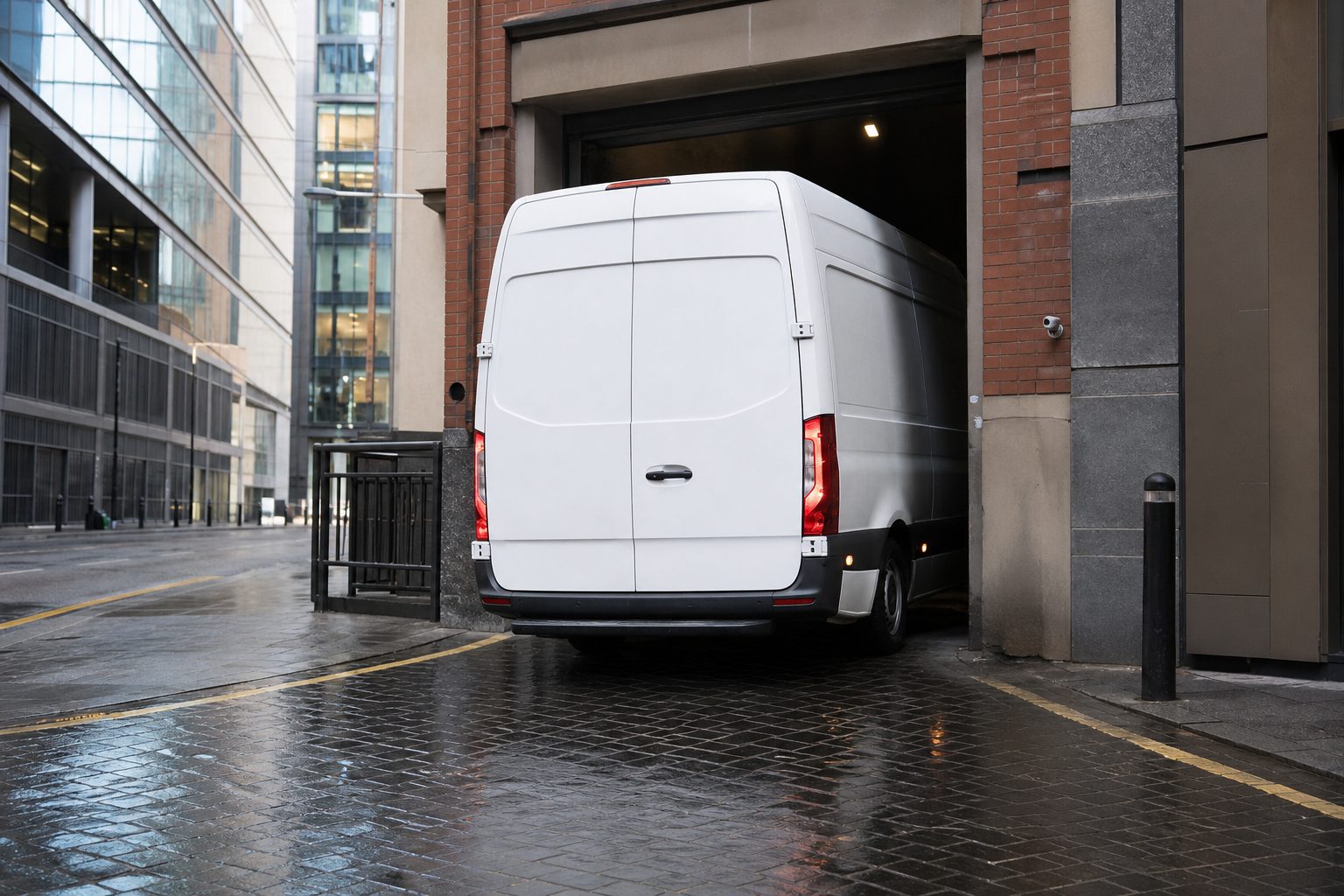
The difference between a delivery fleet that resolves claims efficiently and one that settles every contested case is not usually the camera hardware. It is the evidence retrieval process — how quickly footage is accessed, how it is preserved, what accompanying documentation is assembled, and whether the resulting evidence pack is in a form that […]
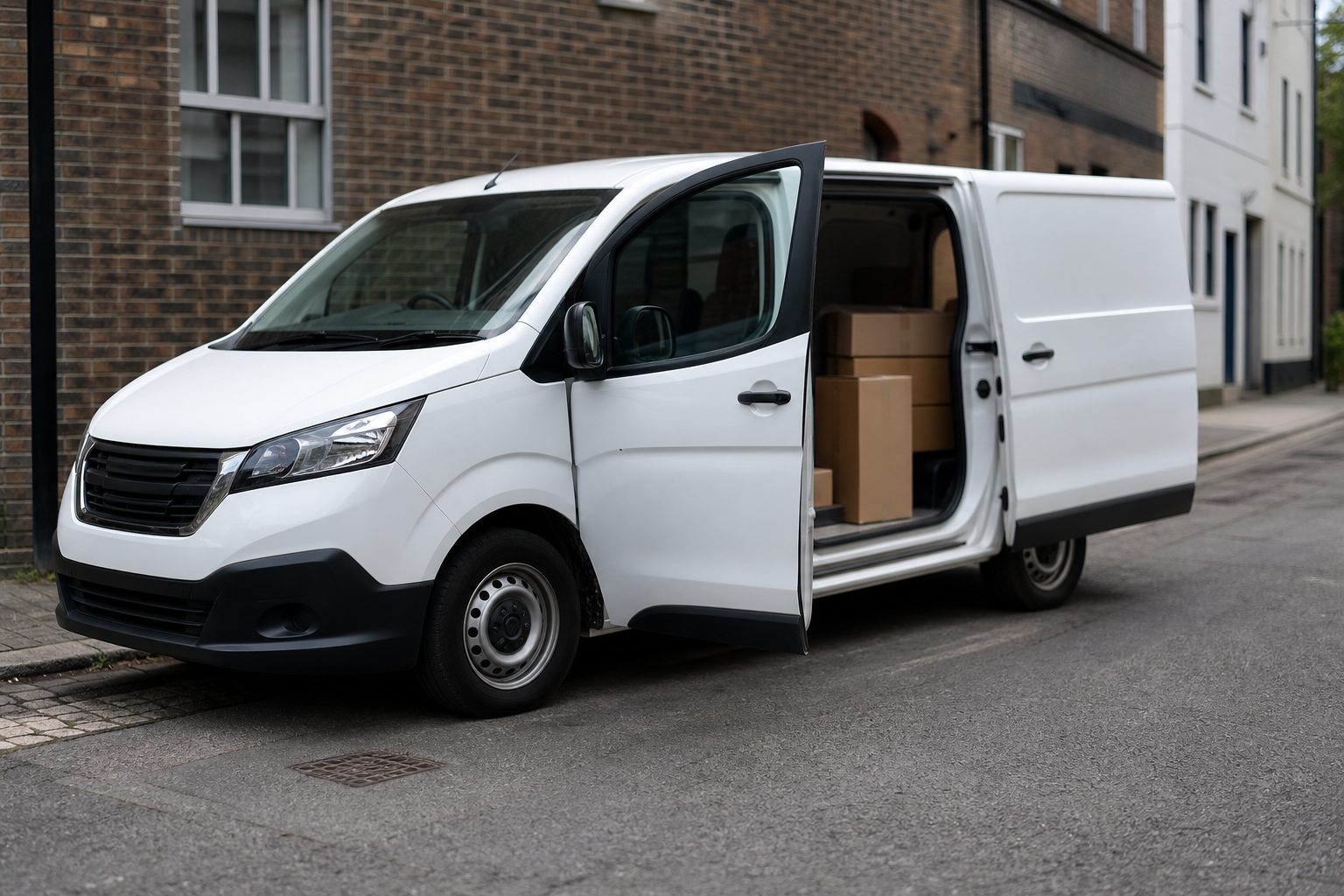
Delivery driving is statistically one of the more hazardous occupations in the UK road transport sector. Not because of motorway speeds or long-haul fatigue — but because of repetition. A courier completing 60 stops per day in urban and suburban environments encounters the same high-risk scenarios dozens of times: pulling away from a stop in […]
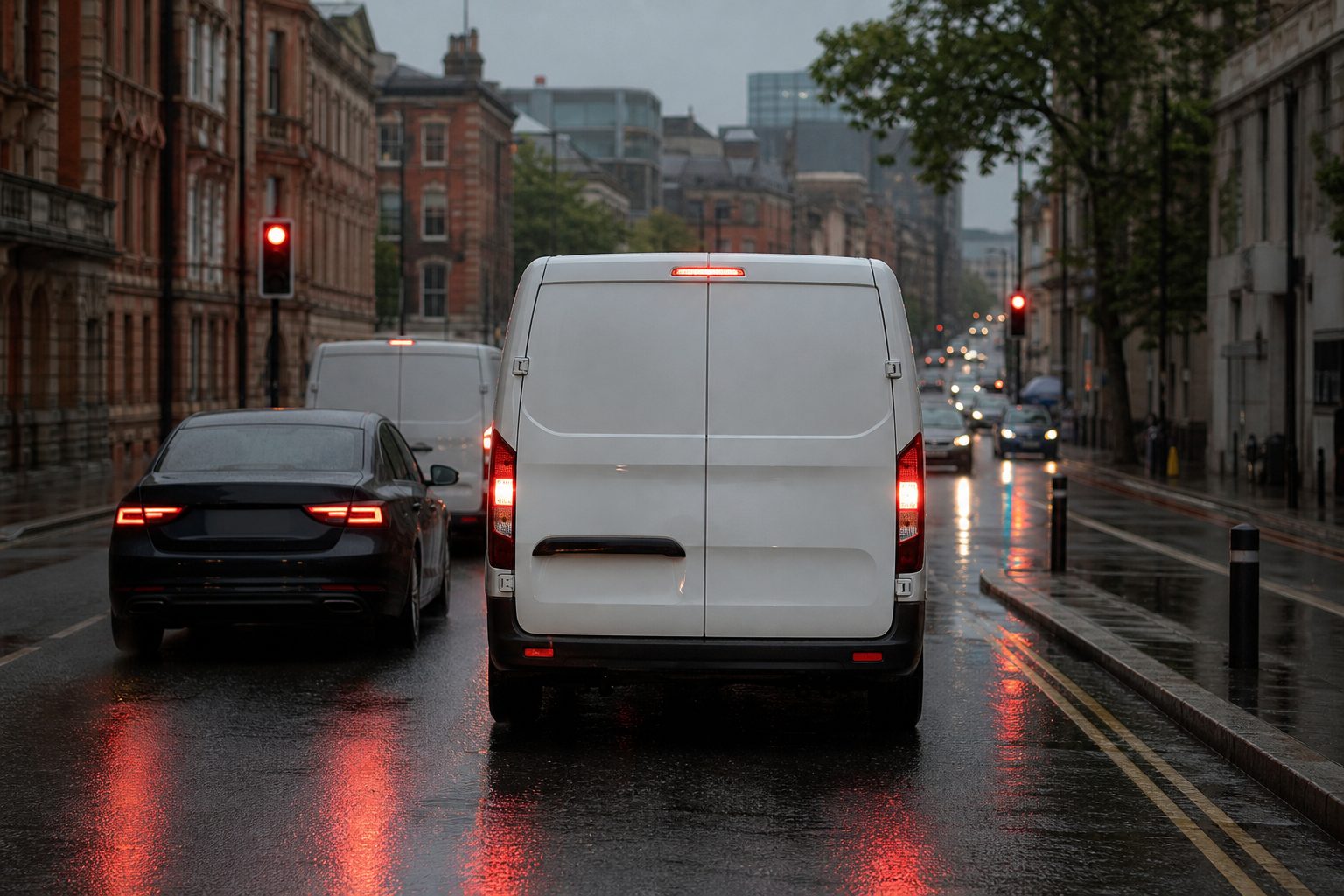
A delivery van making 60 stops in a day executes 120 parking manoeuvres — 60 approach stops and 60 pull-aways. In urban and suburban environments, each one occurs in a different context: different road width, different visibility, different proximity to kerbs, bollards, parked vehicles, and pedestrians. No driver has consistent spatial awareness across 120 varied […]
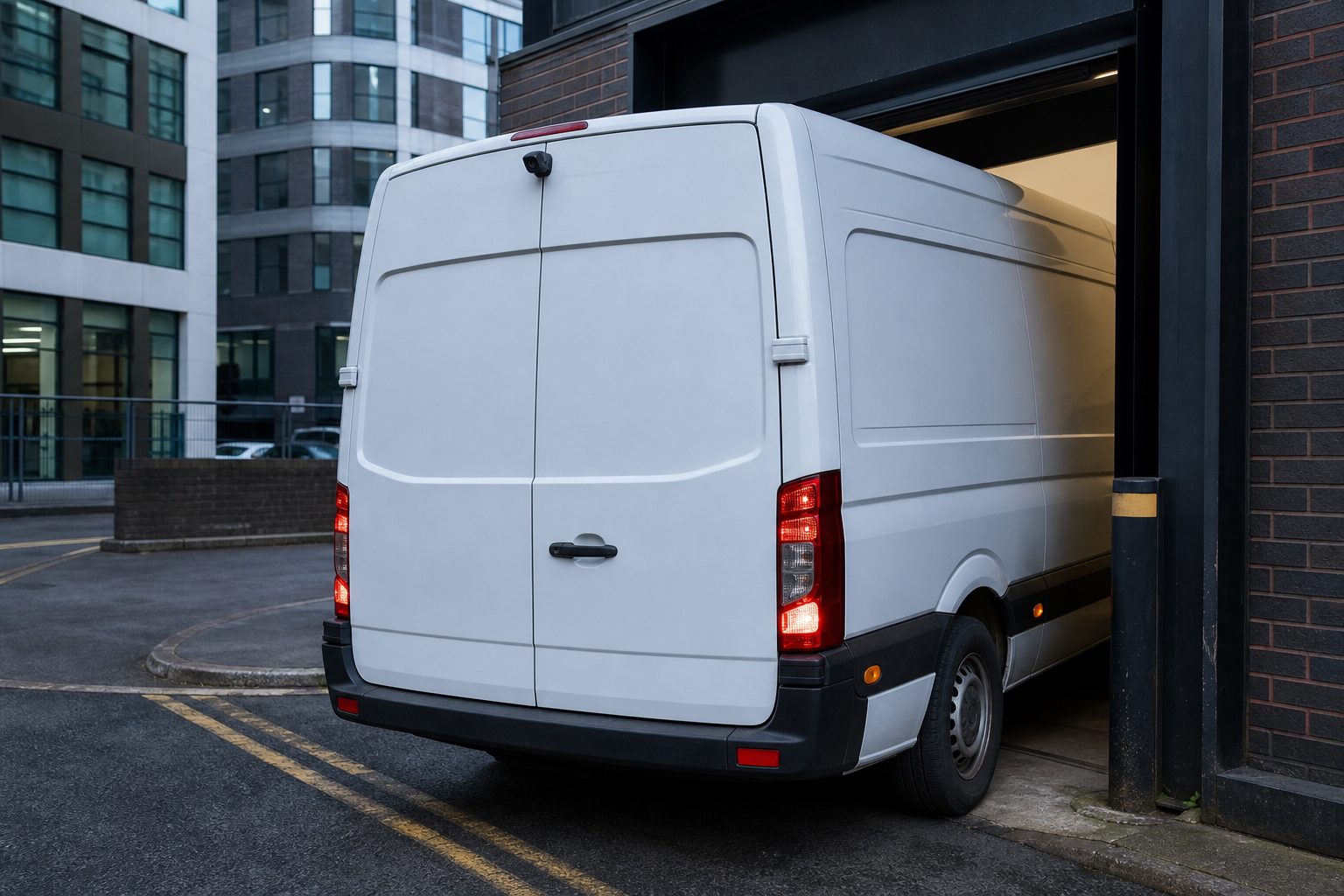
The case for cameras in delivery fleets is almost always made on safety and insurance grounds. The operational efficiency case is less often made, and it is equally compelling. A multi-drop delivery vehicle generating 60 stops per shift and a 3% dispute rate produces 1.8 disputes per vehicle per day — each of which requires […]
Monday to Friday:
8.30am-5.30pm