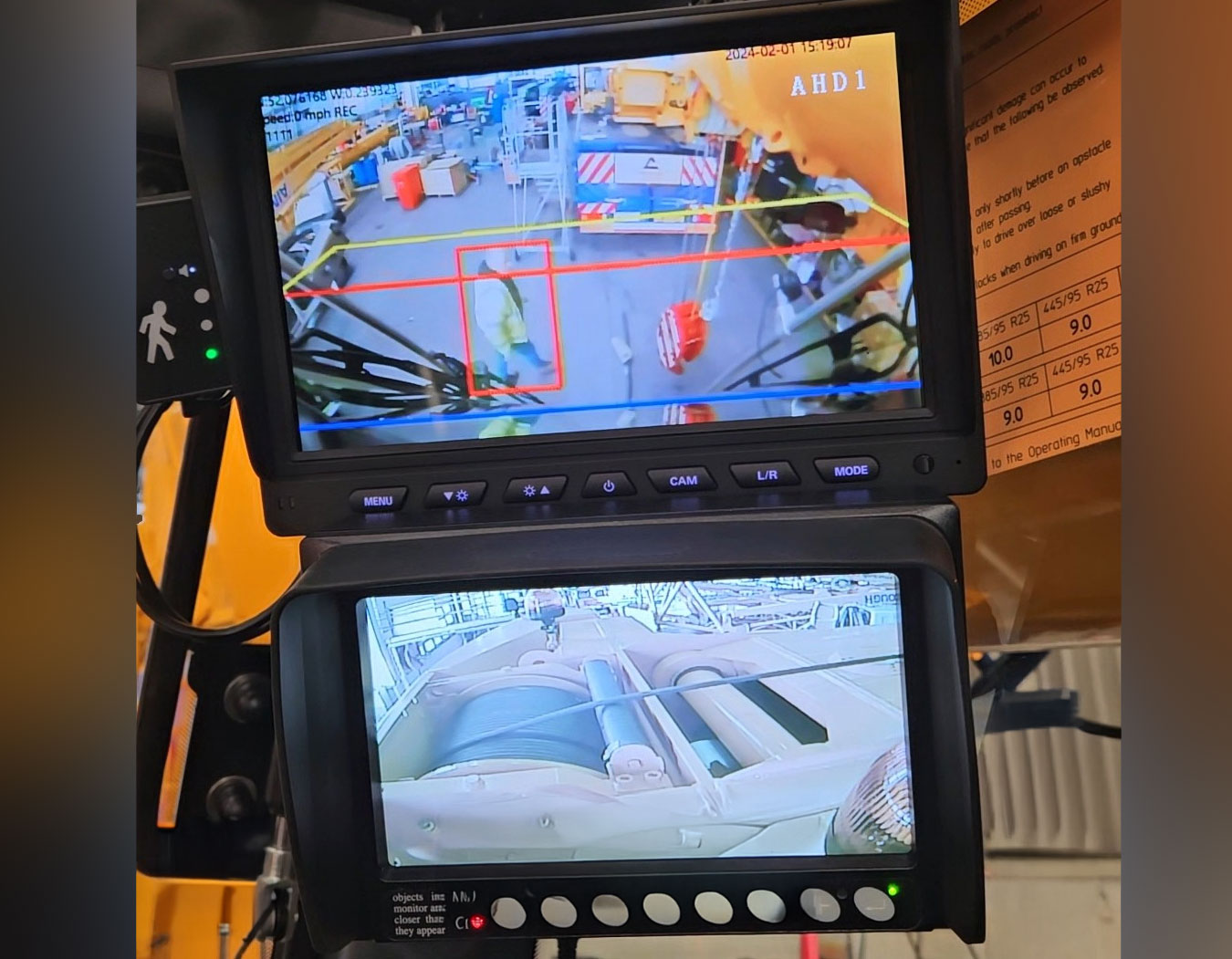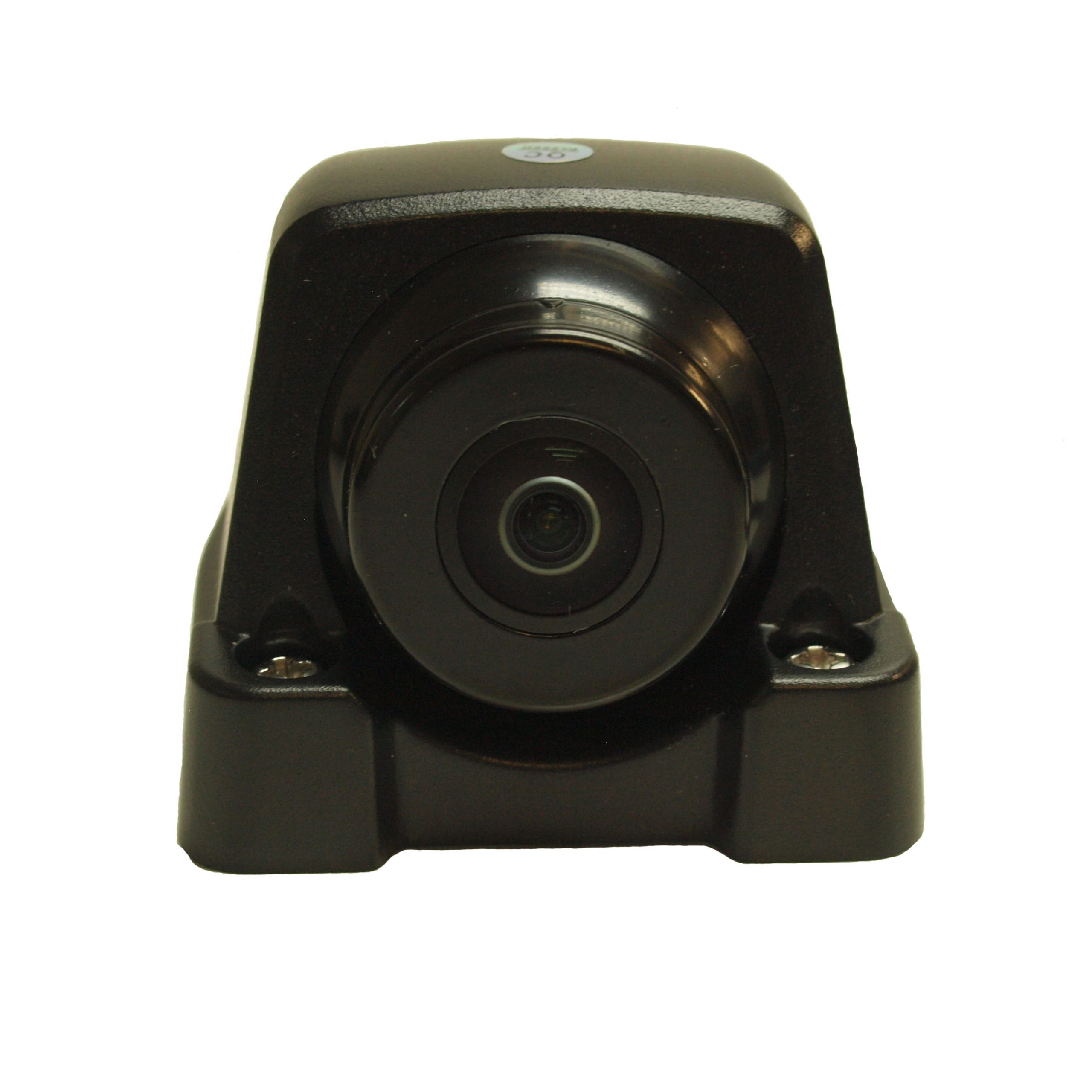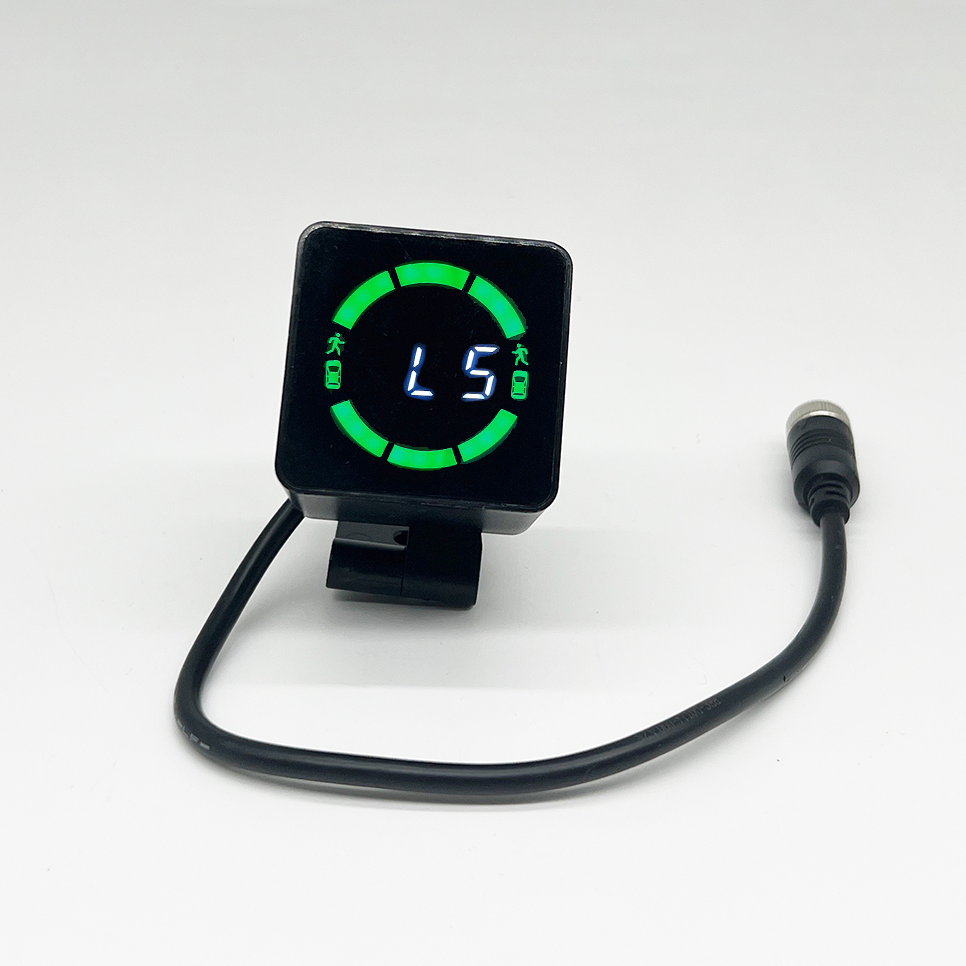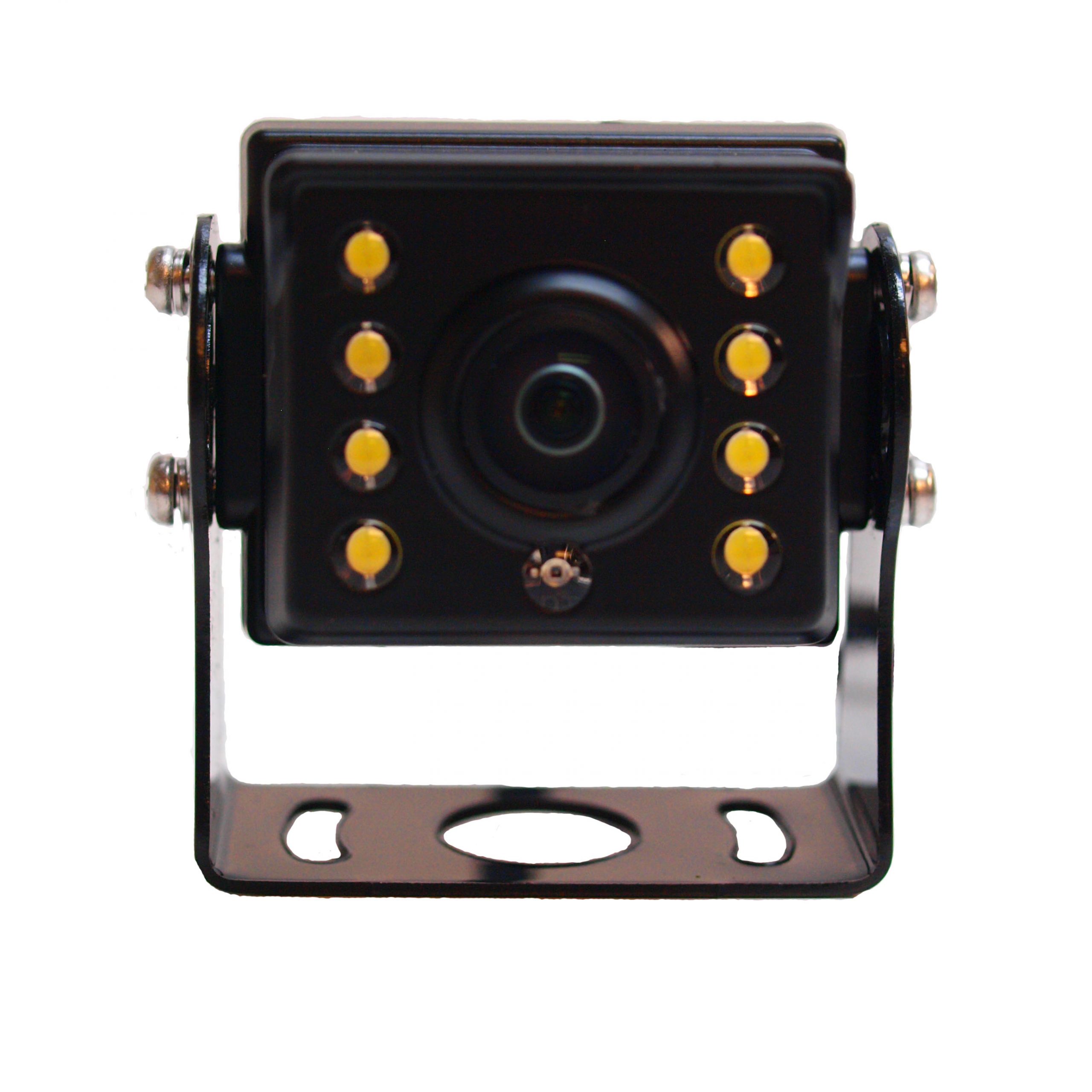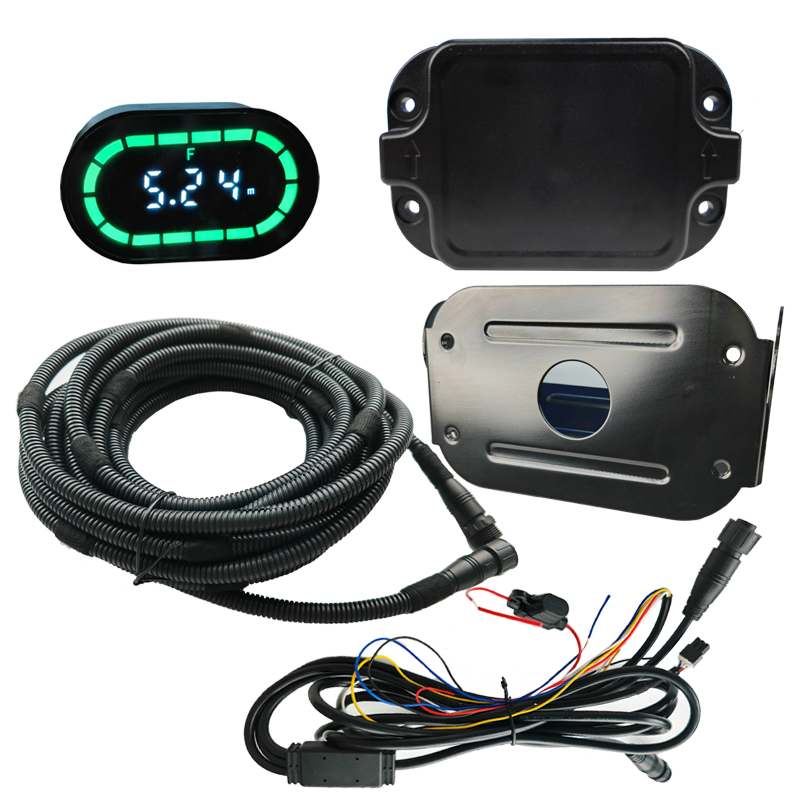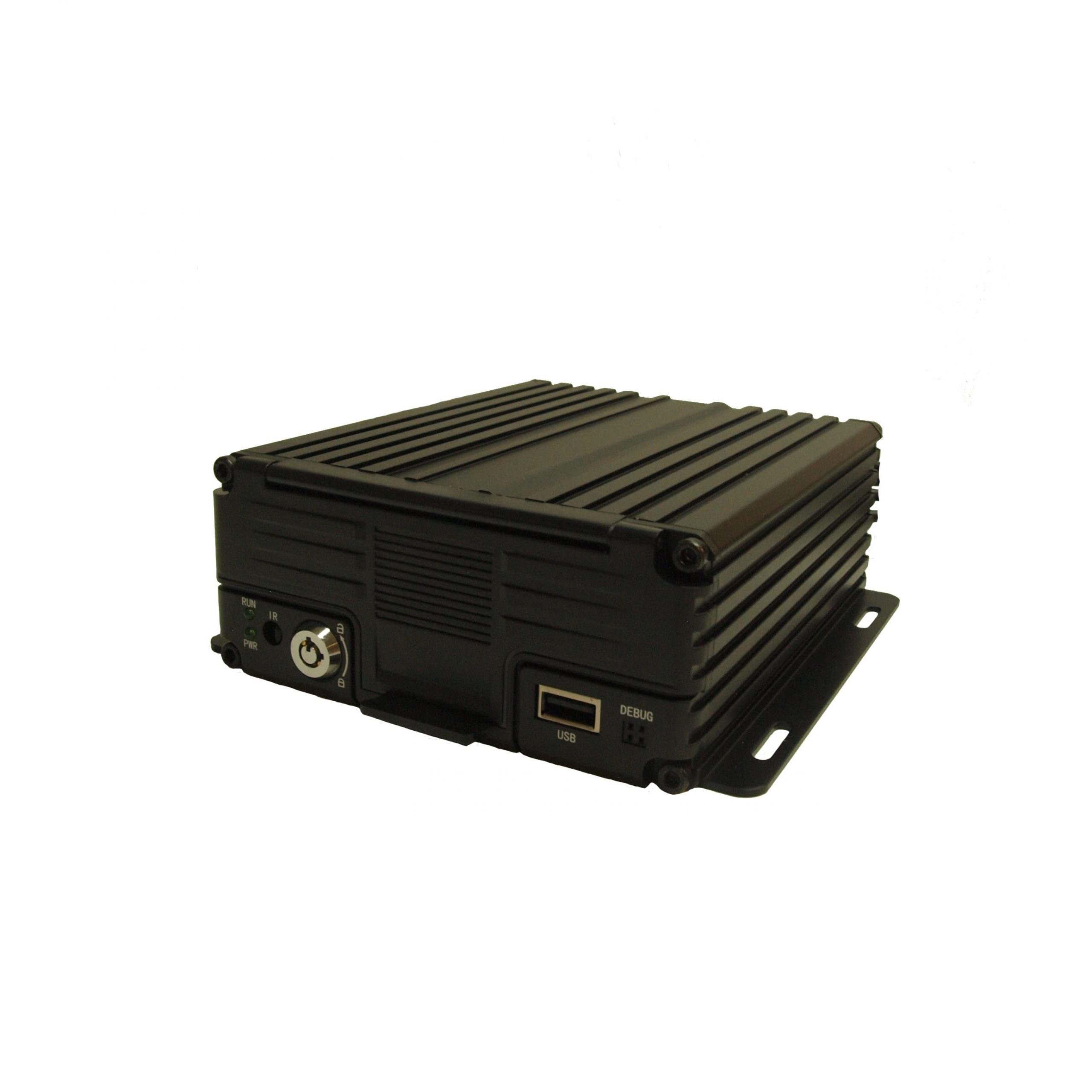
An AI camera distinguishes pedestrians from bollards, identifies a driver’s head position to detect distraction, and raises an alert when a phone is in the driver’s hand. A standard camera captures what’s in front of the lens; an AI camera classifies what’s there and acts on the classification. For fleet safety programmes that have moved beyond compliance into active behaviour and risk management, AI is the technology that makes the camera system useful for prevention rather than just for evidence.
Backwatch supplies AI cameras for the principal use cases UK fleet operators run: AI-based DVS PSS (MOIS pedestrian detection), driver monitoring (DSM) for fatigue and distraction, AI-classified blind-spot detection, and AI fleet safety scoring. Each AI capability has different deployment characteristics — the right system depends on the use case, not a one-size-fits-all “AI camera”.
“AI camera” covers four distinct capabilities, each addressing a different fleet safety need:
| Use case | AI capability | Hardware | Best for |
|---|---|---|---|
| DVS PSS MOIS | Pedestrian detection ahead of vehicle | BWMOIS, BWAI, BWFR77GHZ | London-operating HGVs |
| Driver monitoring (DSM) | Fatigue, distraction, phone, seatbelt | BWAI driver-facing | Fatigue-risk operations (refuse, gritters, long-haul) |
| AI VRU classification | Pedestrian/cyclist/vehicle distinction | BWAI external | High-VRU-density routes |
| AI fleet scoring | Aggregated event scoring | All AI components + portal | FORS Gold, council fleets, claims-active operators |
BWMOIS or BWAI front pedestrian detection for DVS PSS compliance + driver-facing DSM for FORS Gold programmes that include behaviour management. The AI events feed the portal’s fleet scoring; drivers with elevated event rates are surfaced for coaching.
Driver monitoring is particularly relevant for refuse fleets — early-morning starts, repetitive routes, and driver fatigue patterns that AI fatigue detection can identify before they cause an incident. AI front pedestrian detection (MOIS) for London RCVs.
Driver monitoring for fatigue is the principal AI use case — long shifts, repetitive driving, and the documented correlation between driver fatigue and serious collisions. AI fatigue detection generates an in-cab alert at the first signs (eye closure frequency, head position drift) before the driver loses situational awareness.
AI MOIS for DVS PSS compliance + driver monitoring for fatigue. PSV operators with longer-distance touring or scheduled service routes benefit particularly from AI fatigue detection given the consequence of a coach driver micro-sleep.
Driver monitoring for night-shift gritter operations and early-morning refuse rounds. AI VRU classification for vehicles operating in high-pedestrian-density routes. AI fleet scoring for fleet manager risk management programmes.
AI VRU detection (workers in dynamic positions around dump trucks and loading shovels) supplements radar-based proximity sensing. Driver monitoring less commonly deployed but increasingly considered for high-shift-pattern operations.
| Capability | Standard camera | Standard sensor | AI camera |
|---|---|---|---|
| Records footage (with MDVR) | ✓ | — | ✓ |
| Detects objects | — (visual only) | ✓ (any object) | ✓ (classified) |
| Identifies pedestrians specifically | — | — | ✓ |
| Identifies driver state | — | — | ✓ |
| Generates classified alerts | — | Generic | Specific |
| Real-time intervention | — | — | ✓ (with DSM) |
| Aggregated event scoring | — | Limited | ✓ |
| Cost | Lowest | Mid | Highest |
| Best for | Evidence retention | Compliance detection | Prevention + behaviour |
Driver monitoring systems are an active intervention, not just a recording. Three implementation considerations:
AI fleet scoring aggregates event data per driver and per vehicle to produce risk scores. What it tells you:
What it doesn’t tell you:
“Smart features” on standard cameras typically means motion detection, scheduled recording, or simple object detection — algorithmic features that don’t require AI training. AI cameras use machine learning models trained on specific tasks: pedestrian recognition, driver fatigue patterns, vehicle classification. The training is what allows AI cameras to distinguish a pedestrian from a bollard, or fatigue from natural blink patterns. The processing is heavier (typically requires a dedicated AI chip in the camera or in a connected processor), and the cost is higher — but the alerts are more meaningful.
Yes, where the use is disclosed in advance. UK employment law requires that monitoring systems used for disciplinary purposes be disclosed to employees as a possible use of the footage. This disclosure should be in the employment contract or a separate CCTV policy provided at onboarding. Using AI camera footage for disciplinary purposes that wasn’t disclosed creates employment tribunal and data protection exposure. Most fleet operators run AI camera programmes with disclosure of both coaching and disciplinary use; the practical default is coaching, with disciplinary use reserved for serious or repeated violations.
An AI MOIS camera uses computer vision to identify pedestrians specifically — it can distinguish a pedestrian from a bollard, a road sign, or a parked vehicle. Radar-based MOIS detects any object in the zone but doesn’t classify it. Both meet UNECE Regulation 159, but the alert quality differs. AI MOIS generates fewer false-positive alerts because it’s not triggered by non-pedestrian objects in the detection zone. Radar MOIS can be supplemented with AI processing (the BWFR77GHZ approach) to combine the strengths.
Modern DSM cameras include infrared illumination that lets the AI processor detect facial features in darkness without producing visible light that would distract the driver. Performance in genuine darkness is comparable to daylight performance — the AI model is trained on infrared as well as visible-light input. Standard daytime cameras without IR illumination produce poor DSM results in darkness; specify IR-capable DSM cameras for fleets running shift work, night gritting, or refuse rounds.
Accuracy depends on the breadth of the data and the tuning of the thresholds. With 4+ weeks of operational data and per-fleet tuning, the scores correlate well with claims data and with subjective fleet manager assessments of driver risk. With insufficient data or default thresholds, the scores produce noise — drivers scored as high-risk for routine driving patterns. The scoring is a tool that supports judgement, not a replacement for it. Drivers identified as high-risk should be assessed individually; scores alone aren’t grounds for decisions.
Some existing installations support AI processor upgrades (the camera stays, an AI processor is added that analyses the existing camera feed). Other installations require camera replacement because the existing camera doesn’t have the resolution or sensor specification needed for reliable AI processing. Backwatch can audit existing installations and identify upgrade pathways during the site survey. Most older installations require partial replacement; full AI capability typically needs camera + processor specification together.
AI models produce false positives (alerting when there’s no pedestrian) and false negatives (missing a pedestrian who is present). Modern AI MOIS systems achieve false-negative rates below 1% in trained scenarios; false-positive rates depend on the detection zone configuration. The system is designed to err toward false positives — better to alert when there’s no risk than to miss a genuine pedestrian. False positives are managed through threshold tuning and operator coaching; false negatives, where they occur, indicate the model needs additional training data for the specific environment.
Tell us what vehicles you run and what you need — we will come back with a recommendation and a price. Prefer to talk? Call 01656 721871.
17 July 2026
Monday to Friday:
8.30am-5.30pm