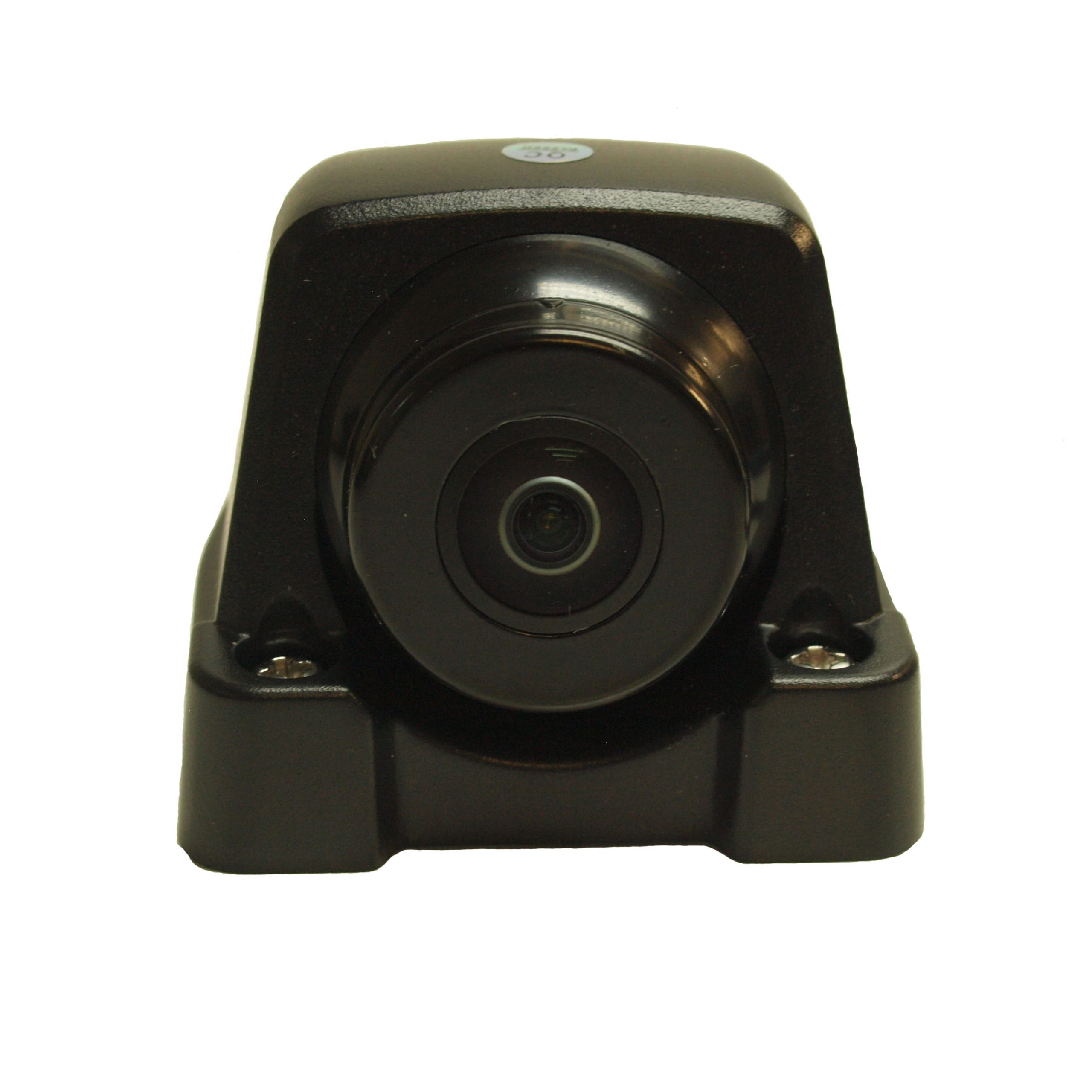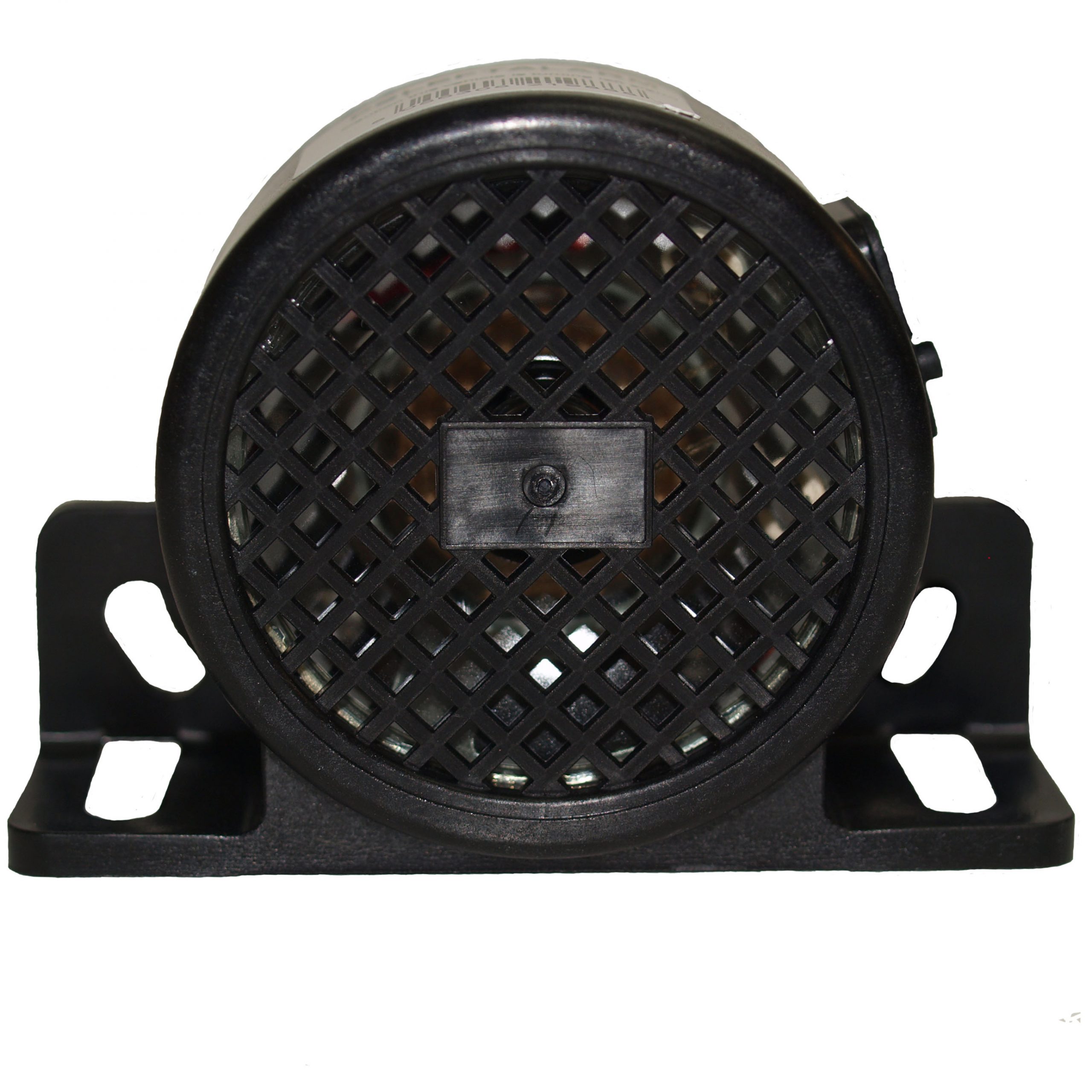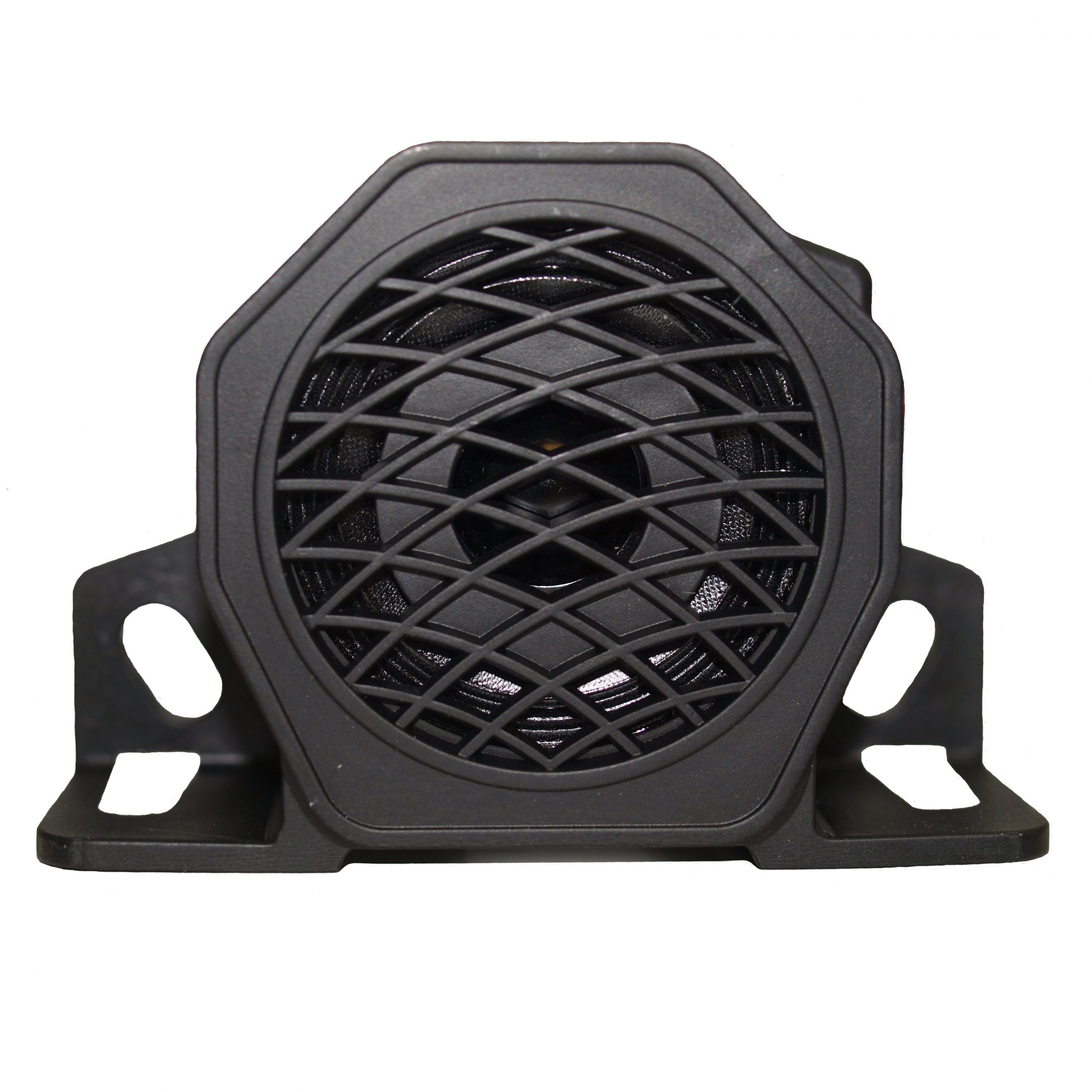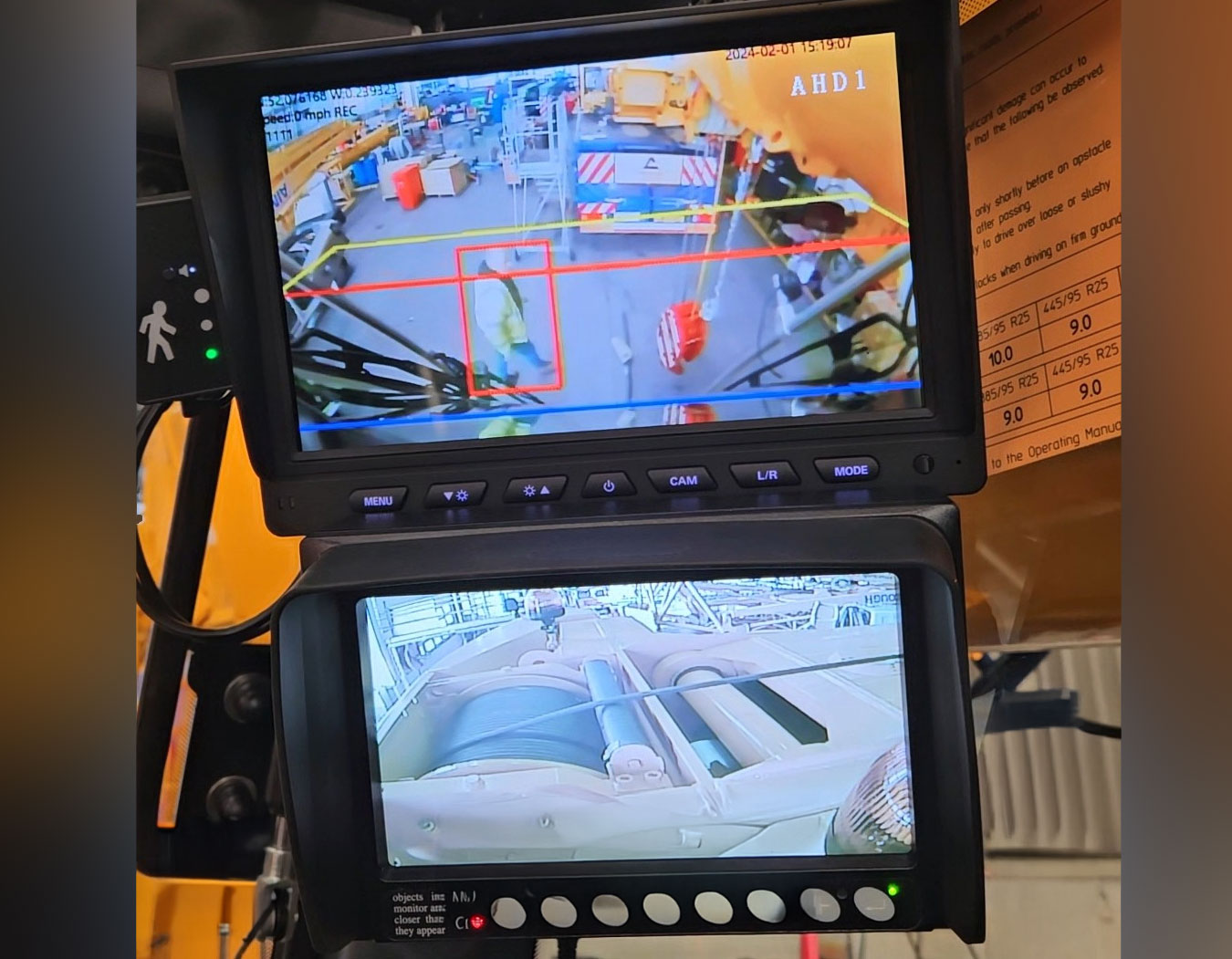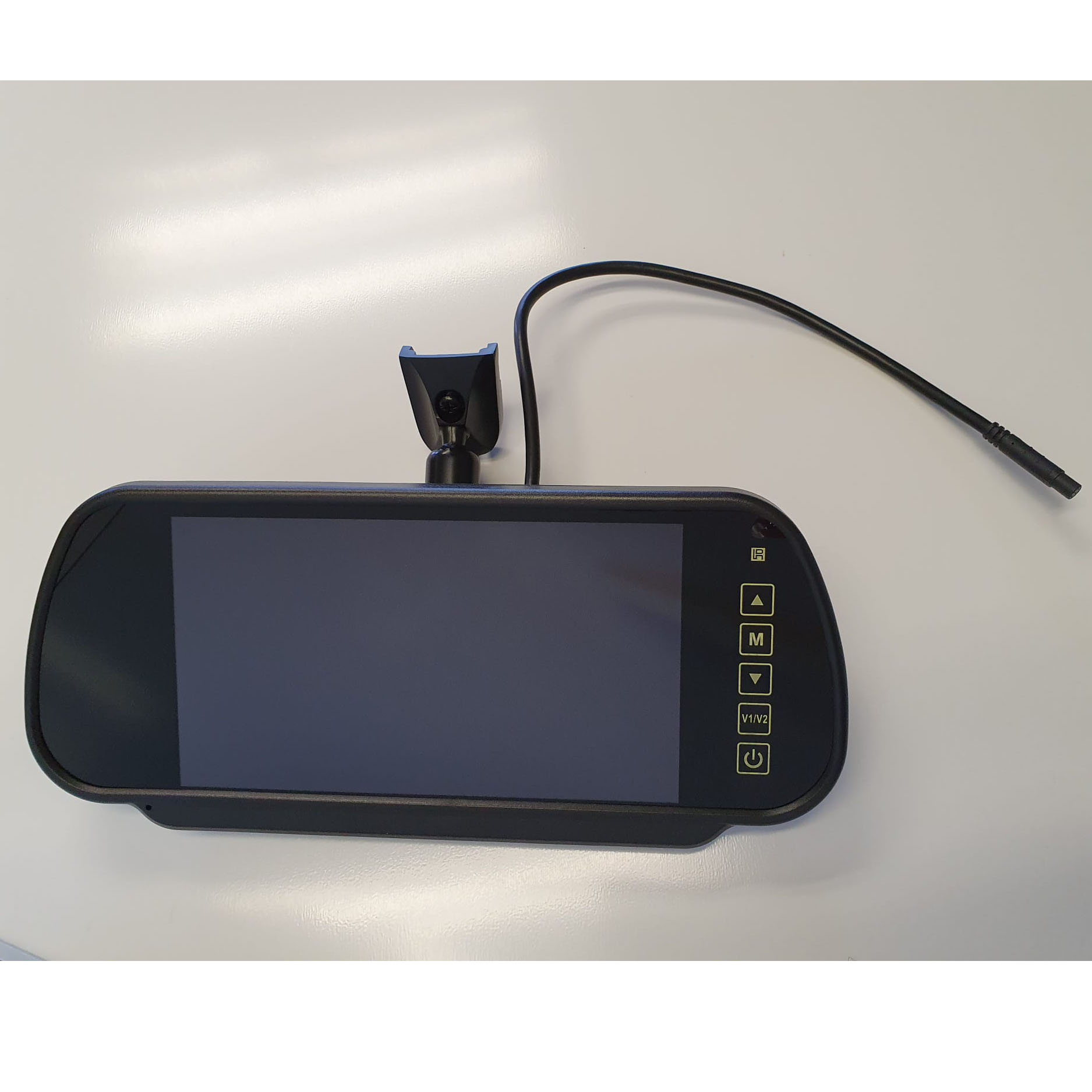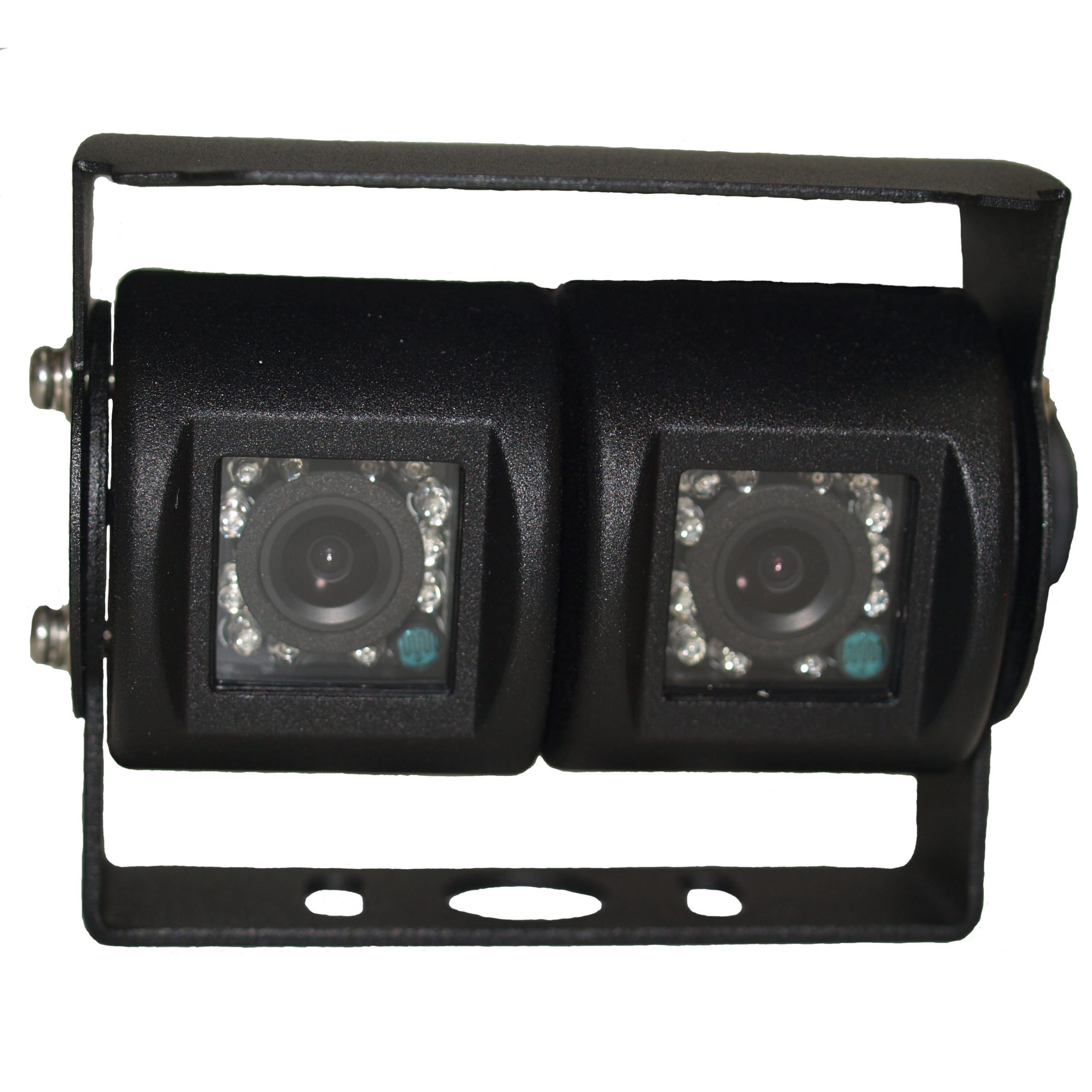
FORS accreditation is a contract condition for most major UK construction, infrastructure, and logistics projects — and the camera and sensor specification you fit determines which level you can hold. Bronze requires walkaround documentation only. Silver requires a nearside camera, 7-inch in-cab monitor, audible left-turn warning, and reversing alarm on every HGV, plus a rear camera on rigid vehicles over 7.5 tonnes. Gold uses the same vehicle specification as Silver — the difference is that Gold members must publish a case study. Cameras must meet a minimum 720 AHD resolution — Backwatch kits fit full 1080p HD — and be IP69K-rated with a wide viewing angle.
Backwatch supplies and installs camera and sensor systems specified for each FORS level — with the documentation FORS auditors examine, not just the hardware. Below is the kit specification by level, the products that go into each, and the on-site fitting process for fleets working toward Silver or Gold.
FORS Silver is the minimum vehicle standard required to satisfy CLOCS, the construction logistics safety scheme used by HS2, Crossrail, Thames Tideway, and most major London developments. Without FORS Silver, a fleet is excluded from the contract entirely. FORS Gold uses the same vehicle specification as Silver — the difference is that Gold members must publish a case study demonstrating their safety programme. For multi-year contract holders and councils with public accountability obligations, Gold demonstrates a mature commitment to the duty of care owed to vulnerable road users.
FORS Version 7 (effective January 2025) updated sensor positioning rules for articulated vehicles — sensors must not generate false alerts from trailer articulation. Fleet operators on pre-V7 sensor configurations should verify compliance during their next audit cycle.
| FORS Level | Camera | Sensor | Monitor | Audible Warning | Reversing Alarm | Walkaround Records |
|---|---|---|---|---|---|---|
| Bronze | Optional | Optional | Optional | Optional | Optional | Required |
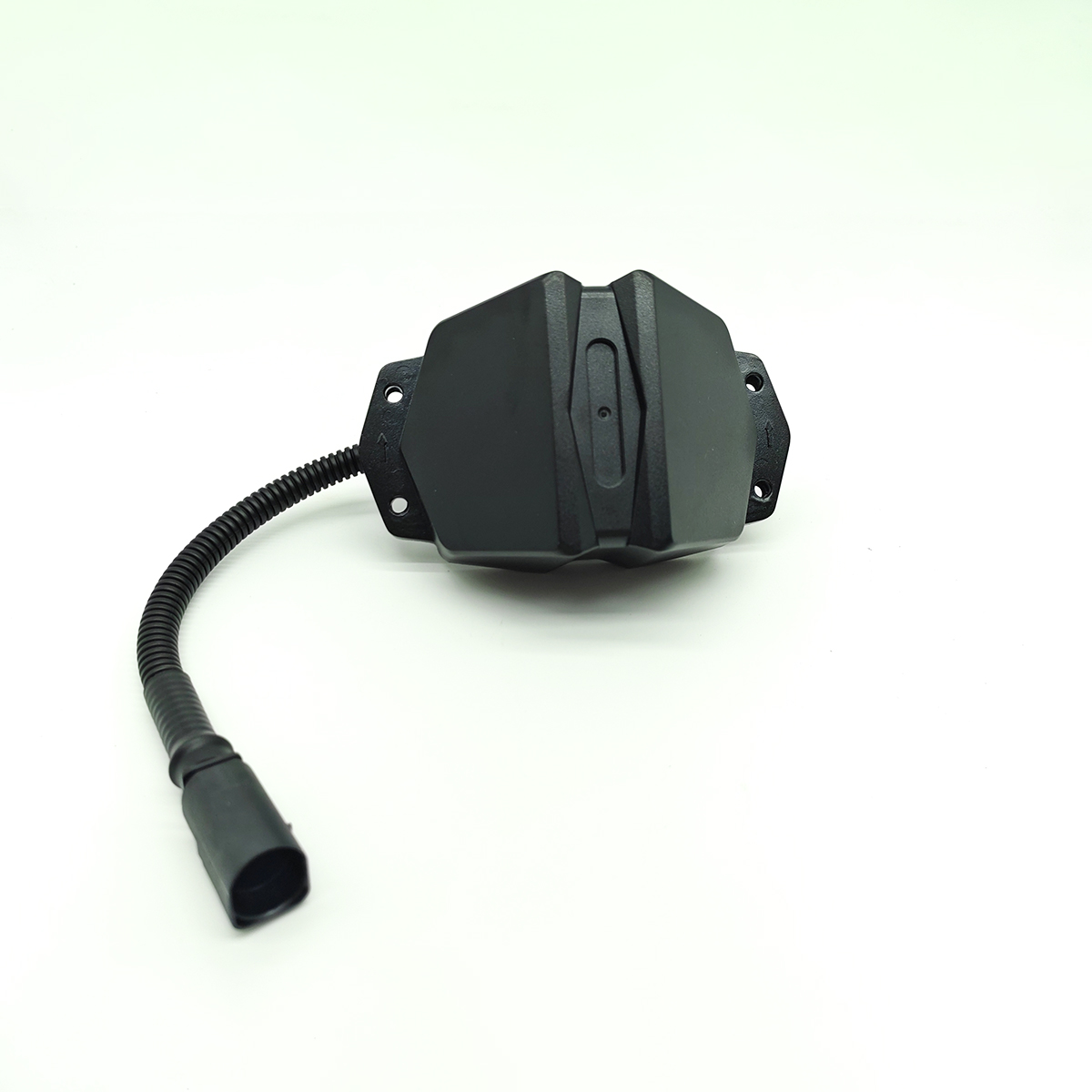
| Silver | Side camera mandatory on all HGVs; rear camera on rigids over 7.5T (not artics) | BSIS-type mandatory | 7-inch minimum | Left-turn warning mandatory | Mandatory | Required |
| Gold | Same as Silver — no additional camera spec | BSIS-type mandatory | 7-inch minimum | Left-turn warning mandatory | Mandatory | Required + published case study |
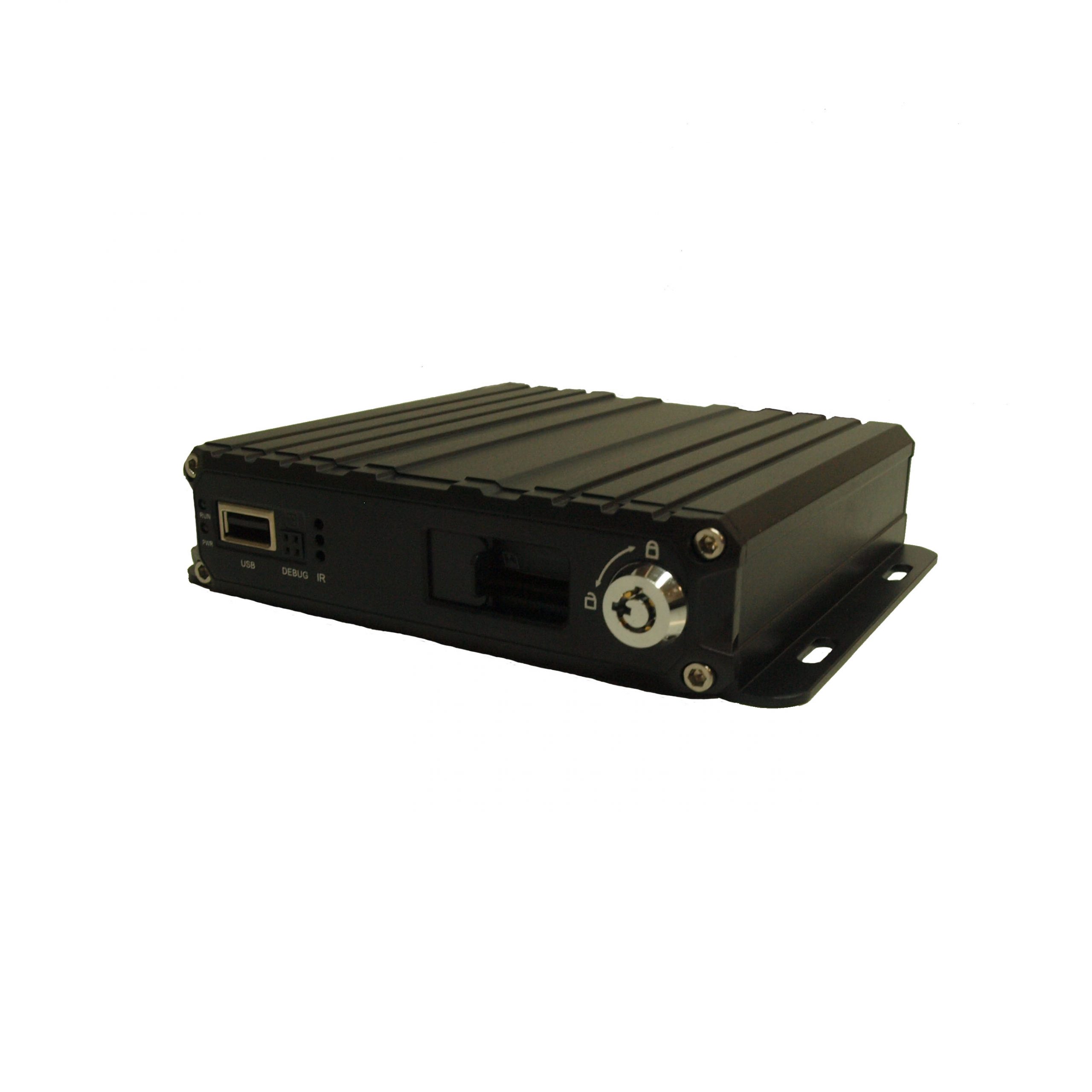
Optional add-ons for Silver: BWMS585E MDVR for evidence retention; cellular connectivity for live view portal access.
FORS Gold is not a different equipment specification — it is the same specification as Silver; the difference is that Gold members must publish a case study. Backwatch fleet retrofitting programmes typically install kits across multi-vehicle fleets in 11–14 weeks for a 50-vehicle programme, with the documentation supplied in the format FORS auditors examine.
Optional additions many Gold fleets choose:
FORS audits assess documented evidence, not just hardware. The records that auditors review:
Backwatch installations include a complete installation record set per vehicle — formatted for FORS auditor review. Daily check records remain the operator’s responsibility, but the underlying installation and maintenance documentation is supplied.
FORS applies to all vehicles over 3.5 tonnes nationally. The kit specification varies by vehicle type:
Largely but not completely. FORS Silver requires a side camera plus a BSIS-type sensor on all HGVs, and a rear camera on rigid vehicles over 7.5 tonnes, which overlaps with the CMS and BSIS components of DVS PSS. However, DVS PSS additionally requires MOIS (front AI pedestrian detection), which is not in the FORS Silver specification. A vehicle holding FORS Silver still requires MOIS fitment to obtain a valid HGV Safety Permit for London operations. Most fleets running London routes specify a combined DVS PSS + FORS Silver kit at installation.
FORS Silver applies the camera, sensor, monitor, and audible warning specification to qualifying vehicles operating on contracts that require Silver. FORS Gold uses the same equipment specification as Silver — the difference is that Gold members must publish a case study demonstrating their safety programme. There is no additional camera or sensor requirement at Gold level.
For a typical 30-50 vehicle fleet, full retrofit to FORS Gold specification takes 11–14 weeks from initial site survey to all vehicles complete. Larger fleets (100+ vehicles) are typically scheduled in three or four parallel installation streams to compress the timeline. The schedule is built around the operator’s vehicle availability — vehicles are typically released to installation overnight or on rest days to avoid operational disruption.
Each installation includes: a vehicle-level installation record identifying the specific cameras, sensors, MDVR, monitor, and audible warning systems installed; the commissioning test results confirming all systems are functional at handover; the FORS compliance mapping showing which Silver or Gold requirements each component satisfies; and a fleet-level compliance register listing all vehicles in the programme with their accreditation status. These records are in the format FORS auditors examine — operators do not need to reformat them.
FORS V7 introduced updated sensor positioning rules specifically for articulated vehicles — sensors must not falsely activate from trailer articulation. If your fleet uses sensors on articulated configurations that were installed pre-V7, those installations should be reviewed against the updated standard during your next audit cycle. Rigid vehicles and non-articulated configurations are not directly affected by the V7 sensor changes. Backwatch can assess your current installations against V7 and provide a compliance report identifying any vehicles that require sensor reposition.
The per-vehicle kit cost for FORS Silver and Gold is the same — the same components are installed on each vehicle. The difference between Silver and Gold is not equipment — Gold members must publish a case study. Older vehicles being brought up to Gold typically have higher installation labour (additional time required to route cabling through cab structures that have no existing conduit), but the equipment cost itself is consistent across vehicle ages.
The Backwatch portal provides system health monitoring and footage retrieval — it complements but does not replace the operator’s own daily walkaround check records. FORS audits examine the operator’s check records (typically paper or in-app daily logs), not the supplier’s portal. The portal data does corroborate that systems were functioning on specific dates: if a walkaround record shows cameras checked-and-good, the portal’s system health log for that vehicle on that date supports the record. The two sets of evidence are mutually reinforcing.
Tell us what vehicles you run and what you need — we will come back with a recommendation and a price. Prefer to talk? Call 01656 721871.
17 July 2026
Monday to Friday:
8.30am-5.30pm