Lightbars, beacons, and specialist construction equipment cover the products that don’t fit into the camera, sensor, or alarm categories — the visible safety markers, the construction-site specialist warnings, and the trailer-specific connectors that fleet vehicles need alongside their core safety systems. They’re often the products that get overlooked at compliance audit but that contribute directly to the visible safety profile of a fleet vehicle on the road or on site.
Backwatch supplies LED lightbars, beacons, worklamps, and specialist construction equipment including the BWOHCD overhead cable detection system and Susie connectors for trailer integration.
Three drivers determine what specialist equipment a fleet needs:
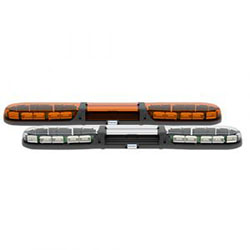
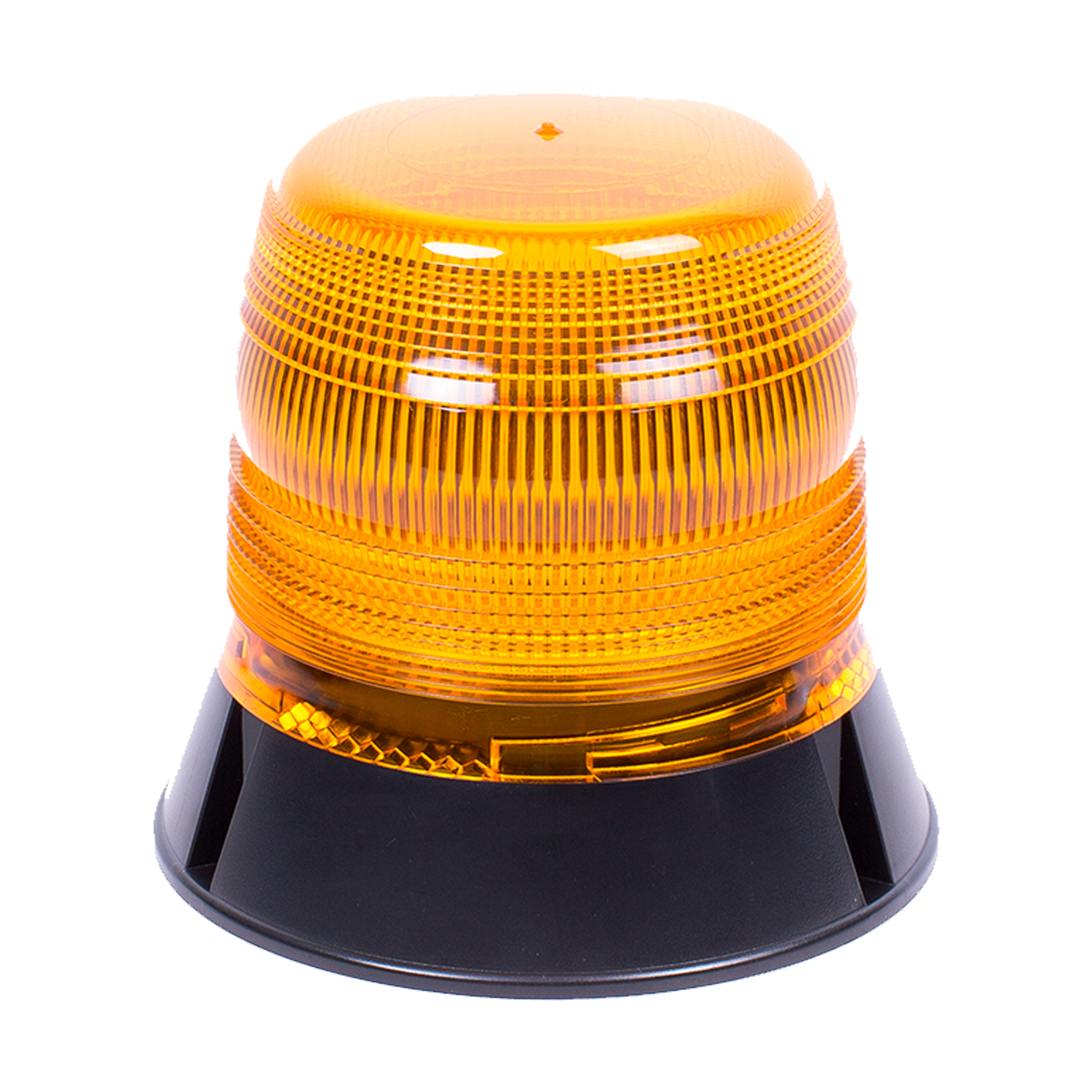
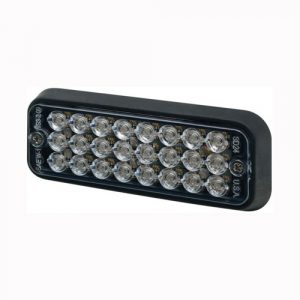
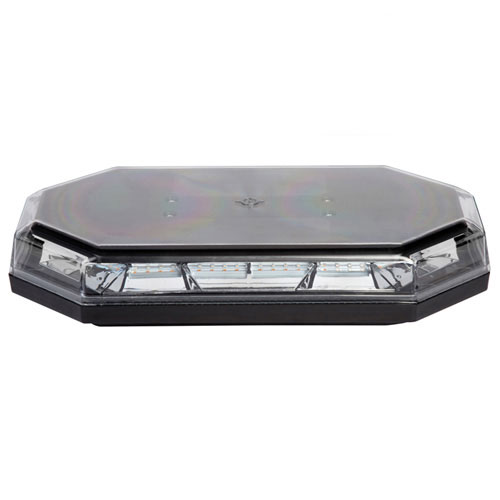
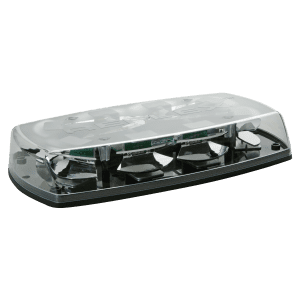
For fleet visibility on construction sites, recovery operations, and council emergency response. The Backwatch range includes:
| Product | Type | Application |
|---|---|---|
| 13-0000-04E | Multi-LED lightbar | Sustained visibility |
| 1556AC | Compact lightbar | Restricted-clearance vehicles |
| BW5565 | Low-profile LED light bar | Vans and smaller commercial vehicles |
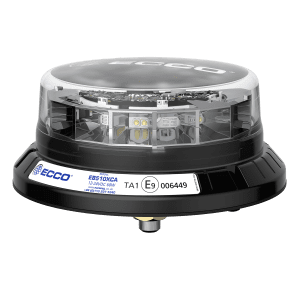
| 5L3.204 | Single LED beacon | Single-point amber warning |
| BWEB5100 | Low-profile LED beacon, 360° flash | All-round amber or clear warning |
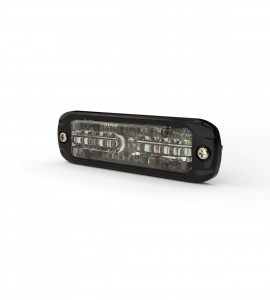
| BWED3801 | Flush-mounted amber LED strobe | Discreet high-intensity warning |
| 3510A | Compact amber LED strobe | Directional warning, usually fitted in pairs |
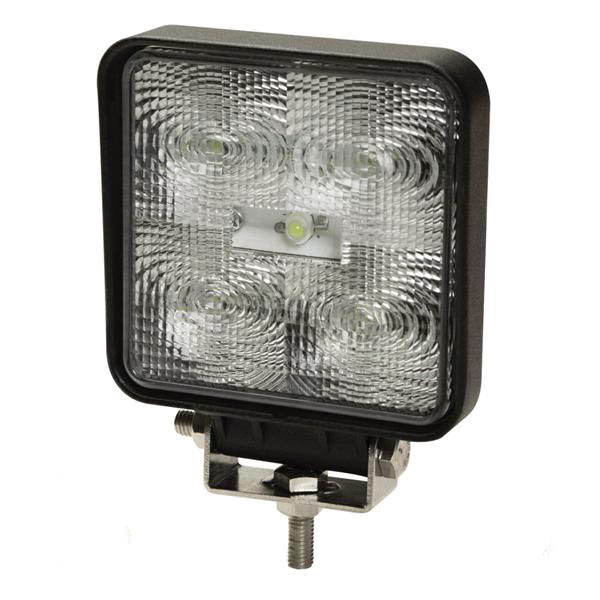
| 920007E | LED worklamp | Directional working illumination |
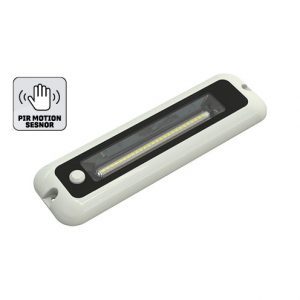
| BW415PIR | PIR interior LED light | Load-area illumination |
Most construction sites require amber beacons on vehicles operating in the work zone — the requirement comes from the site’s traffic management plan, not from a national regulation. Beacons make vehicles visible to workers on foot in the dynamic site environment. Specifications vary by site (some require dedicated lightbars, some accept rotating beacons); confirm the requirement with the principal contractor before specifying. For council operations on the public highway, beacons are typically required for highway maintenance vehicles, gritters, and any vehicle that may operate stationary on a live carriageway.
A lightbar is typically a multi-LED unit covering a wider area with sustained or pulsed illumination — used for high-visibility applications (recovery vehicles, construction site identification). A beacon is typically a single rotating or strobing light for amber warning purposes. Both serve visibility purposes; lightbars are higher-spec and more visible, beacons are more cost-effective for simpler warning needs. Many vehicles fit both: lightbar for primary visibility, individual beacons at specific positions for additional coverage.
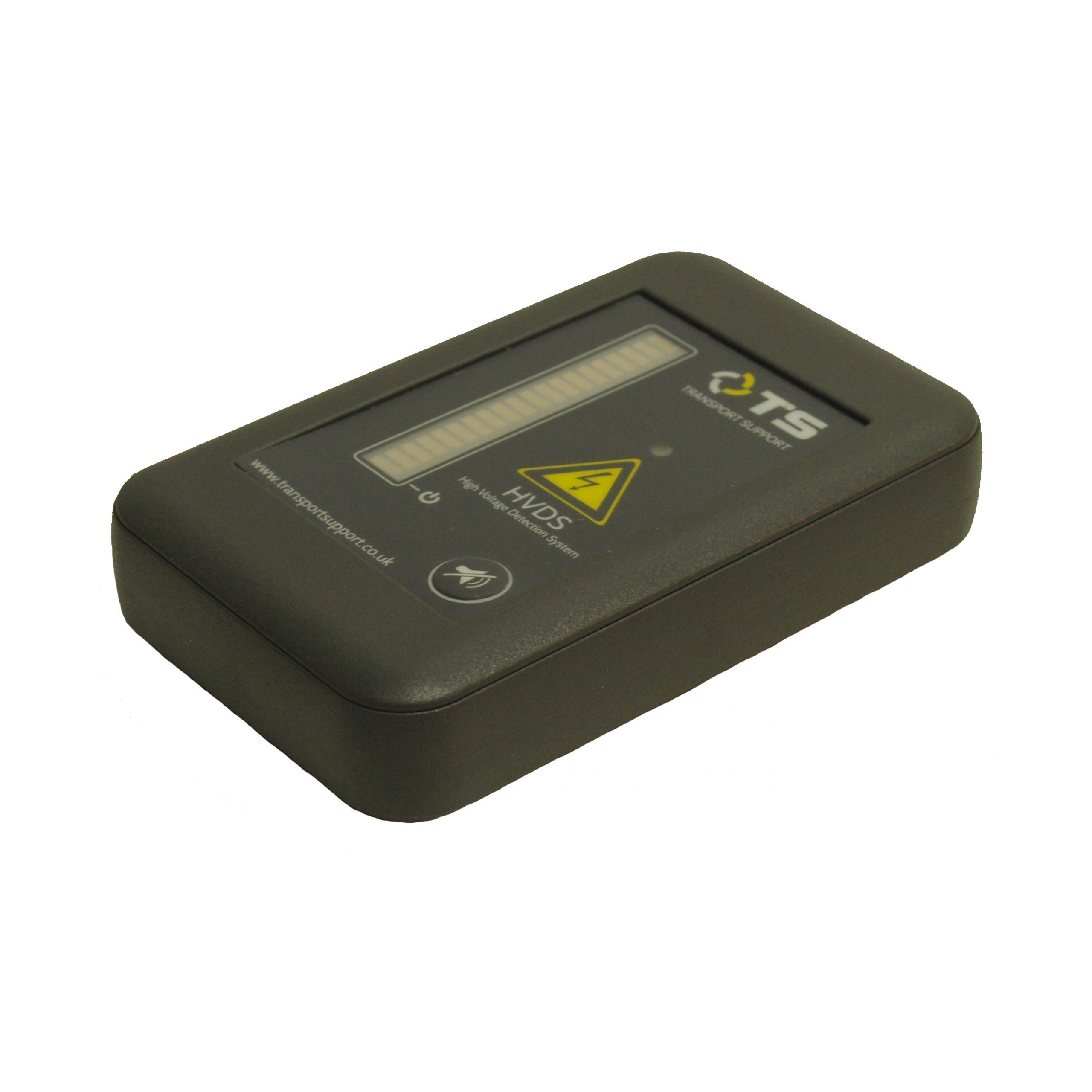
BWOHCD is recommended for vehicles operating in environments where overhead cable strikes are a known risk: rural construction sites with overhead power lines, agricultural environments with overhead farm power infrastructure, and certain roadworks where overhead cabling is present. Cable strikes are a documented cause of vehicle damage and worker injury; the detection system alerts the driver before contact rather than after. The BWOHCD is particularly relevant for vehicles with elevating bodies (tippers, crane vehicles, aerial platforms).
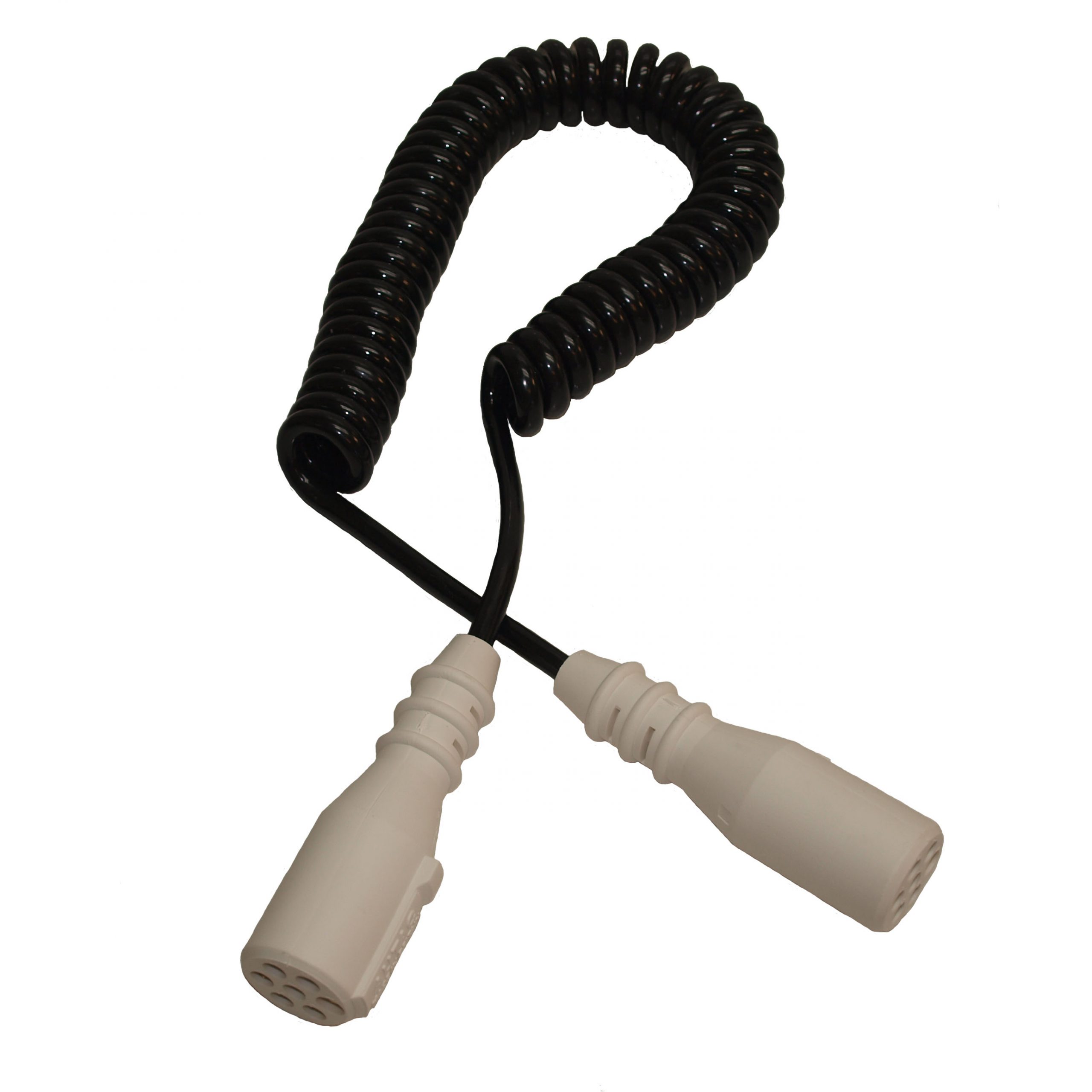
The Susie connector is the standard pneumatic and electrical coupling between an articulated tractor and trailer — it carries air pressure for trailer brakes and electrical signal for trailer lights and (where fitted) trailer camera systems. Every articulated UK HGV uses Susie connectors as a matter of standard equipment; you don’t choose to “have one” so much as you ensure the existing connector is in good condition. Backwatch supplies replacement Susie connectors integrated with trailer camera power pass-through for fleets specifying complete trailer camera systems.
For worklamps fitted on vehicles that are pressure-washed (refuse, construction, agricultural), IP69K rating is the appropriate specification. For workshop or depot worklamps that aren’t pressure-washed, IP66 or IP67 may be sufficient. Backwatch supplies vehicle-mounted worklamps to IP69K standard as a baseline; lower-rated alternatives are available for specific applications where the higher rating isn’t justified.
Yes. Lightbars, beacons, and worklamps are independent of camera and sensor systems — they don’t share wiring, power circuits, or trigger logic with cameras. Retrofitting cameras to a vehicle that already has lighting installed is straightforward; the cameras and existing lights coexist without modification. Backwatch installation engineers verify existing lighting during the site survey but typically don’t need to interact with it.
No major fleet compliance framework (DVS PSS, FORS, CLOCS) directly mandates lightbar or beacon fitment — these are operational specifications rather than statutory or accreditation requirements. Site-specific requirements (construction site traffic management plans, council operational policies) sometimes do mandate specific lighting; the requirement is local rather than national. The exception is the BWOHCD-equivalent specifications on certain construction sites where overhead cable hazards have been formally risk-assessed.
Tell us what vehicles you run and what you need — we will come back with a recommendation and a price. Prefer to talk? Call 01656 721871.
17 July 2026
Monday to Friday:
8.30am-5.30pm