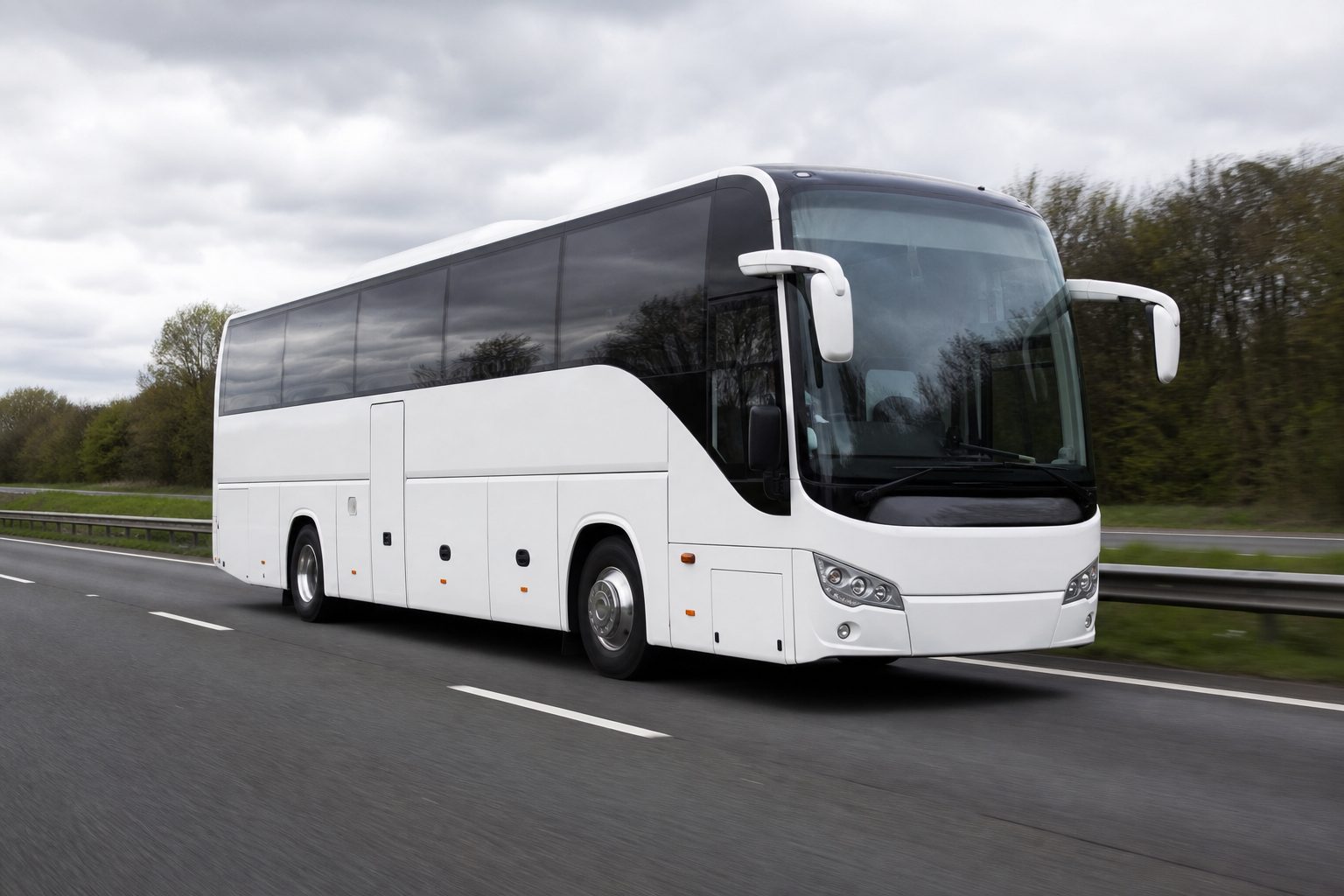
A long-distance coach operator running a vehicle from London to Edinburgh cannot phone the driver to check on a passenger welfare concern without creating a distraction event. Without live view, the options are to wait for the next scheduled stop or to radio ahead to the terminus and hope the situation resolves itself. With live view, a fleet manager or duty officer can access the interior saloon camera, assess the situation, and make an informed decision — without the driver knowing the camera has been accessed, and without creating any in-cab distraction at all.
This is the operational case for live view in coach operations — and it is distinct from the safety case that applies to local delivery or urban bus operations. For coach operators, live view resolves management problems that no other tool can address: remote welfare concerns, late-stage breakdown response, and real-time passenger situation assessment from a fixed office location. One caveat applies throughout: live view is an on-demand tool. A fleet operator cannot watch all cameras on all vehicles all the time — the mobile data cost of continuous streaming is prohibitive — so feeds are opened when a specific situation calls for it, then closed.
A passenger on a long-distance coach collapses, appears distressed, or becomes involved in a confrontation with another passenger. The driver may not be aware of the situation — they are watching the road; the bus is 15 metres long and the rear seats are not in their mirrors. A fellow passenger alerts the driver; the driver calls the depot.
With live view, the fleet manager accesses the interior saloon camera within seconds of the call. They can see the situation directly: is it a medical emergency requiring an immediate stop, or a less urgent situation that can be managed to the next scheduled halt? The driver gets a clear instruction — stop now, or continue to the next services — based on what the fleet manager can actually see, not based on a second-hand passenger account relayed through the driver.
This operational decision — stop now versus continue — has significant consequences for the other 50 passengers, the route schedule, and the operator’s costs. Accurate real-time information produces better decisions.
Long-distance coach driving is a high-fatigue risk operation. A driver six hours into a coach journey, in comfortable seat with regular road vibration and consistent speed, is operating in precisely the conditions associated with microsleep events. Tachograph compliance ensures rest periods are taken; it does not ensure the driver is alert in the hours before the mandatory rest.
Driver-facing cameras with AI drowsiness detection provide early warning alerts when the driver shows fatigue signatures — extended eye closure, head nods, forward lean. The alert is audible in-cab and, on live view systems, generates a notification to the fleet manager. A fleet manager who receives a drowsiness alert for a driver six hours into a long route can contact the driver and assess whether an unscheduled rest break is warranted.
This is not continuous monitoring — it is event-triggered welfare support. The fleet manager is not watching the driver throughout the journey; they are alerted when the AI system identifies a potential fatigue event and assesses whether a welfare response is appropriate.
A coach breaks down on a motorway. The driver activates hazard lights and calls the depot. The breakdown is reported. But where exactly is the vehicle? How many passengers are aboard and what is the situation in the saloon? Is there any safety concern that requires immediate police or ambulance response rather than just a recovery vehicle?
With live view and real-time GPS, the fleet manager has immediate answers to all of these questions without the driver needing to talk through them while managing a potentially stressful roadside situation. The fleet manager can assess the situation, arrange the appropriate response, and update the 50 passengers waiting for information through whatever communication channel the operator uses — without the driver being the information relay for the depot’s decision-making.
Coach operators running scheduled services face the same customer service challenge as rail operators: passengers who have booked a specific arrival time want to know if the coach is running late before they arrange onward transport. Real-time GPS tracking — visible in the fleet management portal — allows depot staff to answer customer enquiries with actual vehicle position rather than estimated schedules.
For private hire coach operators, live route progress enables the client’s event coordinator to know when the coach will arrive at the venue rather than relying on a check-in call to the driver at a point when the driver should be concentrating on the road. The information flows without driver intervention.
An incident is reported — a passenger alleges they were injured, a collision occurs, another driver reports the coach’s behaviour. The fleet manager needs to access footage before the coach returns to depot and before the relevant recordings are overwritten.
With a portal-connected MDVR, footage from the coach at the reported location — pinpointed using the built-in GPS tracking — is accessible within seconds, interior and exterior, without requiring the vehicle to divert or the driver to stop. The footage is preserved before it enters the rolling retention window. The passenger’s account is compared to the footage immediately, while the events are fresh and before any subsequent narrative construction has occurred.
Live access to interior camera feeds on coaches captures passengers who are identifiable and who have not individually consented to live monitoring. The lawful basis for this access is legitimate interests — passenger safety and operational management. Passengers must be made aware that CCTV is in operation — a clearly visible notice at the boarding point is the minimum — and that notice should make clear that camera footage may be accessed remotely by the operator, not only recorded and reviewed later.
Live access to driver-facing cameras is subject to employment law as well as GDPR. Drivers must be informed that live access is possible, the trigger conditions under which it will be used, and how footage accessed via live view is used. Routine live monitoring of driver-facing feeds without a specific welfare or safety trigger is harder to justify under proportionality than event-triggered access.
No — accessing a live feed via the fleet management portal does not produce any in-vehicle signal or notification. Neither passengers nor the driver can see when a live feed is being accessed. This is why passengers must be made aware that CCTV is in operation: the privacy notice on the vehicle is the passenger-facing indication that footage is recorded and may be accessed.
Standard-definition live view from a single camera consumes approximately 0.5–1 GB per hour. HD live view from a single camera consumes 1–2 GB per hour. On a long-distance coach journey of 6 hours, continuous live view of one camera would consume 3–12 GB. In practice, live feeds are accessed on demand rather than continuously streamed — watching every camera on every vehicle all the time is not realistic, because the mobile data cost would be prohibitive. On-demand access keeps consumption to a small fraction of the continuous figure.
Live view enables the fleet manager to assess a disruptive passenger situation from the depot and provide the driver with informed guidance on how to respond — whether to continue to the next stop, request police attendance, or stop immediately. The fleet manager cannot directly address the disruptive passenger through the system (coaches do not have a public address function accessible from the fleet portal). The value is in improving the quality of the decision made by the driver and depot staff, not in providing direct remote intervention.
Yes. UK GDPR and employment law both require that employees are informed of monitoring. Drivers should receive written notification that their vehicle is equipped with cameras including driver-facing cameras, that live access is possible, the specific trigger conditions for live access (welfare alert, incident report, route monitoring), and how footage accessed via live view is stored and used. This notification should be included in the driver’s employment contract or a separate monitoring policy that forms part of the employment terms.
Live view requires a 4G or 5G connection. In areas with poor coverage — some rural routes, tunnels, underground areas — live view is unavailable for the duration of the blackspot. The vehicle continues recording locally to the MDVR; live view resumes automatically when coverage is restored. For coach operations on routes with known extended coverage gaps, the fleet management team should be aware that live welfare checks are not possible in those segments.
Download this free checklist to apply the guidance in this article to your fleet.
Tell us what vehicles you run and what you need — we will come back with a recommendation and a price. Prefer to talk? Call 01656 721871.
Related guides: Best Camera Setup for Public Service Vehicles · Sensor Systems for Passenger Safety
4 August 2026
Monday to Friday:
8.30am-5.30pm