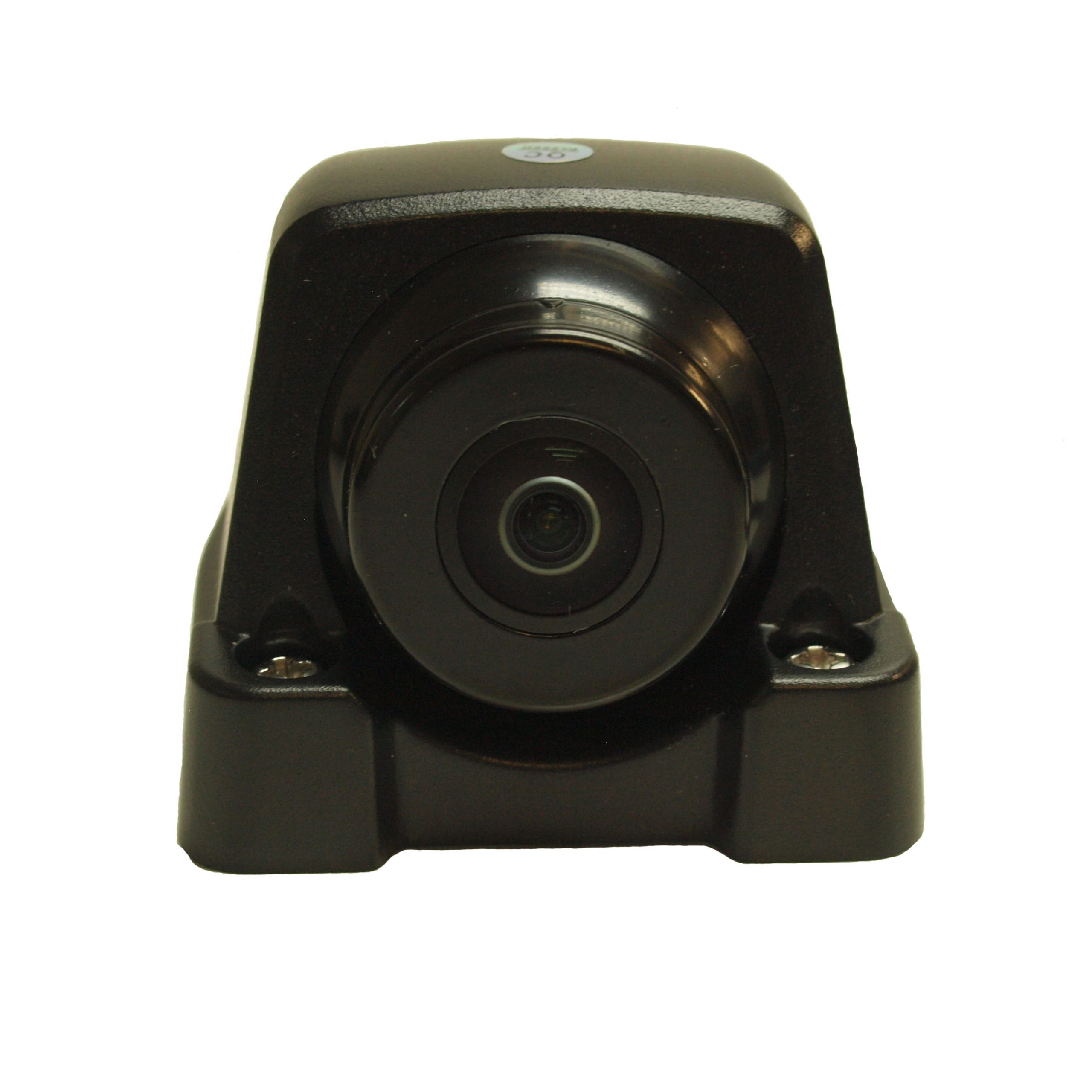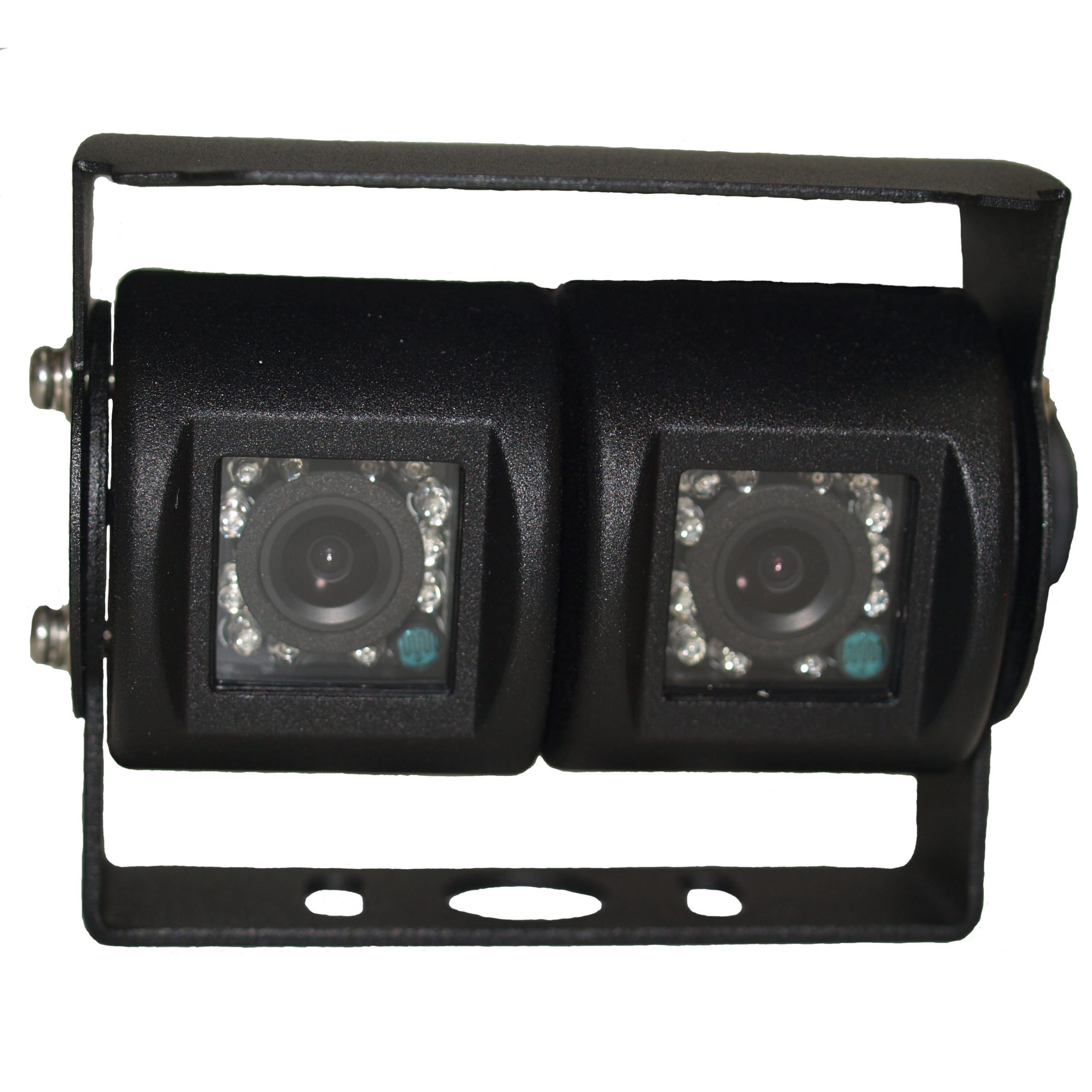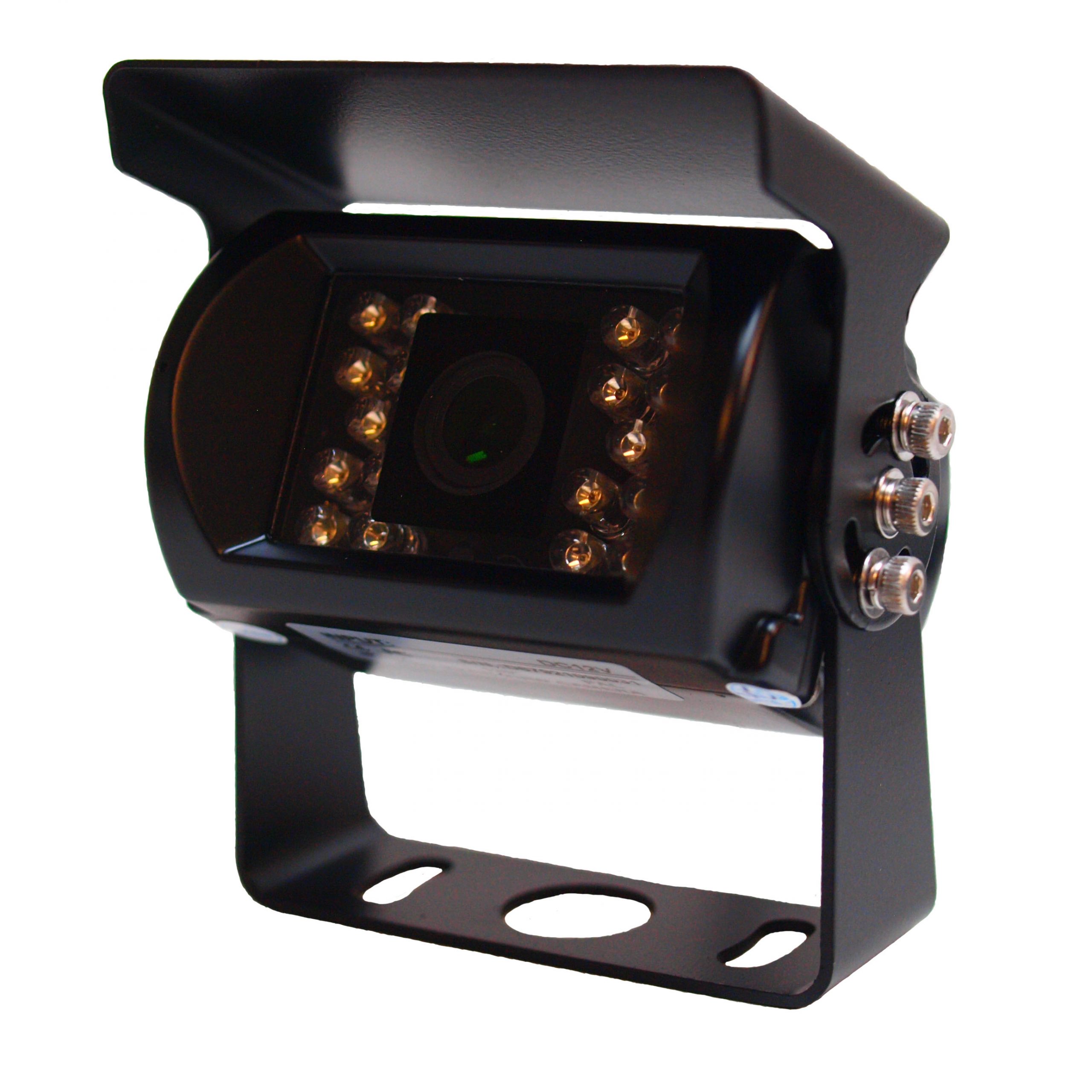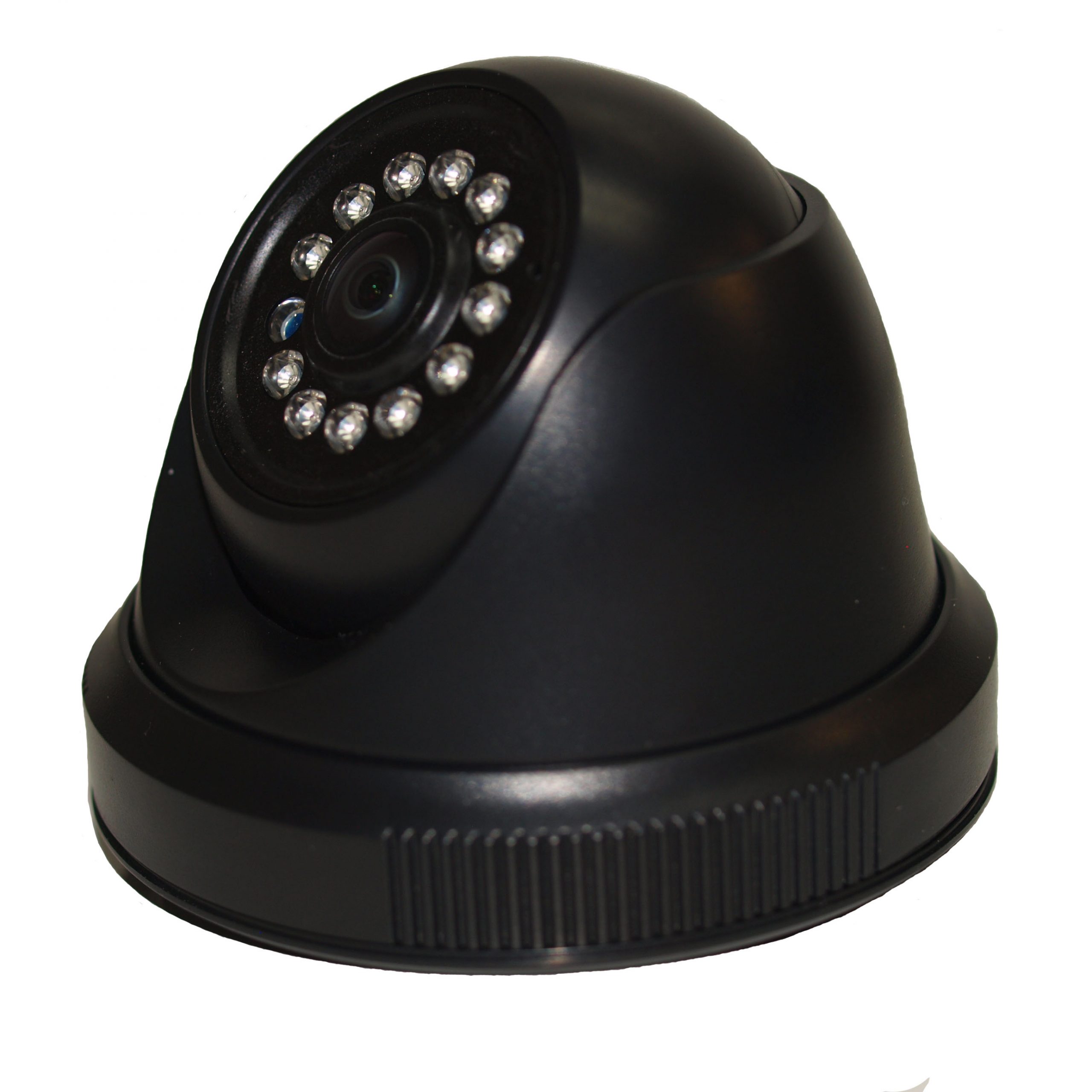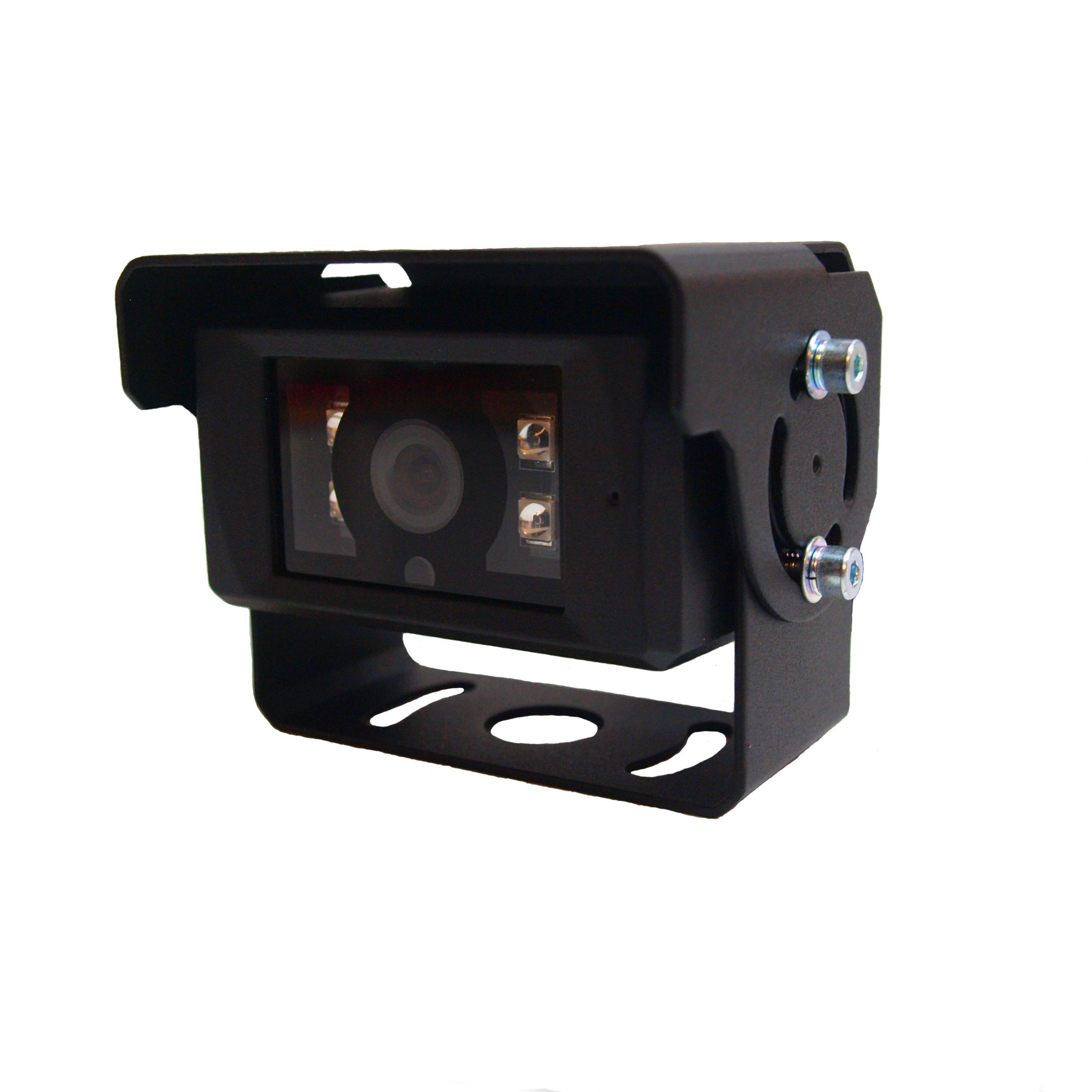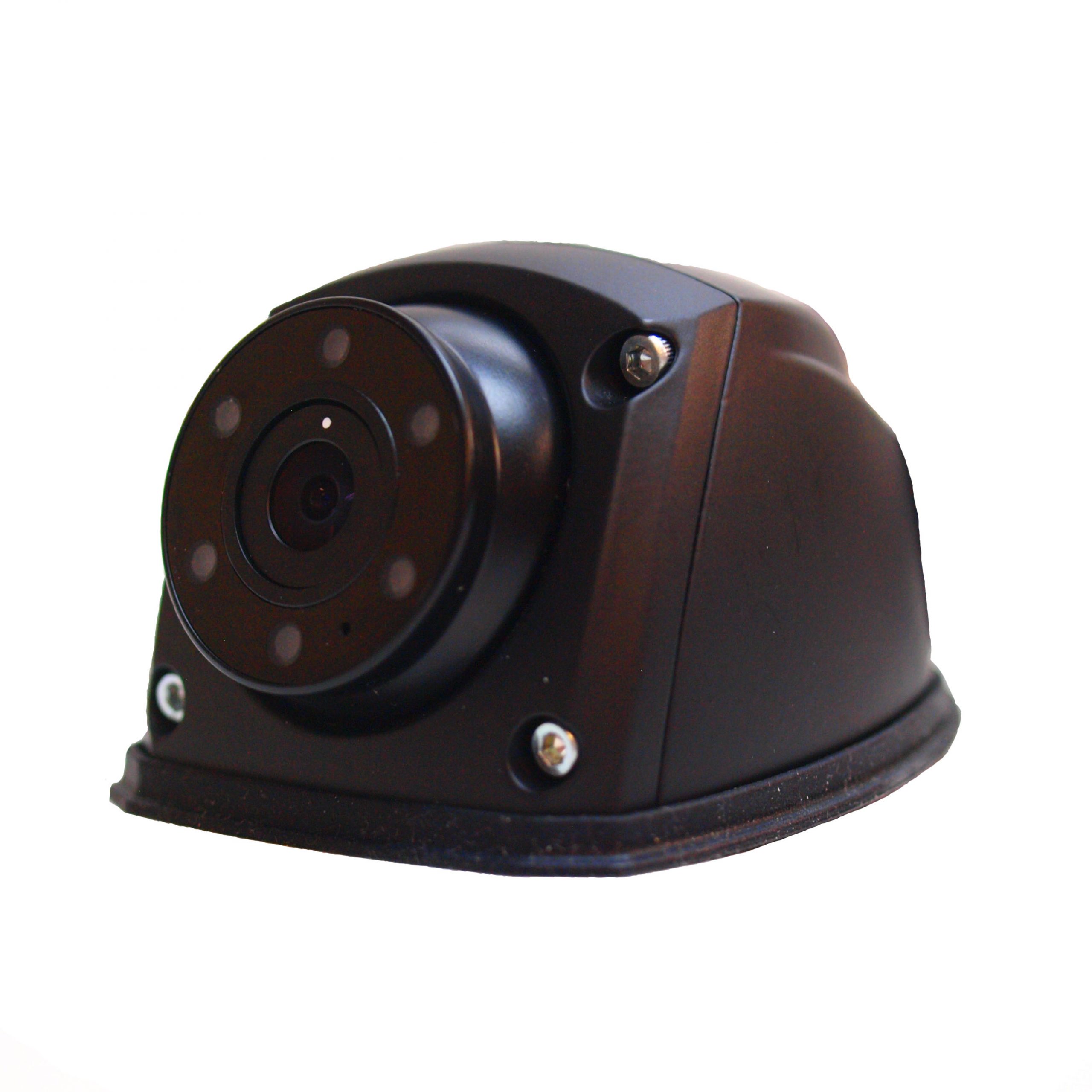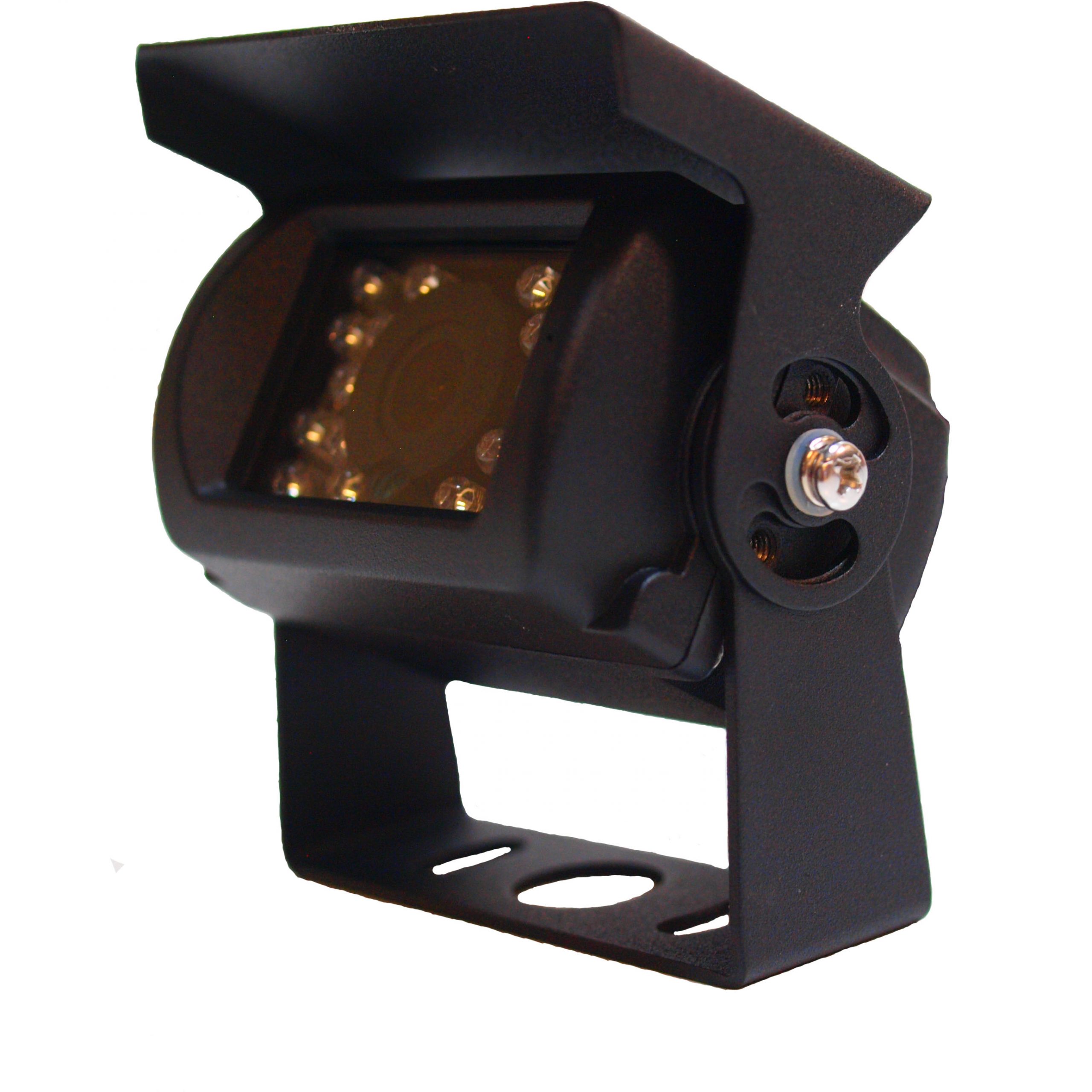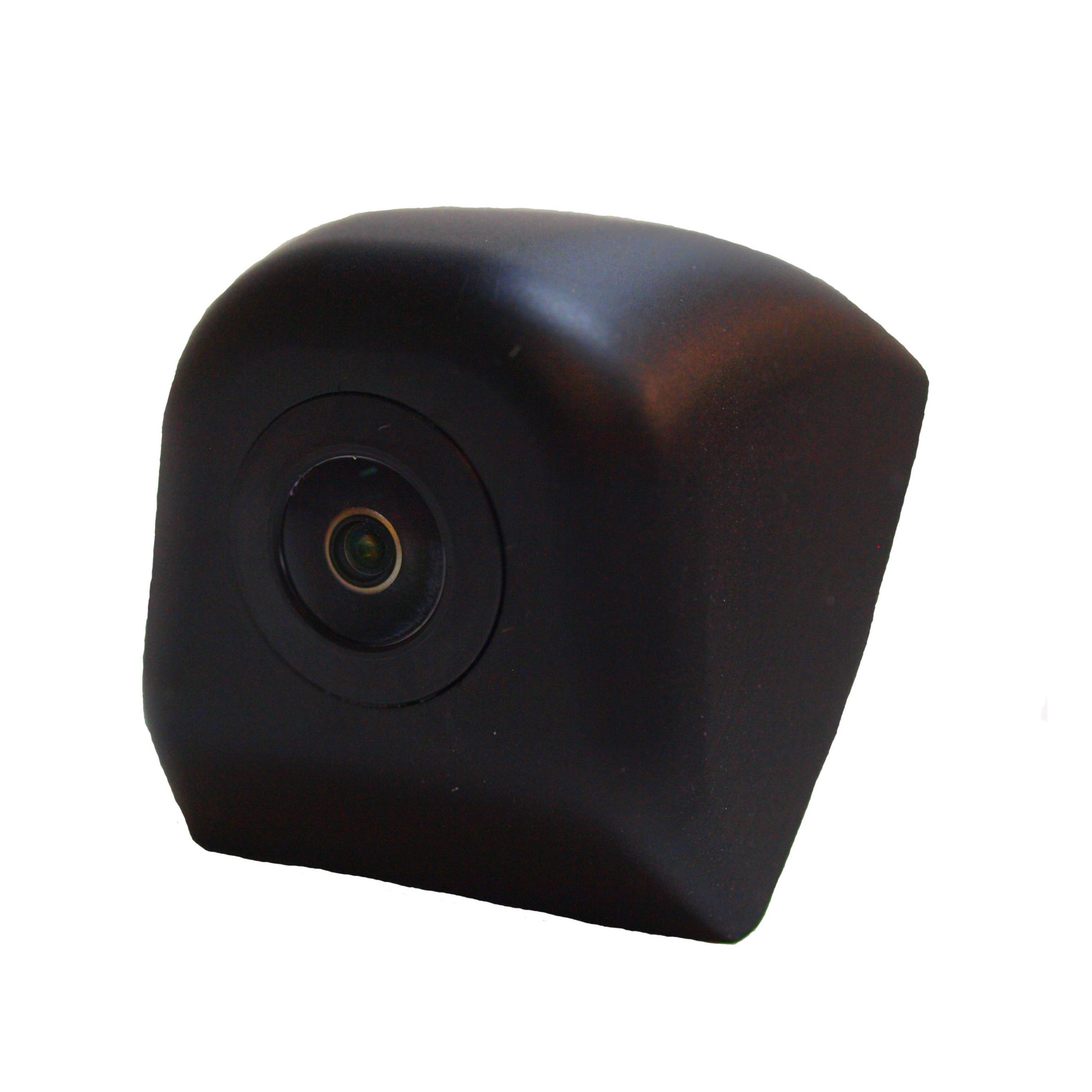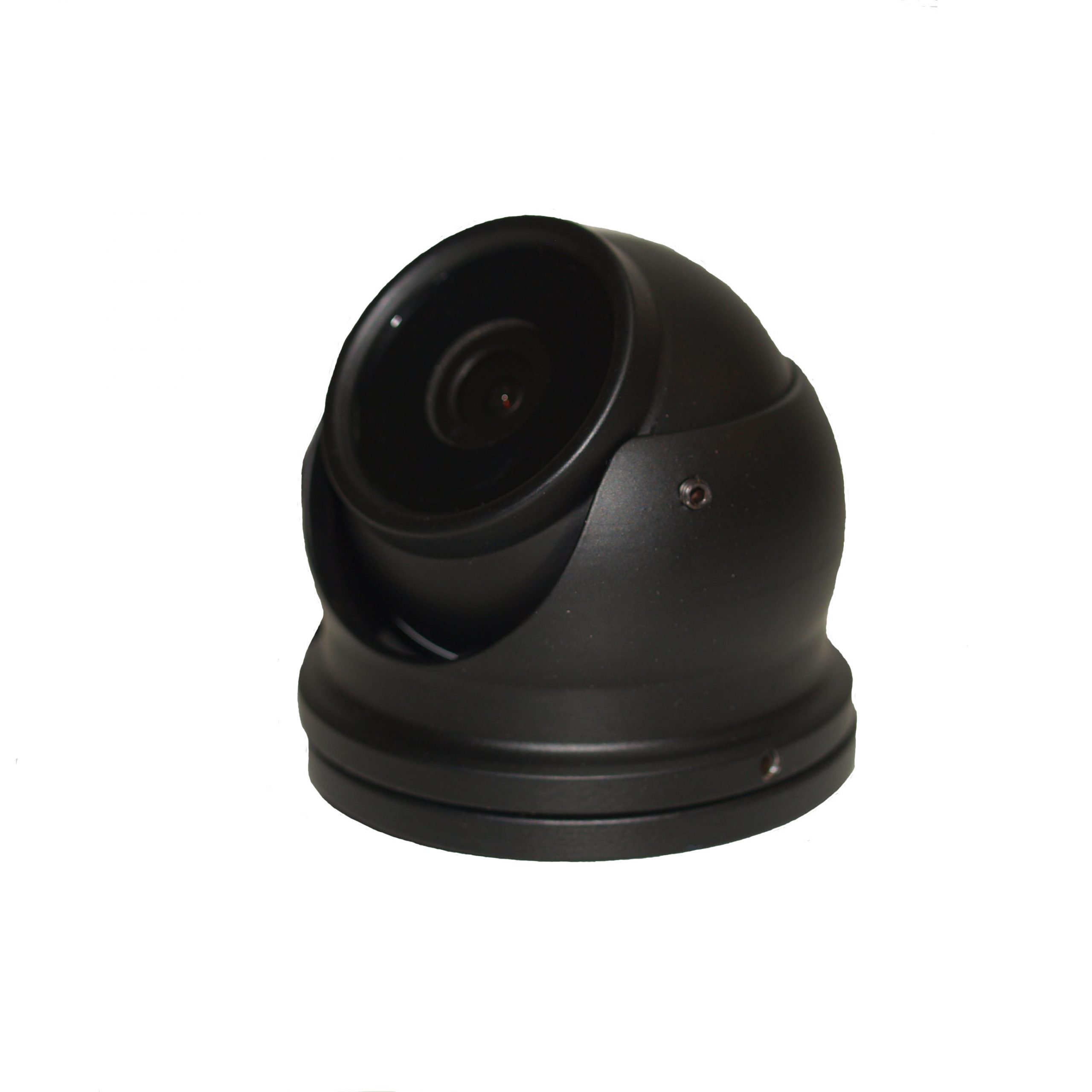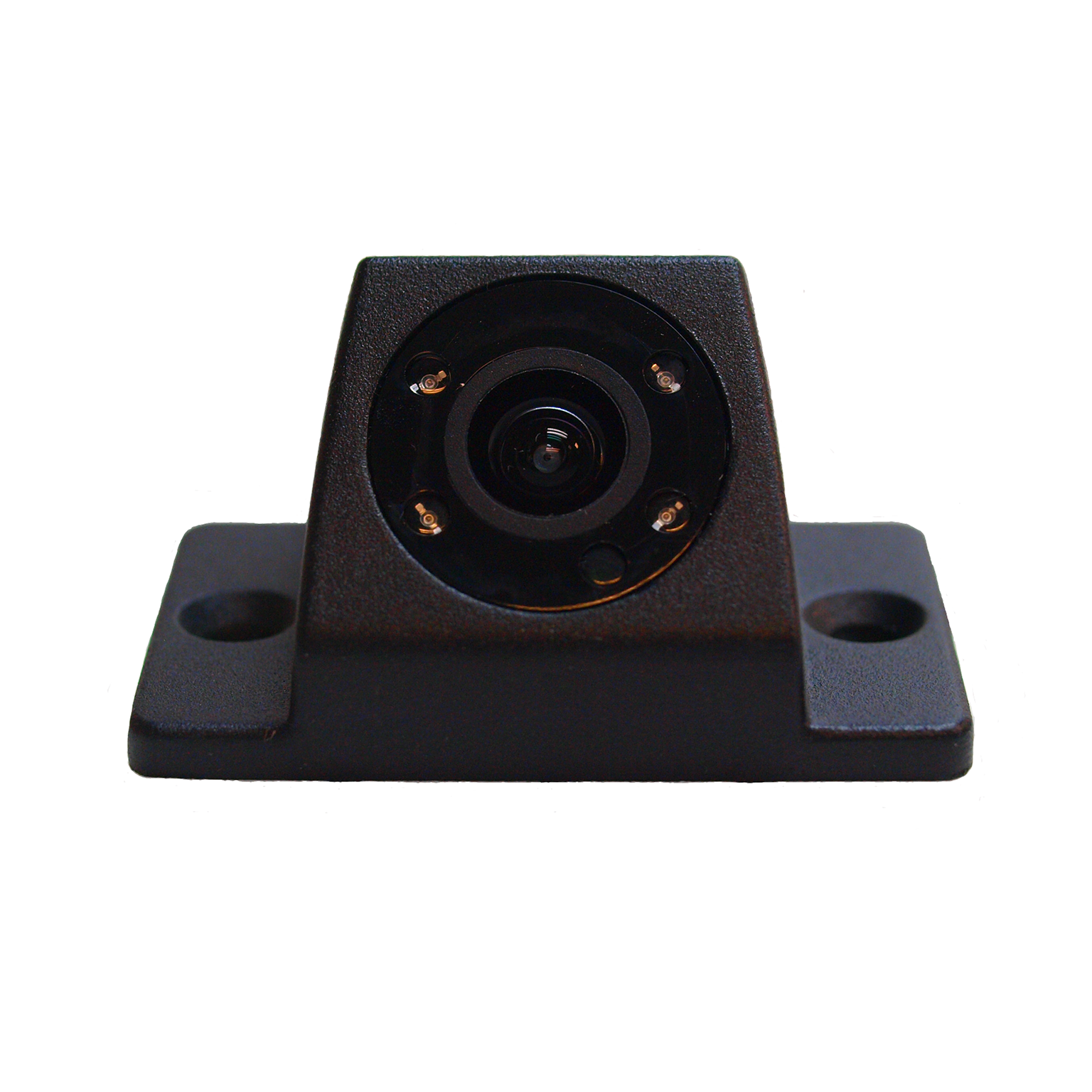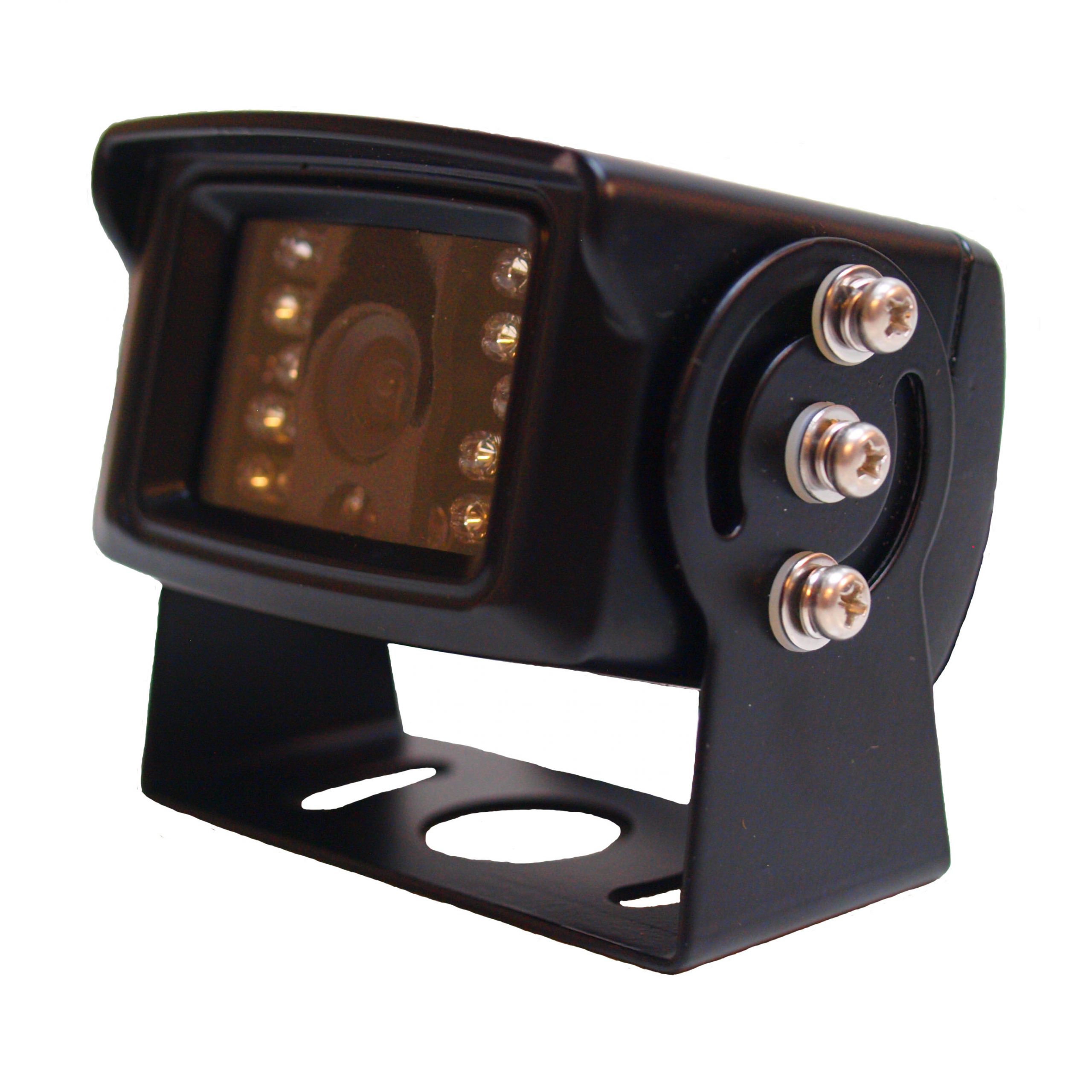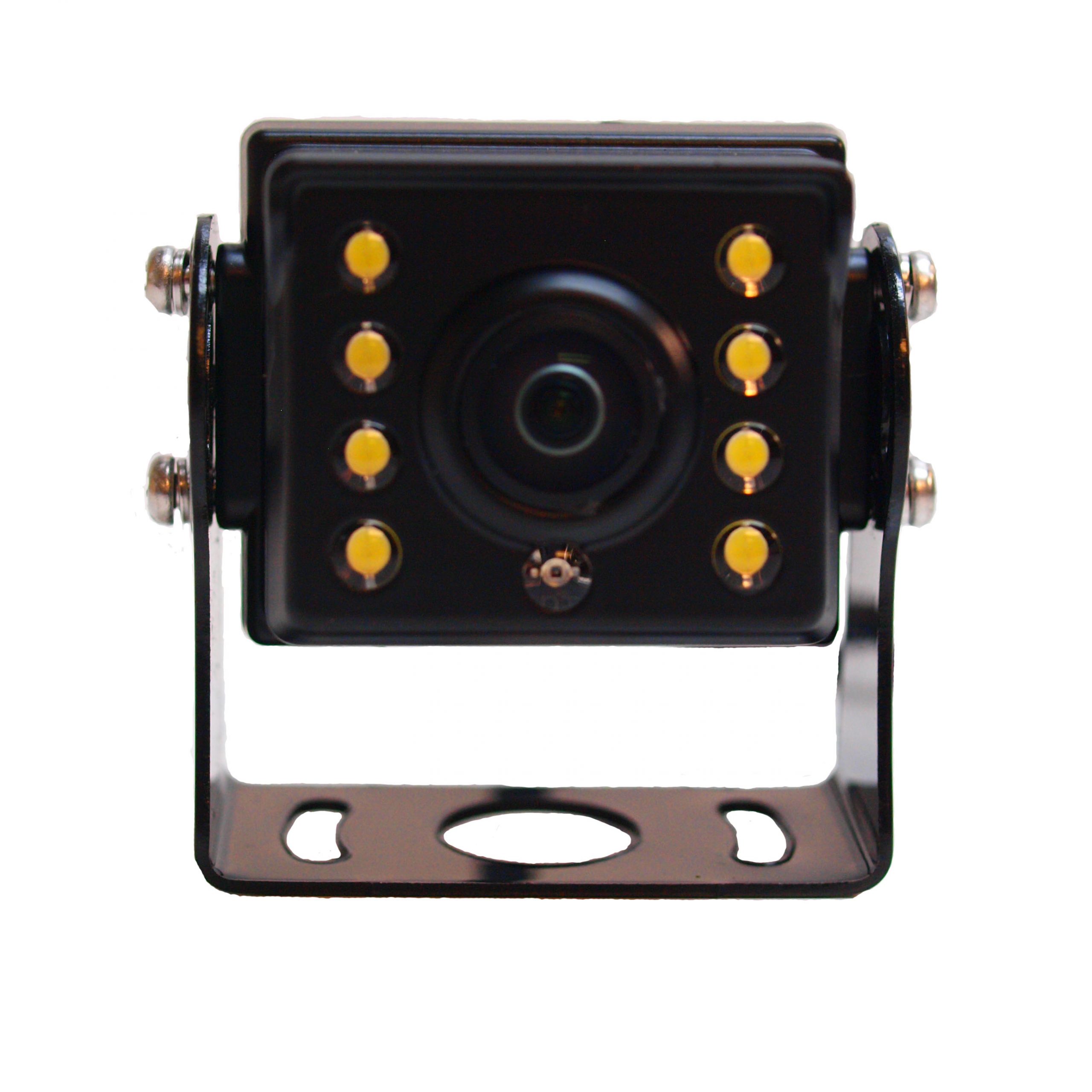
A fleet vehicle camera is not one product. It is a position-specific specification: nearside cameras need wide-angle coverage and indicator activation for DVS PSS compliance; rear cameras need to survive the vibration and dust of reversing operations; trailer cameras need a wireless link or a dedicated Susie line. Specifying the right camera for each position on each vehicle can be the difference between a system that satisfies a compliance audit and a system that produces footage that can actually be used when an incident occurs.
Backwatch supplies cameras for every position on UK fleet vehicles — IP69K-rated for refuse and quarry environments, FORS Gold-compliant for nearside fitment, and DVS PSS-approved for London operations. All cameras are 12V, suitable for HGV and LGV MDVR or monitor installations. Below is the camera range, the position each camera is designed for, and the compliance frameworks each meets.
Three drivers determine why a UK fleet operator fits cameras to its vehicles:
Truck cameras cover the areas a driver cannot see from the cab: the nearside, the rear, and the space directly in front of the vehicle. Most rigid and articulated fleets start with a rear camera and a nearside side camera, then add forward-facing or interior cameras where a contract or risk assessment calls for them. Many of our cameras have infra-red night vision and weatherproof, heavy-duty housings built for daily commercial use.
For reversing, our HGV reversing camera kits pair a rear camera with an in-cab monitor and an audible alarm. For London routes, side cameras form part of a DVS compliant Progressive Safe System, in addition to the Class IV and V mirrors rather than instead of them.
Cameras record only when they are connected to an MDVR recorder; on their own they give the driver a live view. All our cameras are 12V and suit HGV and LGV MDVR or monitor installations, and we fit across England and Wales, with weekend fitting at no extra cost.
| Camera | Position | Field of view | Resolution | IP rating | Trigger | Key compliance |
|---|---|---|---|---|---|---|
| BW690 Side Camera | Nearside CMS | Wide-angle | 1080p HD | IP69K | Indicator | DVS PSS, FORS Gold |
| CW406 Side Camera | Nearside (alt) | Wide-angle | 1080p | IP69K | Indicator | FORS Silver+ |
| MS311 AHD Side Camera | Side | Wide | AHD HD | IP69K | Continuous | FORS Silver+ |
| MS750 AHD Rear Camera | Rear (standard fit) | Wide | AHD HD | IP69K | Reverse gear | All |
| BW688 Rear Camera | Rear (alt) | Wide | 1080p HD | IP69K | Reverse gear | All |
| BW662 Rear Camera | Rear (alt) | Standard | 1080p | IP69K | Reverse gear | All |
| CW087 Rear Camera | Rear (alt) | Wide | 1080p | IP69K | Reverse gear | All |
| BW525AHD Camera | General/AHD | Standard | AHD HD | IP69K | Continuous | — |
| BW686 Forward Camera | Front (event recording) | Wide-angle | 1080p HD | IP69K | Continuous | Can form part of a MOIS installation |
| BW601 Dome Camera | Interior (saloon) | 360° dome | 1080p | IP66 | Continuous | PSV interior |
| BWA220 Dome Camera | Interior dome | 360° dome | 1080p | IP66 | Continuous | PSV interior |
| BWA120 Compact Camera | Interior (compact) | Standard | 1080p | IP69K | Continuous | Interior coverage |
| CW639 Camera | Hopper/load | Wide-angle | 1080p | IP69K | Continuous | Refuse, tipper |
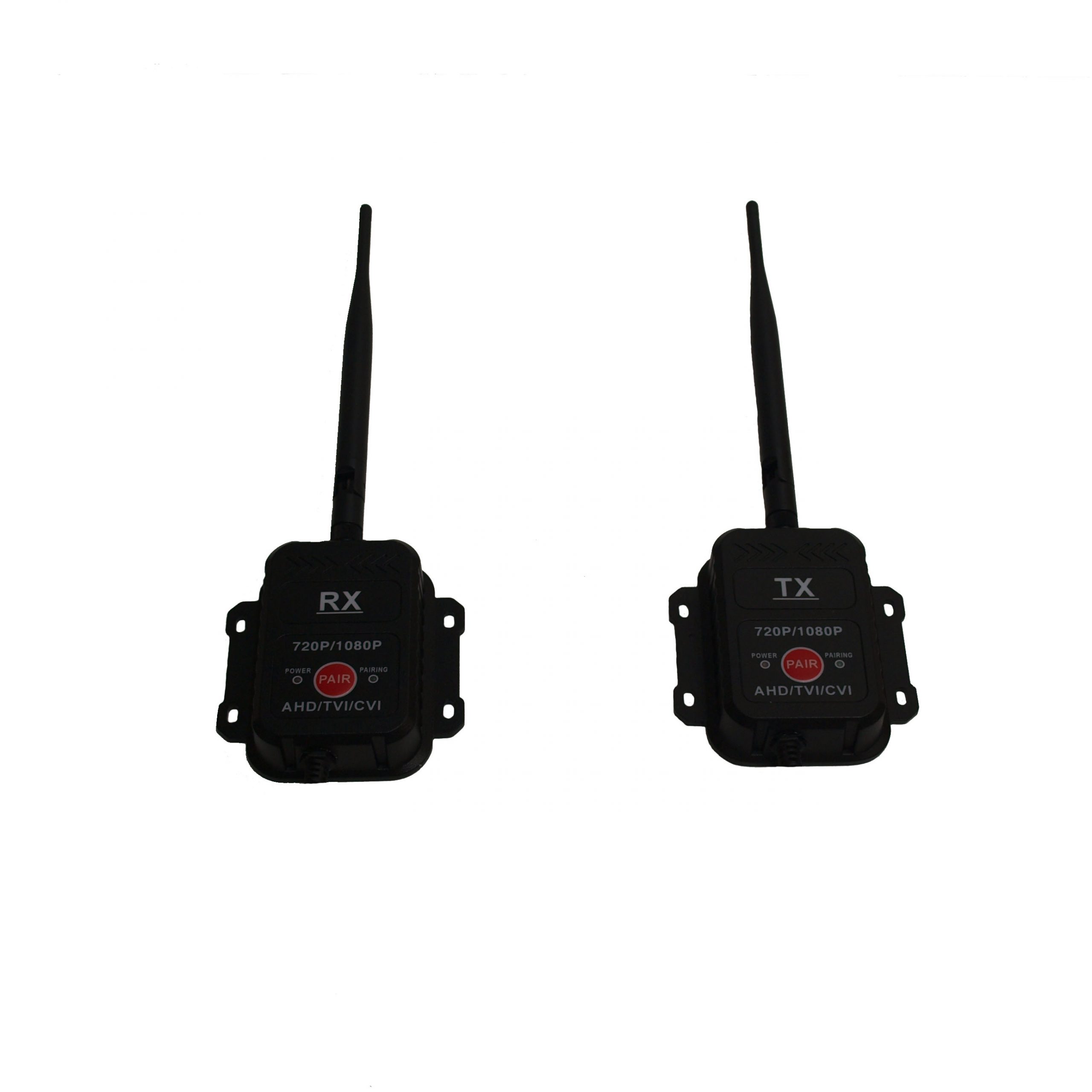
| BWTX/RX Wireless | Trailer wireless | — | 1080p | IP69K | Continuous | Trailer/articulated |
All cameras are 12V. Cameras provide the live view to the in-cab monitor; recording requires the camera to be linked to an MDVR — no Backwatch camera records on its own.
The nearside camera position is the single most important camera fitment for compliance. It does not replace the vehicle’s mirrors — Class IV and V mirrors remain a FORS and PSS stipulation — but for vehicles with a DVS star rating of 0, 1 or 2, side cameras must be fitted in addition to the mirrors under the Progressive Safe System. Backwatch supplies the BW690 (primary), CW406 (alternative), and MS311 (AHD variant) for this position. All three meet the wide-angle field of view, IP69K rating, and indicator-activation logic the standards require.
Rear cameras serve two functions: real-time reversing assistance via the in-cab monitor, and — where the camera is linked to an MDVR — recorded footage for incident investigation. The recorder is the component that records; the camera alone provides the live view only. The MS750 AHD is our standard fleet rear camera; BW688, BW662 and CW087 are alternative specifications for different mounting requirements. For tipper bodies, the rear camera position must remain functional when the body is raised — Backwatch installations specify the mounting position to avoid obscuration by the tailgate or body structure.
The front camera position covers two distinct functions. For general event recording — capturing footage of incidents in the vehicle’s forward path — the BW686 Forward Camera is our standard fitment. For DVS PSS MOIS, the detection intelligence sits in the MOIS ECU, not the camera: a forward camera such as the BW686 can be used as the camera element of a MOIS installation, but it is the ECU that provides the MOIS function (covered separately under our DVS PSS systems).
The BW601 and BWA220 dome cameras are designed for interior coverage on coaches and PSVs. The BWA120 compact camera is an interior option where the dome form factor is impractical. CW639 is the hopper/load camera — used on refuse vehicles, tippers, and grab lorries to monitor the loading or tipping zone.
For articulated vehicles, trailer-mounted cameras feed the cab monitor either via the BWTX/RX wireless transmitter/receiver pair or through a dedicated wired Susie line — there is no Susie connector on a wireless system. The wireless link works with any standard rear camera (BW688, BW662, MS750) and is manually coded between transmitter and receiver, which suits tractor-trailer units that stay together; trailers that are swapped frequently are better served by the Susie line, which connects automatically at coupling. See our trailer camera systems page for the full configuration guidance.
| Framework | Required camera fitment | Backwatch range |
|---|---|---|
| DVS PSS (London HGVs >12T) | Side camera (nearside CMS) only | BW690, CW406, MS311 |
| FORS Bronze | None mandatory | All cameras supported in walkaround checks |
| FORS Silver | Side camera on all HGVs; rear camera on rigid vehicles over 7.5T (not artics); 7″ monitor | BW690, CW406, MS311 + MS750 rear |
| FORS Gold | Same camera specification as Silver — Gold members must also publish a case study | BW690 (primary), CW406, MS311 + MS750 rear |
| CLOCS | References FORS Silver | BW690 + supporting components |
| WISH WASTE-04 | Cameras for blind spot monitoring; hopper coverage | Nearside + CW639 hopper |
| LOLER (lifting equipment) | Bin lift / lift zone visibility | CW639 hopper, dome cameras |
AHD (Analog HD) cameras transmit analogue signal over standard coaxial cabling but at HD resolution (typically 720p–1080p). Digital cameras (IP-based) transmit over Ethernet or proprietary digital links. AHD has the advantage of long cable runs without signal degradation (relevant on articulated vehicles or buses with long camera-to-monitor distances) and lower cost. Digital cameras offer higher resolution potential and easier integration with networked MDVRs. Most fleet installations standardise on one signal type across the vehicle to simplify installation and maintenance — Backwatch supplies AHD variants (MS311, MS750, BW525AHD) and digital variants for fleets with either preference.
IP67 certifies protection against temporary immersion (30 minutes at 1m). IP69K certifies protection against high-pressure, high-temperature water jets at close range — the standard used for vehicles that are pressure-washed as routine. UK fleet vehicles (refuse, construction tippers, agricultural machinery) are often pressure-washed daily; IP66 or IP67 cameras can fail at the seal points under repeated wash cycles. IP69K is the recommended specification for any fleet camera that goes outside the cab, and the rating should apply to the housing, lens assembly, and cable entry points — not just the headline housing rating.
FORS Silver requires a side camera on all HGVs, and a rear camera on rigid vehicles over 7.5 tonnes (the rear-camera requirement doesn’t apply to articulated units), along with a 7-inch minimum monitor. In practice, many installations fit 4 cameras: nearside, rear, front (forward event recording), and offside (best practice). FORS Gold has the same camera specification requirements as Silver — the difference is that Gold members must also publish a case study. Refuse vehicles typically add a fifth camera covering the hopper zone for WISH WASTE-04 alignment.
Compatibility depends on signal format. Cameras with standard CVBS (analogue) or AHD output can typically integrate with most modern MDVRs that accept those signals. Cameras with proprietary digital outputs (some OEM rear cameras on newer trucks) require either a signal converter or replacement. At Backwatch installation, existing cameras are assessed for compatibility — those that integrate cleanly are kept; those with format mismatches are replaced with Backwatch units of equivalent or better specification. The decision is per-vehicle, not all-or-nothing.
A side camera (BW690, CW406, MS311) provides a single live feed of the nearside or offside zone — it shows the area alongside the vehicle on the in-cab monitor when the relevant indicator is activated. A 360° camera system is a standalone product: four wide-angle cameras and a stitching ECU, supplied together, that produce a single bird’s-eye view image of the vehicle and its immediate surroundings. 360° systems are useful for manoeuvring in tight spaces. They do not replace the nearside camera for DVS PSS purposes — DVS PSS specifically requires a CMS feed, not a stitched view. Most fleet operators standardise on side cameras for compliance and add 360° where the operating environment justifies it.
Camera performance in low light depends on sensor specification, not just resolution. Backwatch cameras specified for night operations (gritters, refuse vehicles on early-morning rounds, security/storage operations) include either large sensor formats (1/2.8″ or larger) with low minimum illumination ratings (0.01 lux), or supplementary infrared illuminators built into the housing. Standard daytime cameras can produce unusable footage in genuine darkness — for night operations, specify the camera by its low-light performance, not by its resolution. Selected cameras include IR-enhanced variants for night-operation positions.
Retention is determined by the MDVR storage configuration, not by the camera — and recording only happens where the cameras are linked to an MDVR. Standard rolling retention for fleet operations: 30–60 days at 1080p HD across multiple channels. For incident footage, retention should extend until the matter is formally resolved — typically 2–5 years for personal injury or fatal accident investigations. UK GDPR requires footage be retained no longer than necessary; the fleet’s data protection policy should document the retention schedule.
Tell us what vehicles you run and what you need — we will come back with a recommendation and a price. Prefer to talk? Call 01656 721871.
17 July 2026
Monday to Friday:
8.30am-5.30pm