

Fleet compliance is not achieved at the point of installation. A camera system fitted to every vehicle in the fleet satisfies the hardware requirement; it does not satisfy the compliance requirement unless the installation is documented correctly, the systems are maintained and the maintenance is recorded, and the operator can produce that documentation when a […]
4 August 2026

Three separate safety systems installed on the same vehicle by three different suppliers are not an integrated system. They are three systems that may or may not interact correctly, maintained by three separate support relationships, with failure modes that occur at the integration points nobody owns. When the BSIS sensor is supposed to activate via […]
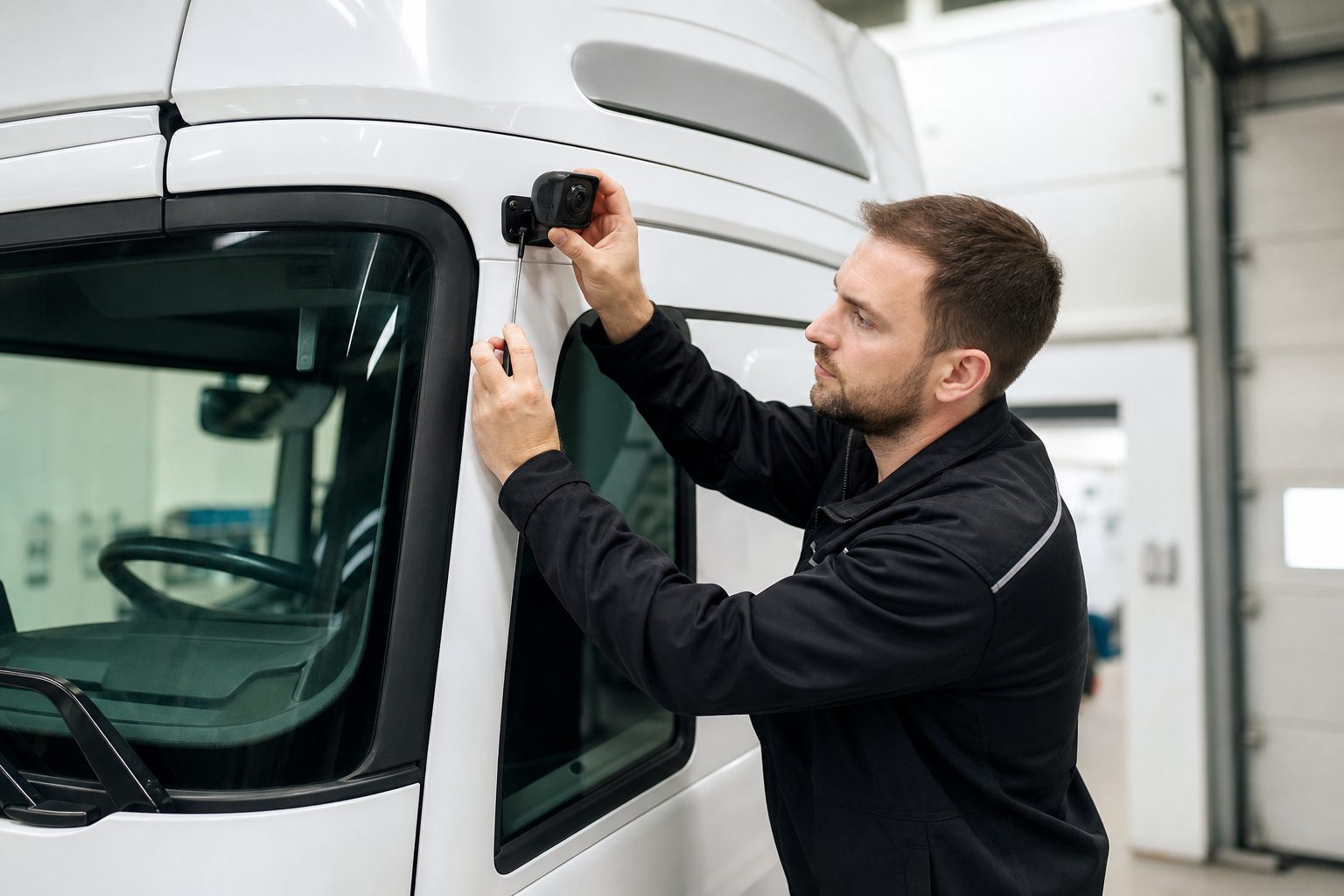
Vehicle safety equipment that works as separate components — a camera from one supplier, a sensor from another, an MDVR from a third — creates a system where the failure modes are at the integration points. The camera footage that is supposed to appear on the in-cab monitor does not show up because the video […]

A fleet operator choosing a vehicle safety equipment supplier is making a decision that affects every vehicle in the fleet, every driver on the road, and every claim that gets filed over the next five years. The product specification matters. But what matters more is whether the supplier understands the operating environment those products go […]

The phrase “monitoring system” covers a wide range of technologies that have nothing in common except that they observe something and generate a response. A driver-facing DSM camera that detects fatigue is a monitoring system. A proximity sensor that detects a pedestrian behind a reversing vehicle is a monitoring system. A portal that flags a […]

A road gritter operating at 3am on an icy dual carriageway is one of the highest-risk vehicle deployments in any council fleet. The vehicle is large, slow-moving, and operating in the dark in adverse weather conditions. Following vehicles may encounter ice that significantly reduces braking distance. The gritter itself is a conspicuous obstacle. Rear-end collisions […]
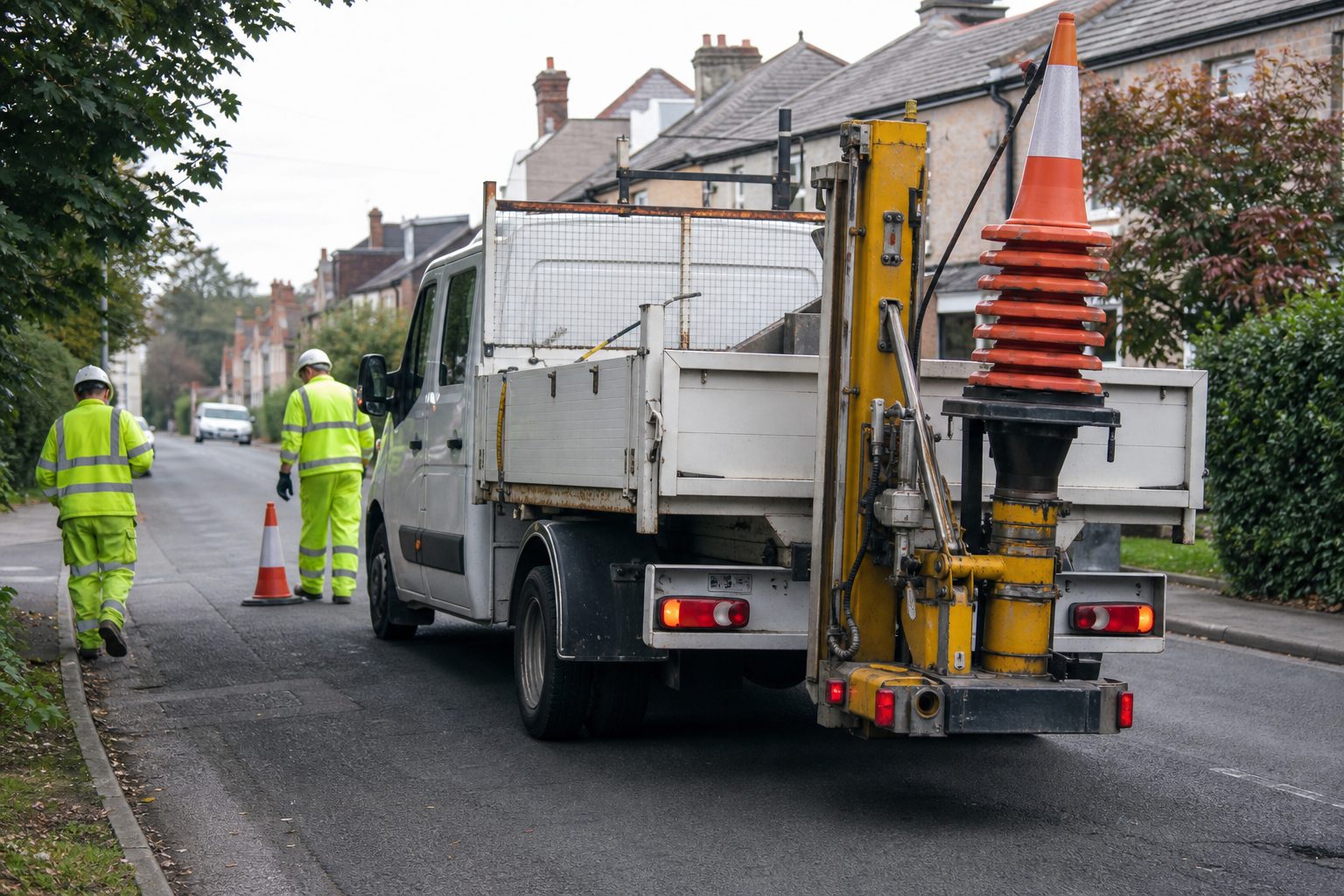
Council-owned vehicles operate under a compliance stack that most private fleet operators do not face. Statutory regulations, accreditation standards, procurement requirements, and public accountability obligations layer on top of each other — and the consequences of non-compliance are not just financial but reputational. A council fleet manager needs to understand not only which framework requires […]

A street maintenance fleet is spread across an entire local authority area on any given working day. Pothole crews are in one ward, gully cleansing vehicles in another, winter service gritters covering main roads at 3am. The fleet manager’s ability to supervise operations, respond to incidents, and verify where vehicles are at any given moment […]

A council that cannot produce camera footage from a refuse vehicle incident within 24 hours of a claim being filed is in a worse position than a council that had no cameras at all. The absence of footage, where cameras were fitted and should have recorded the event, raises immediate questions about why the footage […]
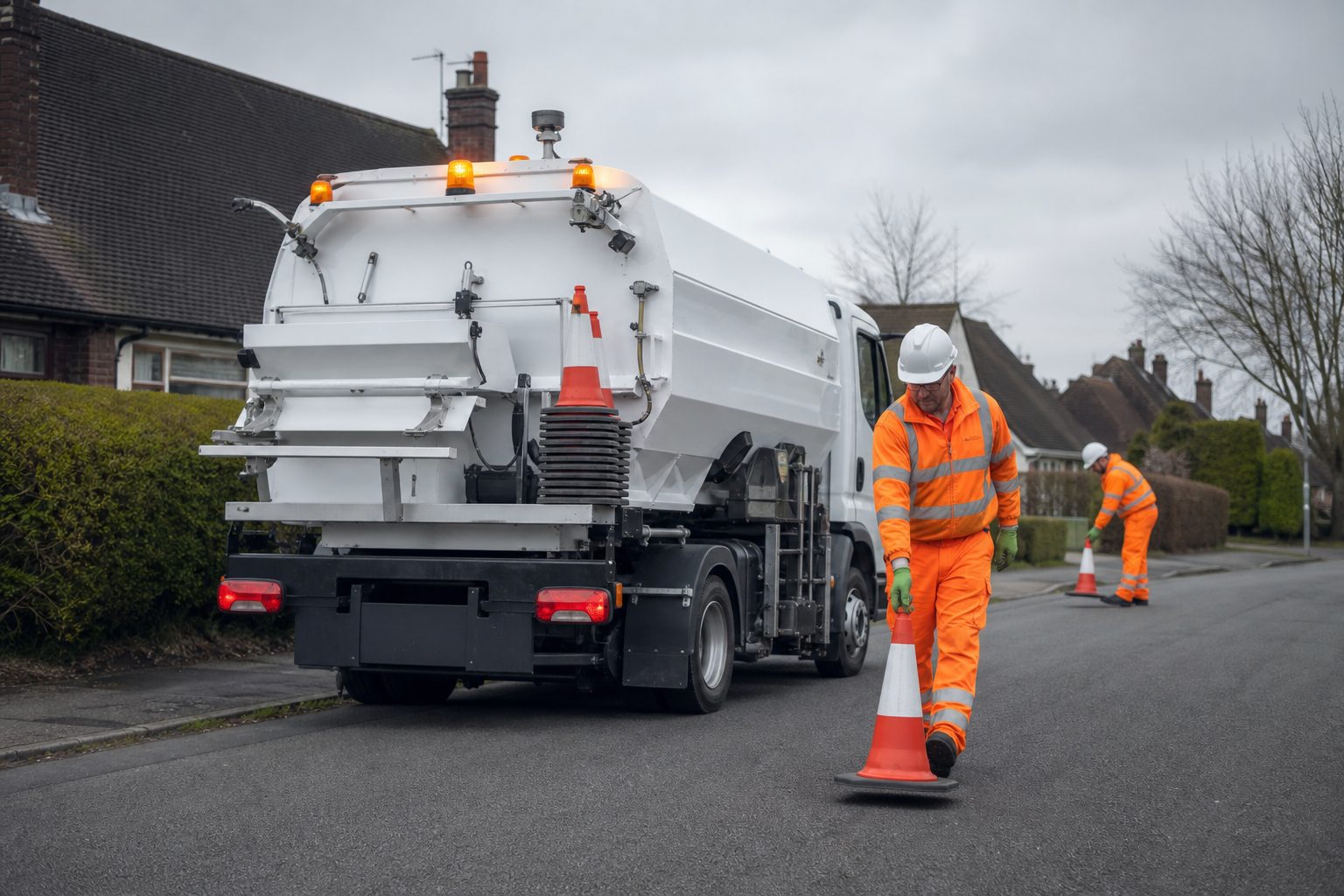
Public sector vehicle operators — councils, NHS trusts, universities, housing associations — face the same safety system compliance requirements as private fleet operators, with the addition of public accountability obligations that private operators do not carry. A non-compliant vehicle in a private fleet creates financial and safety risk. The same vehicle in a public sector […]
Monday to Friday:
8.30am-5.30pm