

Tippers fitted with generic HGV camera configurations consistently produce two specific failure modes. The rear camera — mounted on the tipping body — is pointing at the sky the moment the body is raised, exactly when the vehicle needs rear coverage during the reverse that follows a tip delivery. The g-sensor — calibrated for road […]
4 August 2026

Construction fleet camera compliance becomes visible at the site gate. A vehicle that does not meet the camera and sensor requirements of a CLOCS-adopting site is turned away — not fined, not warned, but denied entry. For a concrete mixer that has missed a pour or a tipper that cannot tip at the designated bay, […]
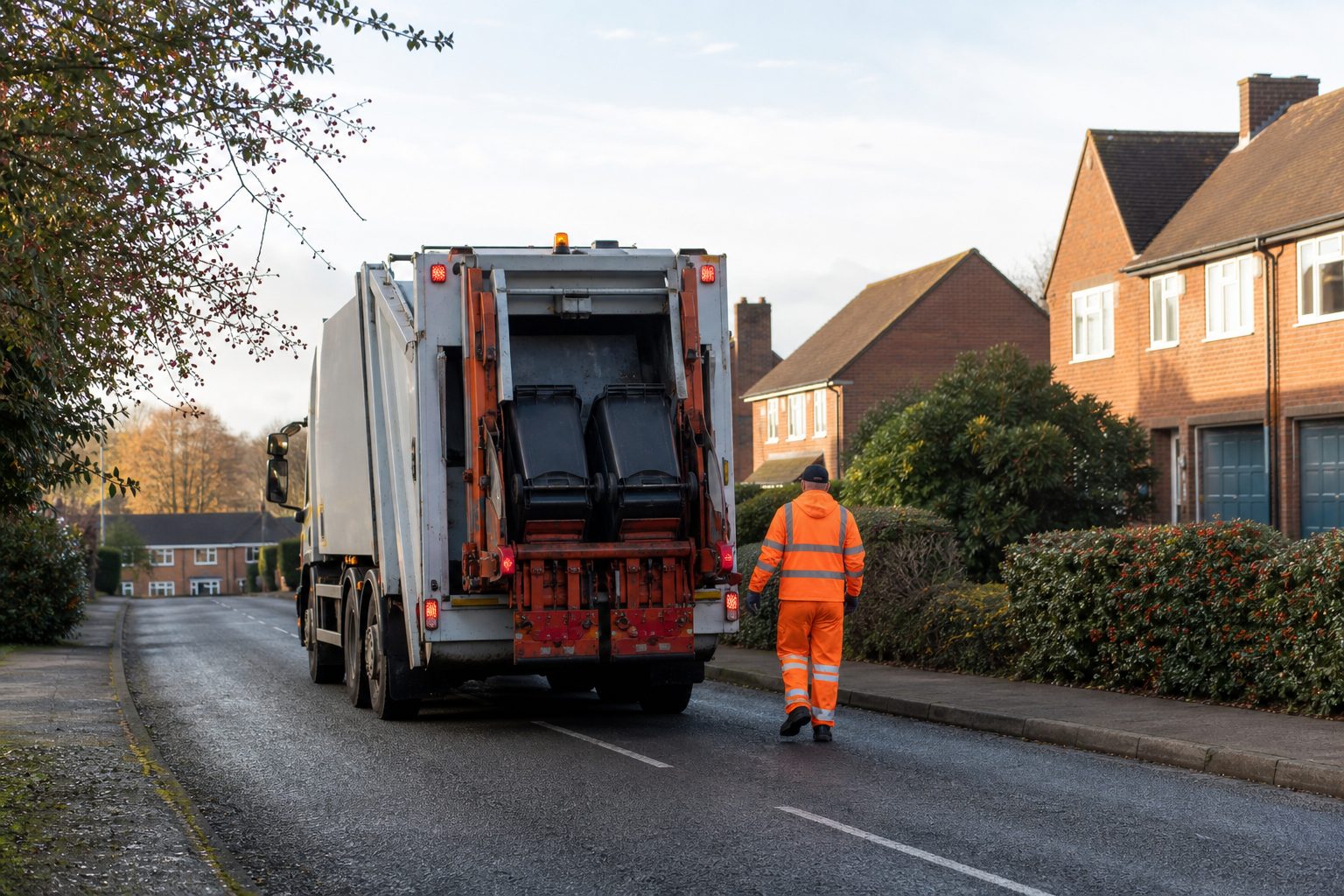
Waste fleet operators carry an above-average claims exposure relative to most commercial vehicle operations. The combination of residential operating environments, high reversing frequency, crew on foot alongside the vehicle, and daily contact with parked vehicles and pedestrians creates a claims volume that logistics and construction fleets rarely encounter. The proportion of those claims that are […]
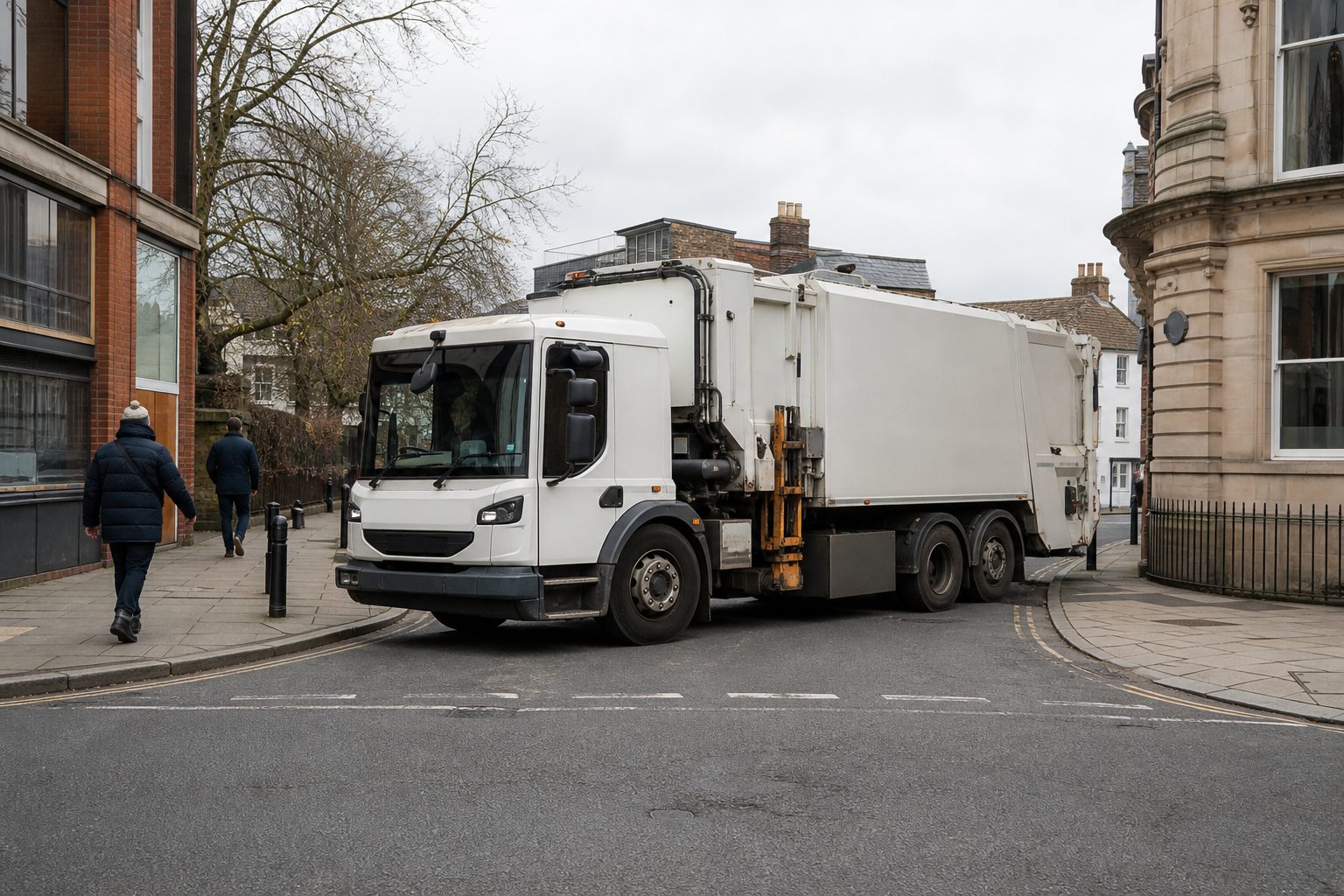
Local authorities and the contractors they commission to run waste collection services operate at the intersection of several overlapping compliance frameworks. The Health and Safety at Work Act 1974, the Road Traffic Act, the operator licensing system, the Direct Vision Standard, and FORS accreditation all impose requirements that interact with each other — and with […]
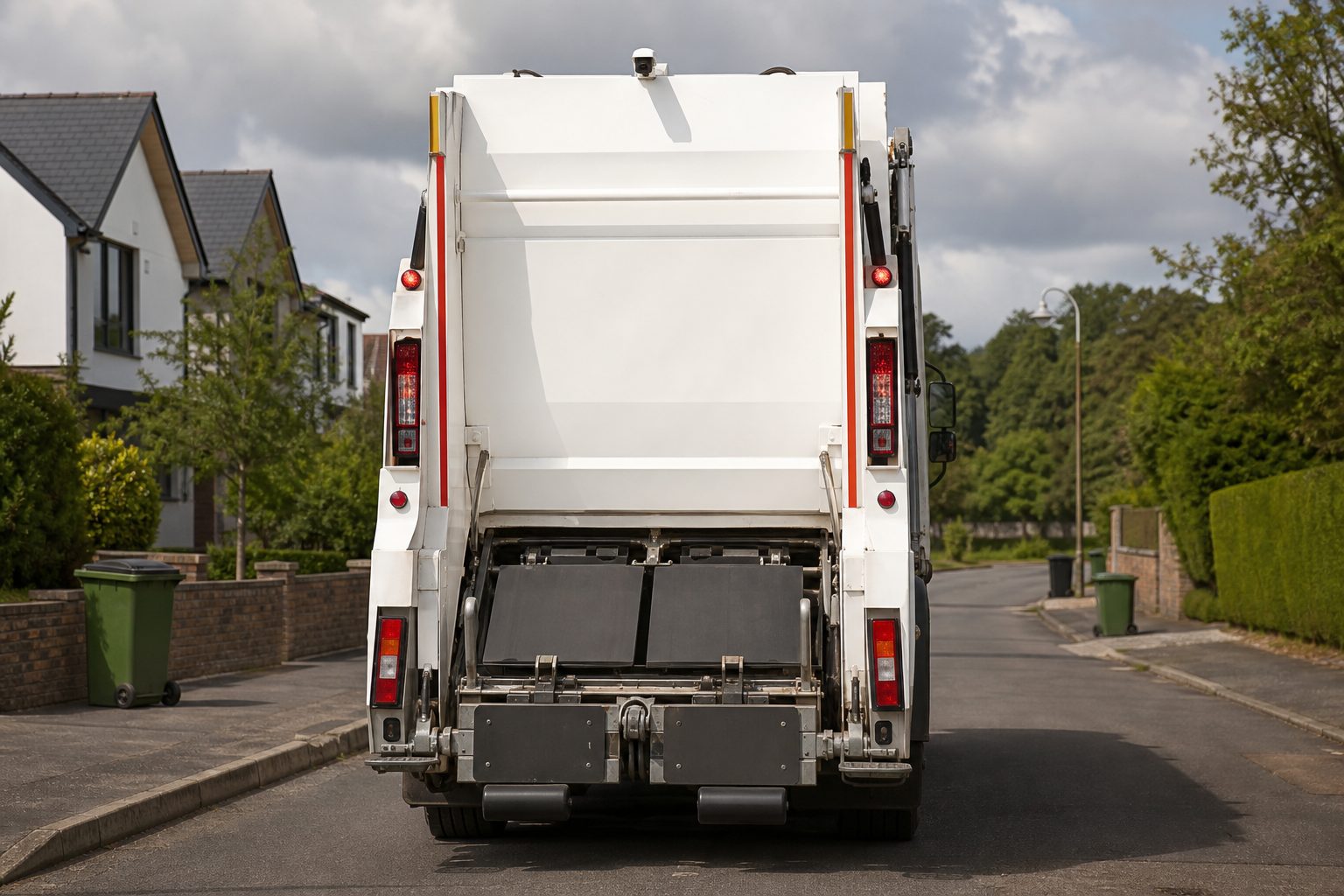
Proximity sensors and cameras address vehicle hazards through different mechanisms. A camera requires the driver or a monitoring operator to watch the image and respond. A sensor responds autonomously — alerting the driver with an audible and visual warning the moment a detection threshold is reached, without depending on whether the driver is watching the […]
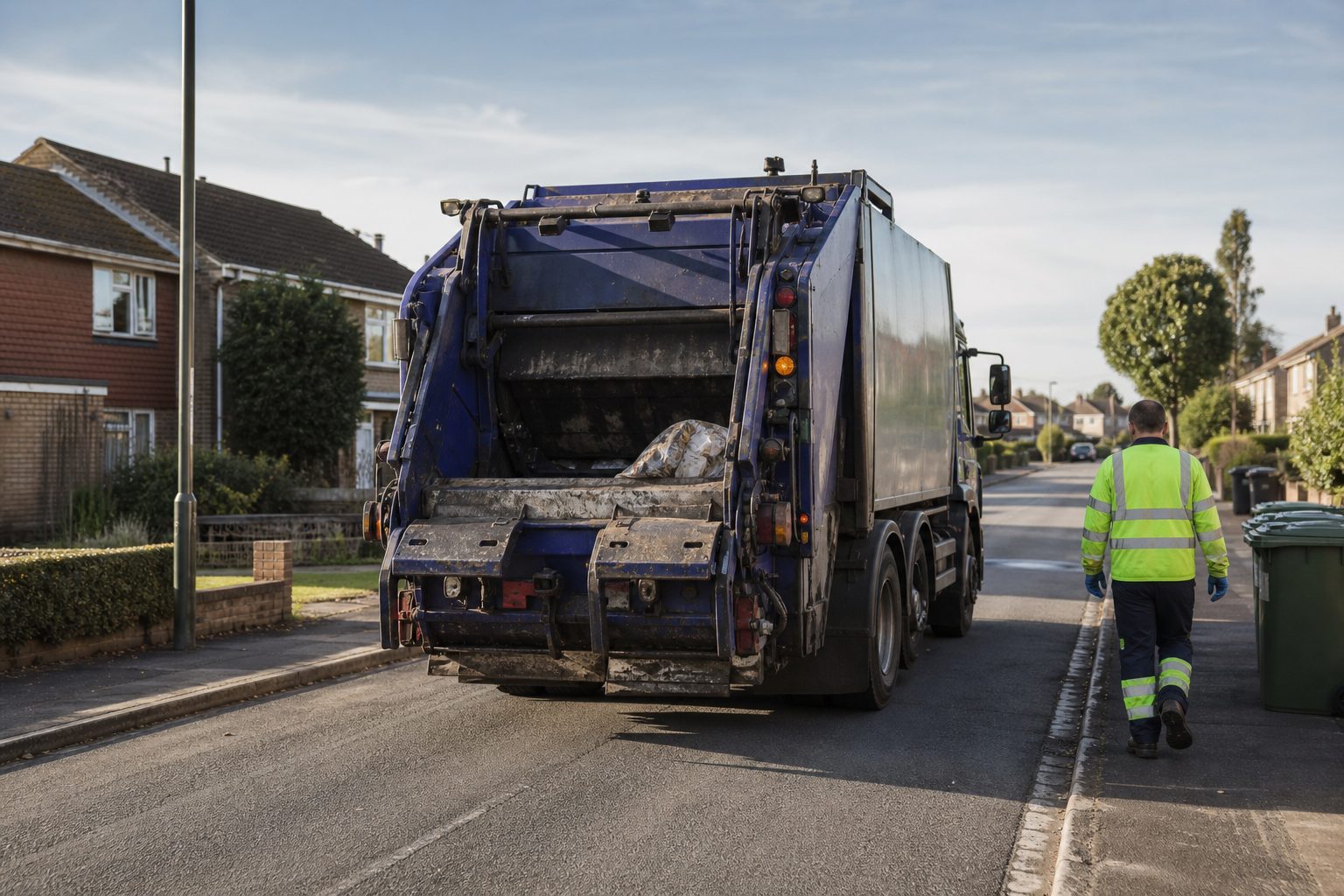
The waste and recycling sector has a combined fatal and serious injury rate more than four times the average across all UK industries. That figure is not produced by unusual or unforeseeable events — it reflects a structural operating environment where heavy vehicles and people on foot are in constant proximity, on every shift, on […]
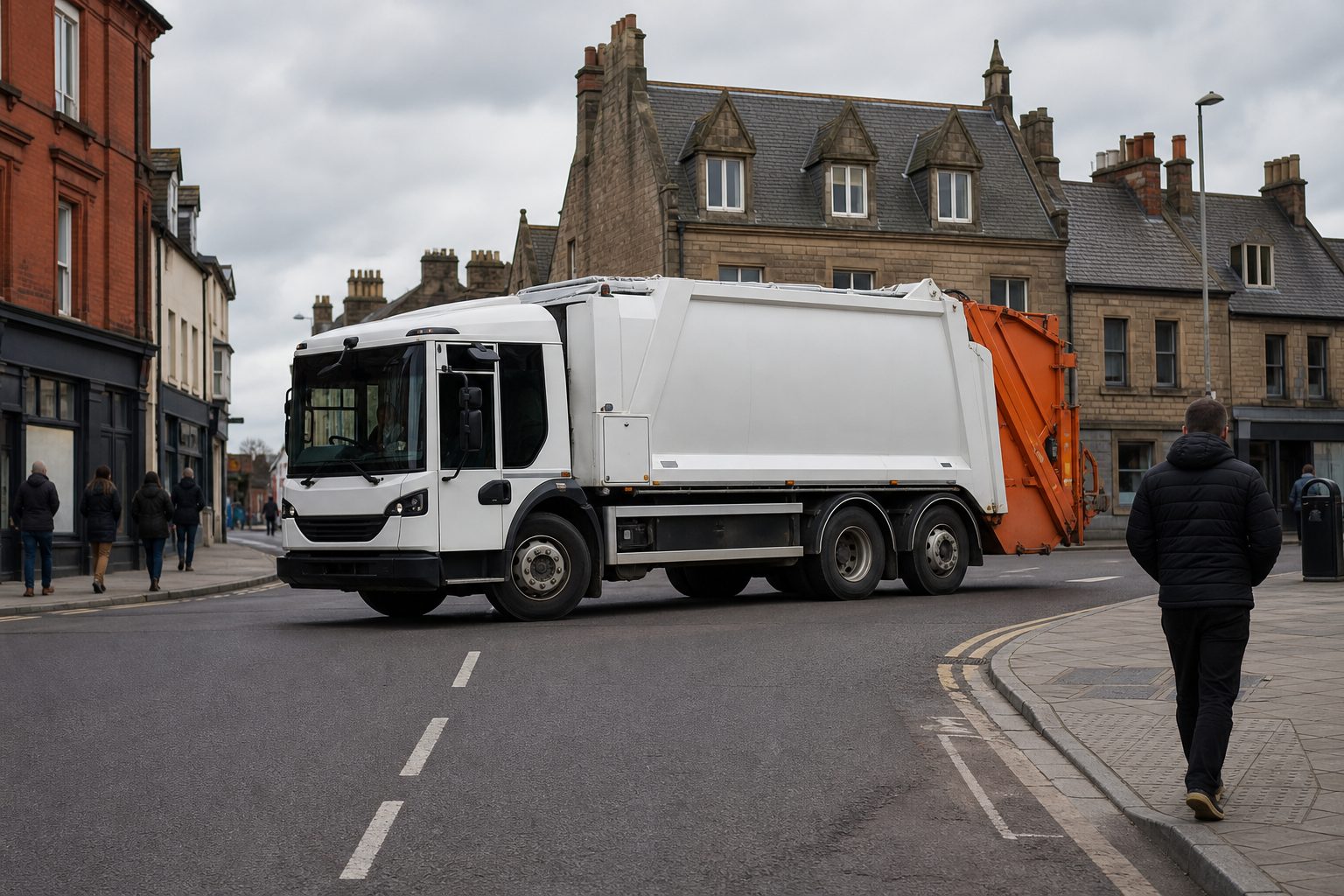
A fleet manager with forty refuse collection vehicles on the road has no visibility of what is happening on any of them until the vehicle returns to depot — unless the fleet has live view capability. By the time a driver calls in to report a near-miss, the injured party has already been taken to […]
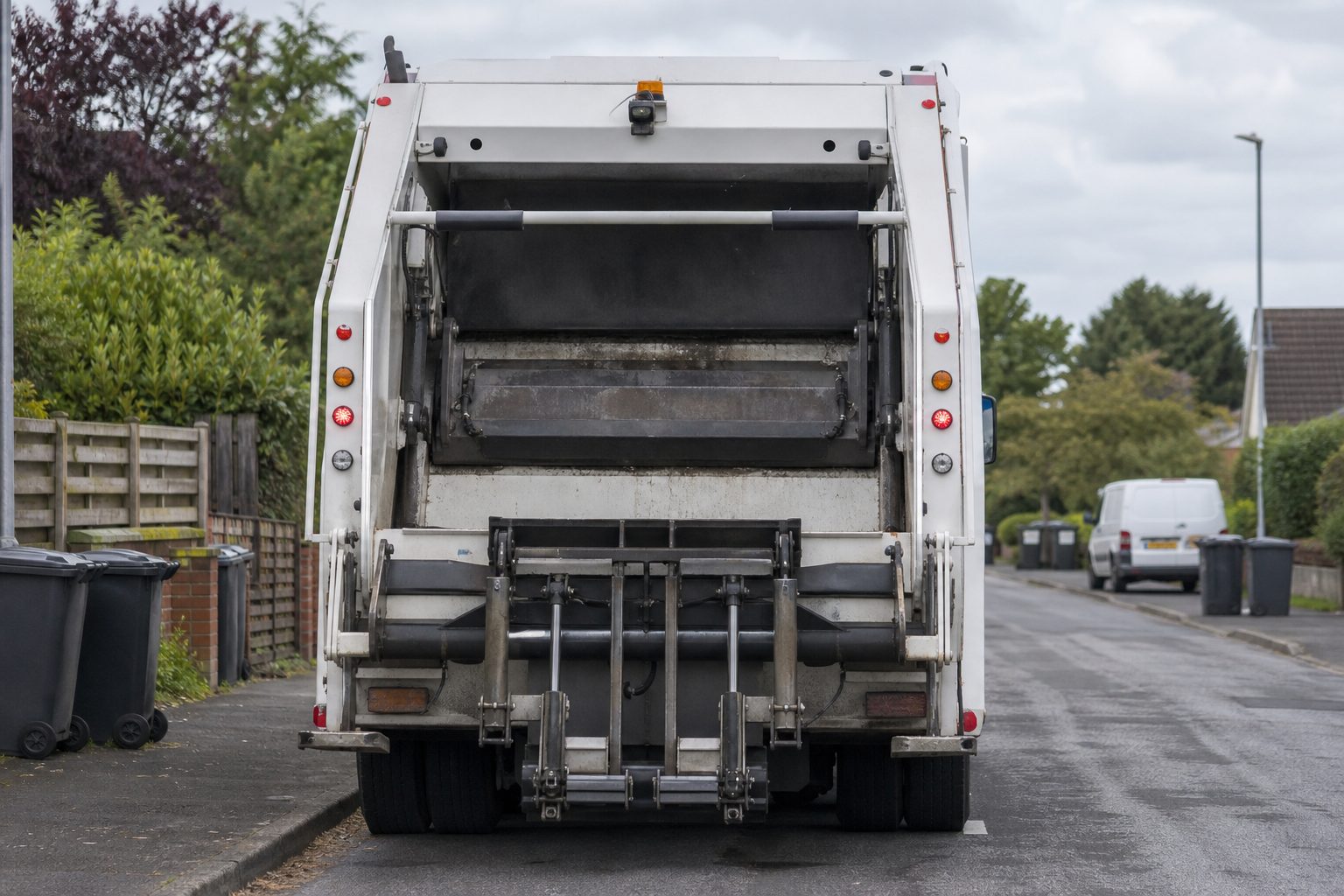
Camera configurations borrowed from logistics HGV specs do not fit refuse truck operations. A logistics HGV reverses into defined bays, carries no crew on foot alongside the vehicle, and does not have a mechanical loading arm that creates a crush zone at the rear. Refuse collection vehicles do all of these things, on every shift, […]
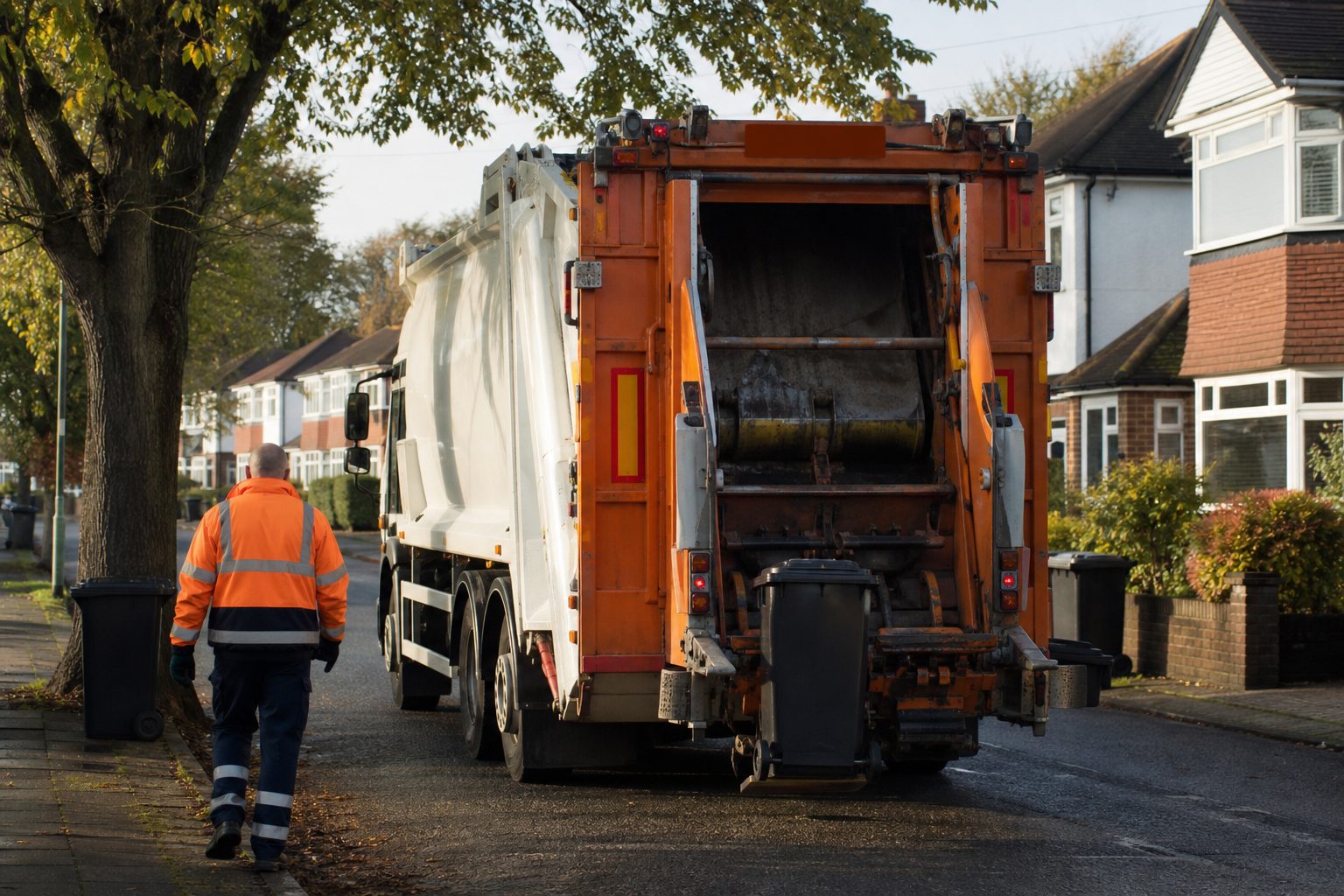
No sector of commercial vehicle operation has a worse serious injury and fatality rate than waste and recycling. The combined fatal and major injury rate in the waste sector is more than four times the average across all UK industries — a figure that reflects not bad luck but a structural operating environment where people […]

Fleet operators fit camera systems primarily for safety and insurance purposes, but the legal value of in-vehicle recording extends beyond those two applications. Camera footage with GPS timestamp and embedded telematics data is admissible as evidence in civil courts, criminal proceedings, employment tribunals, and Traffic Commissioner public inquiries. The legal benefit is not simply that […]
Monday to Friday:
8.30am-5.30pm