

A multi-drop delivery vehicle making 60 stops in a day generates 60 potential dispute points — each address where a resident might claim the delivery was missed, damaged, or delivered to the wrong property. Managing these disputes reactively, after the driver has completed the route, with a verbal account and a handset scan record, is […]
4 August 2026

Delivery fleet insurance is expensive for structural reasons. The vehicles operate in environments with high pedestrian and cyclist density, stop and reverse dozens of times per shift in confined spaces, and carry identifiable branding that makes them easy targets for fraudulent claims. A delivery fleet manager who treats insurance as a fixed cost to be […]
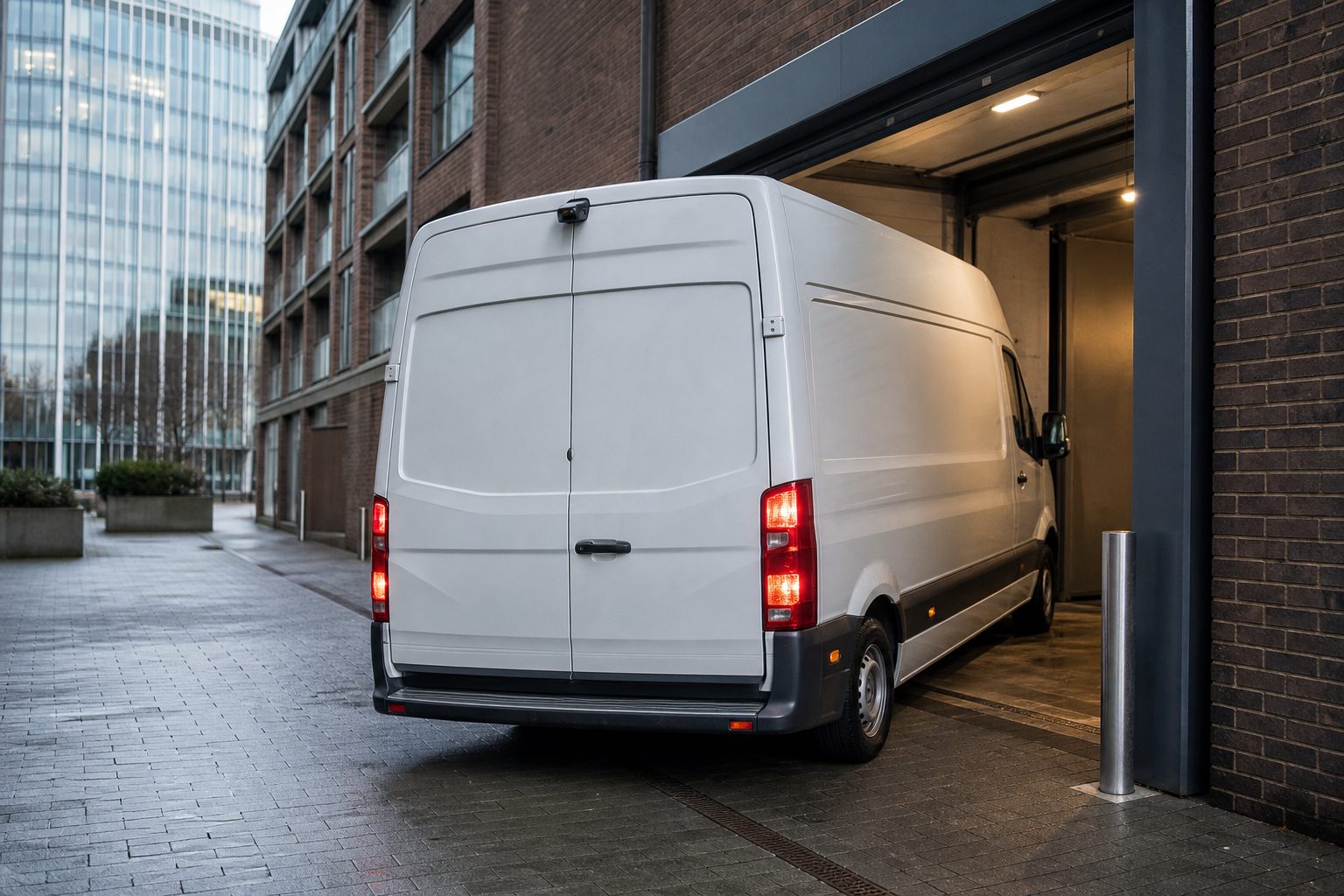
Last-mile delivery is the most hazardous phase of the logistics chain, measured by incident frequency. A long-haul driver covering 500 motorway miles encounters fewer collision risks than a multi-drop driver covering 80 miles and stopping 60 times in urban and suburban environments. Each stop is a reversing manoeuvre, a door opening into traffic, a return […]

A delivery fleet camera specification is not the same as an HGV construction fleet specification. The vehicles are different, the risk profile is different, and the compliance framework is different — particularly for van fleets under 3.5 tonnes, which fall outside the scope of DVS and FORS but carry a distinct set of operational risks […]
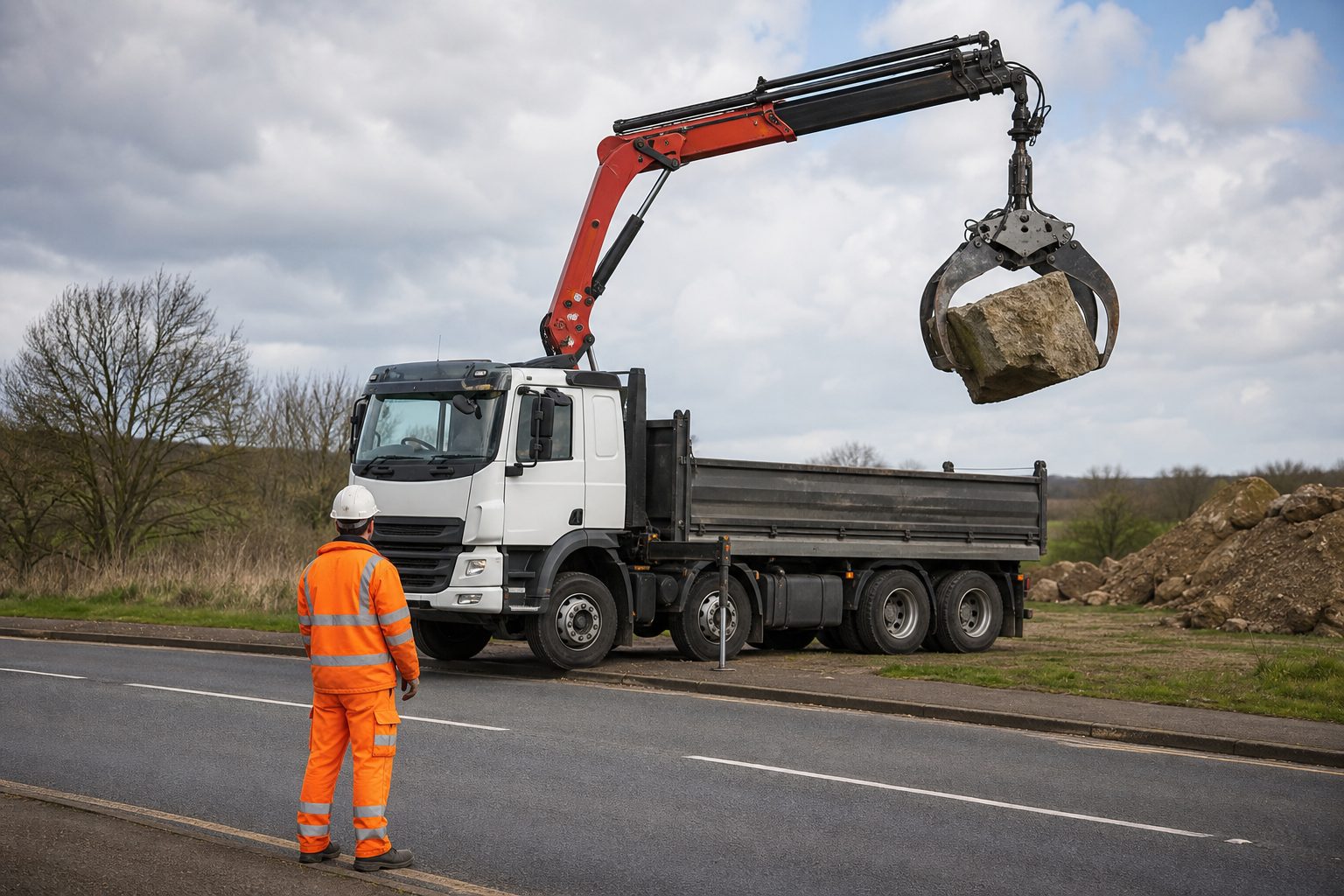
Construction fleet operators navigating the compliance landscape face the same question from different directions: what does a vehicle actually need to access a CLOCS-adopting site, satisfy a FORS Silver audit, and operate legally in Greater London? The answer involves three overlapping frameworks — CLOCS, FORS Silver, and DVS — that address related but distinct requirements. […]

Construction site incidents involving heavy vehicles are rarely caused by a single factor. They are typically the product of a combination: a vehicle in a position that the driver cannot fully see, a site worker in a zone that the banksman is not monitoring, and a movement that begins before everyone is clear. Live view […]
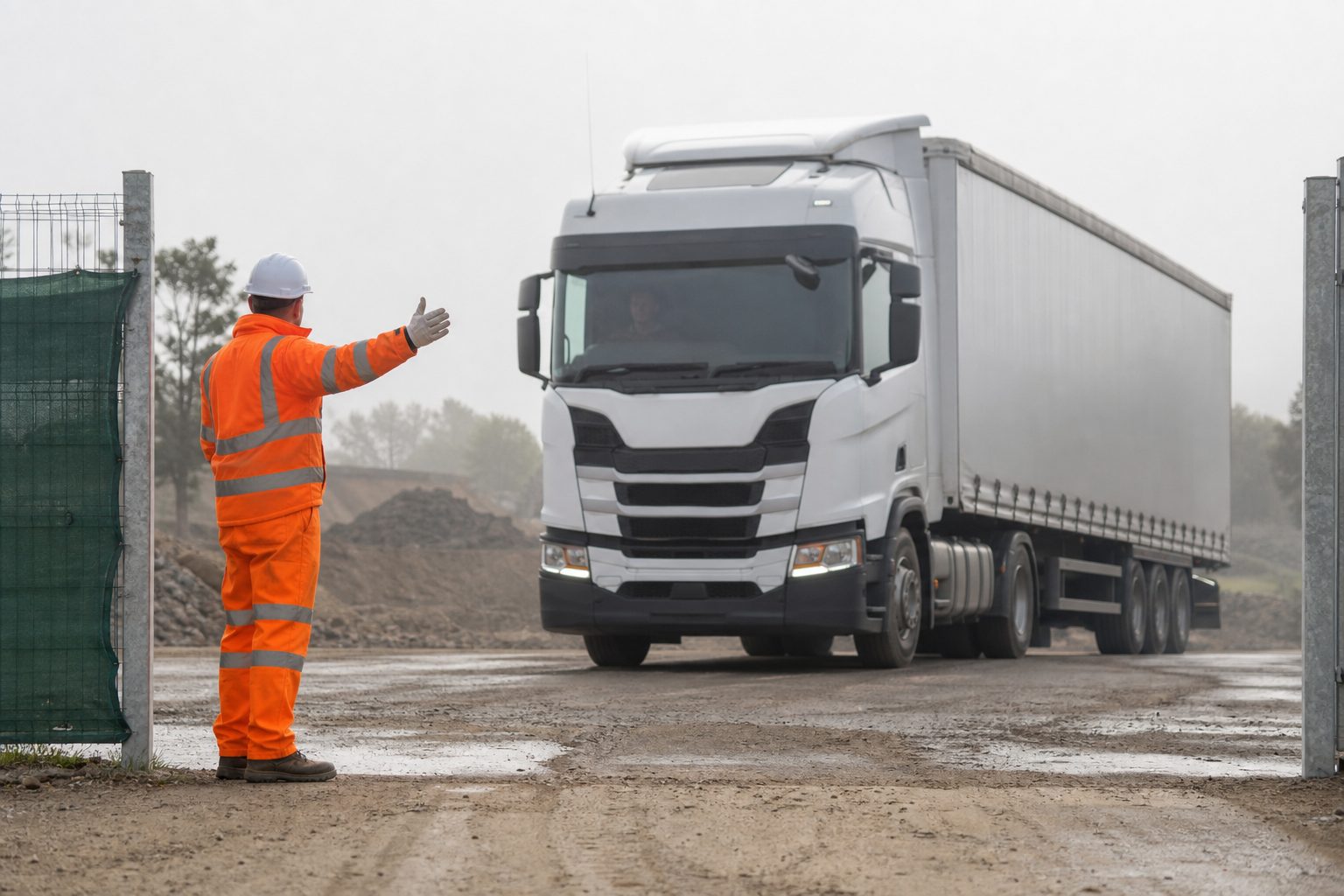
Utility and maintenance vehicles operate in an environment that combines the hazards of construction fleet operations — specialist body equipment, crew on foot alongside the vehicle — with a hazard that neither refuse nor construction vehicles face at the same scale: live traffic passing at speed. A highways maintenance crew patching a carriageway, a street […]
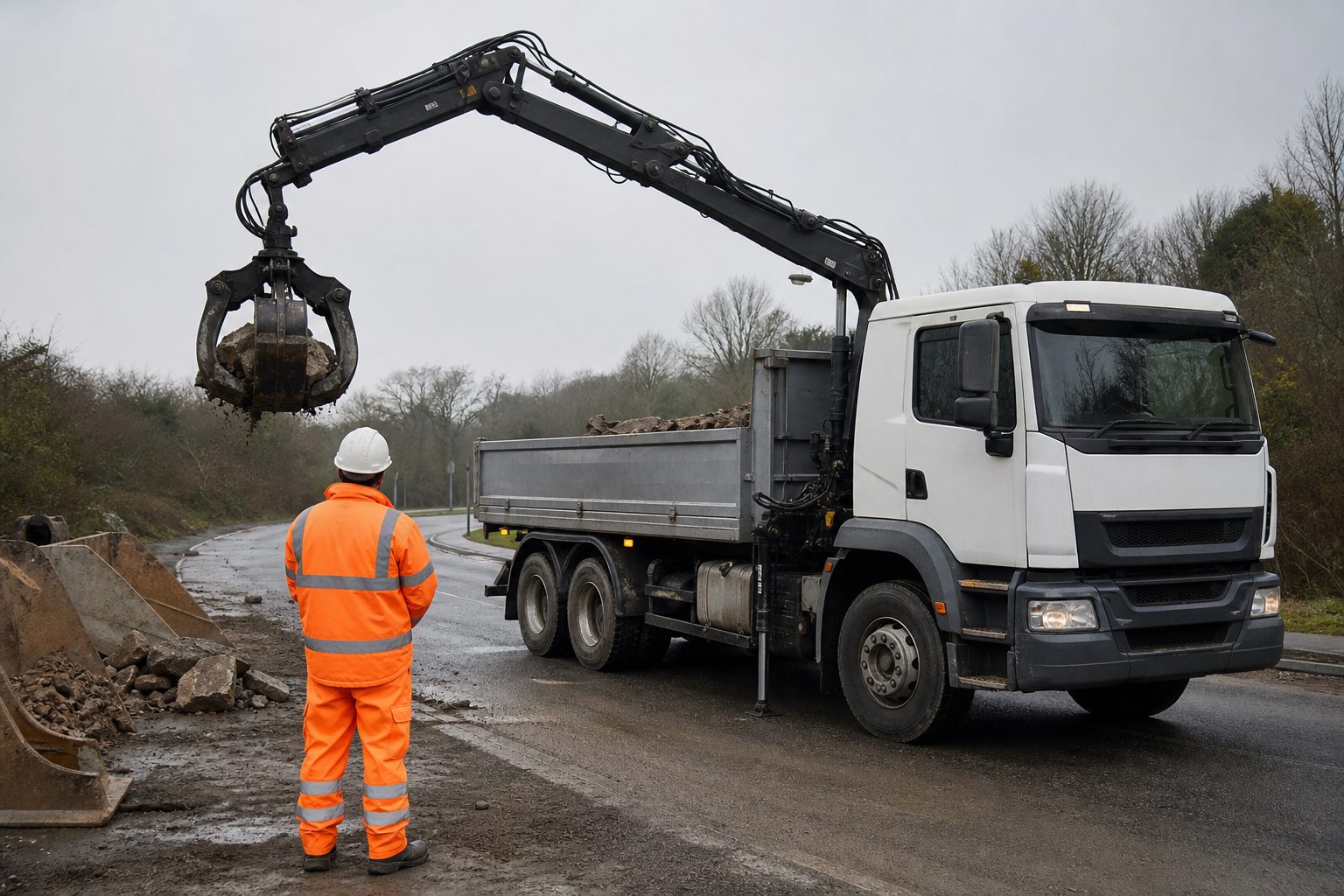
The camera specification for a construction fleet vehicle gets most of the attention in compliance discussions. The sensor specification gets less — and it is frequently where the gap between a system that passes audit and a system that works in practice is widest. A proximity sensor calibrated for road freight that generates continuous false […]

Every HGV has four defined blind zones — nearside, offside, front nearside, and rear. Construction vehicles have these plus additional blind zones created by specialist bodies: the underside of a raised tipping body, the extended drum profile of a concrete mixer, the lateral sweep zone of a tipper grab arm. They also operate in environments […]

Construction vehicles spend a significant portion of each working day stationary on site — waiting in queue for a concrete pour cycle, at an aggregate stockpile, or positioning for a tipper grab load. That dwell time is invisible to the operations desk. GPS shows the vehicle stationary, no movement events generate, no alerts fire. The […]
Monday to Friday:
8.30am-5.30pm