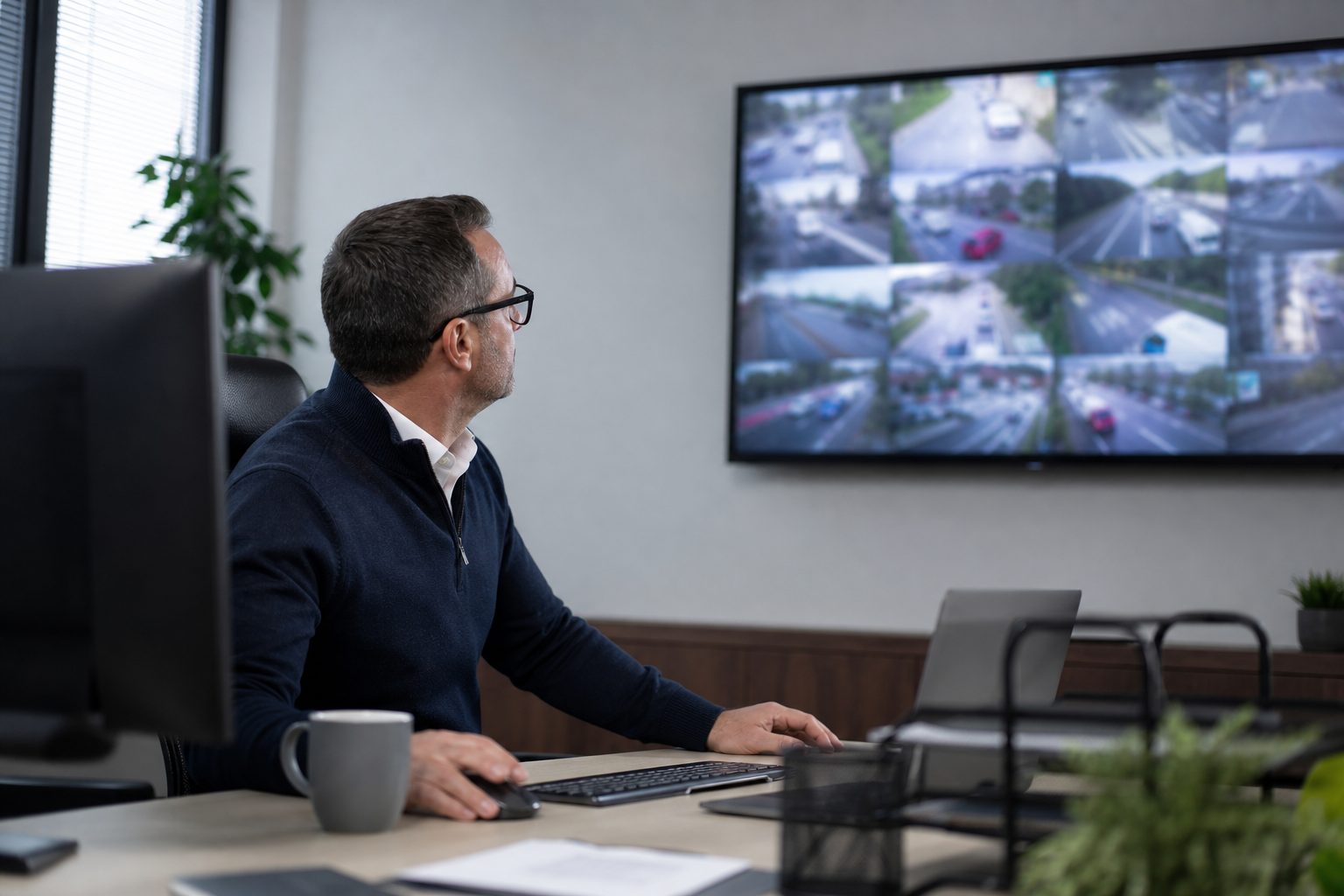
From Satellite to Screen in Under a Second Real-time GPS tracking is the technology that allows a transport manager to open a platform dashboard and see the current location of every vehicle in the fleet, updated as the vehicles move. The position data is accurate to within a few metres. It updates continuously. And it […]
4 August 2026
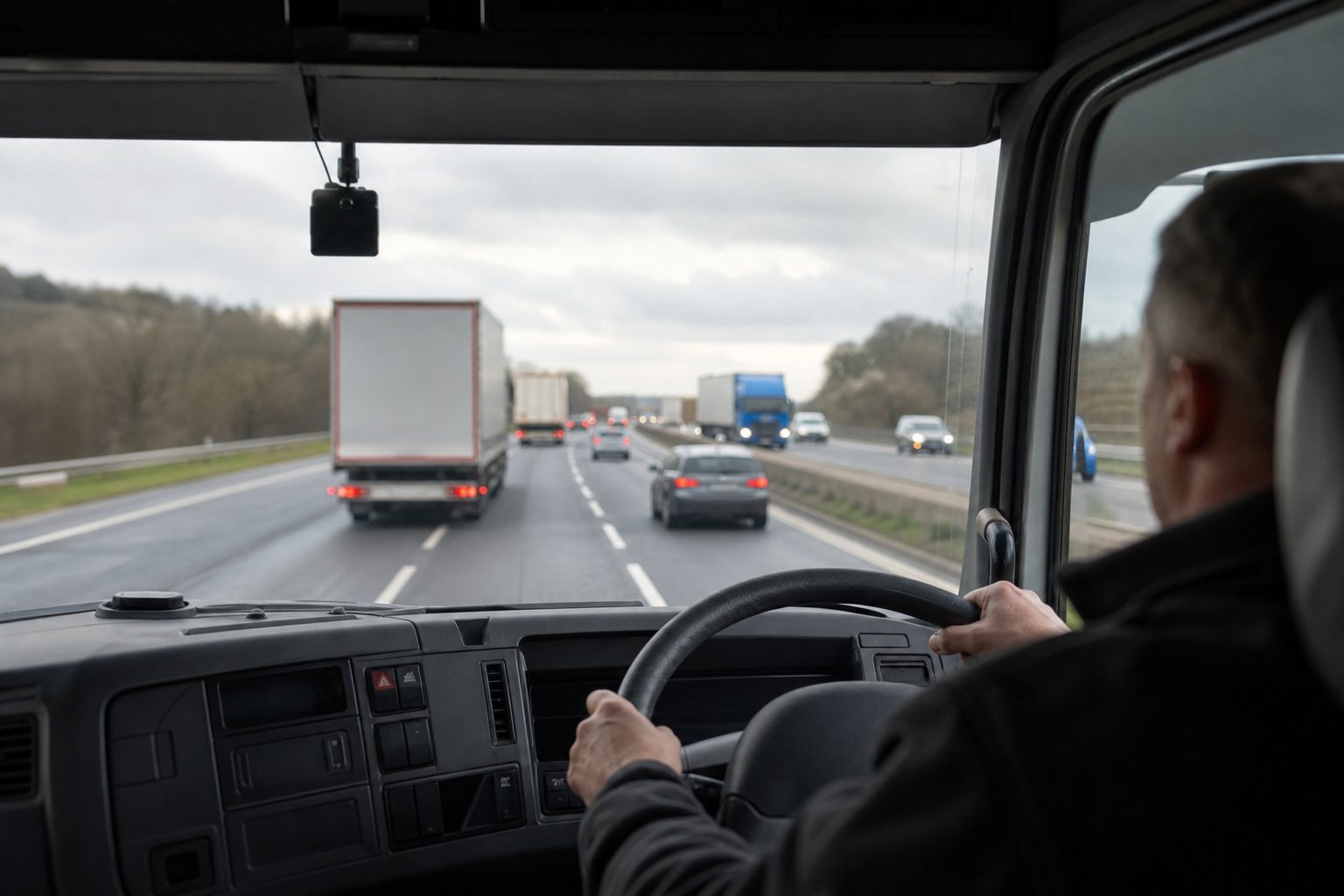
The Morning Difference A transport manager without remote monitoring starts the working day with a lag. Vehicles departed an hour ago and the manager knows only what drivers have called in. A vehicle that stopped unexpectedly at 6am is not known about until 7am when the driver could not reach it. A near-miss at 6:30am […]
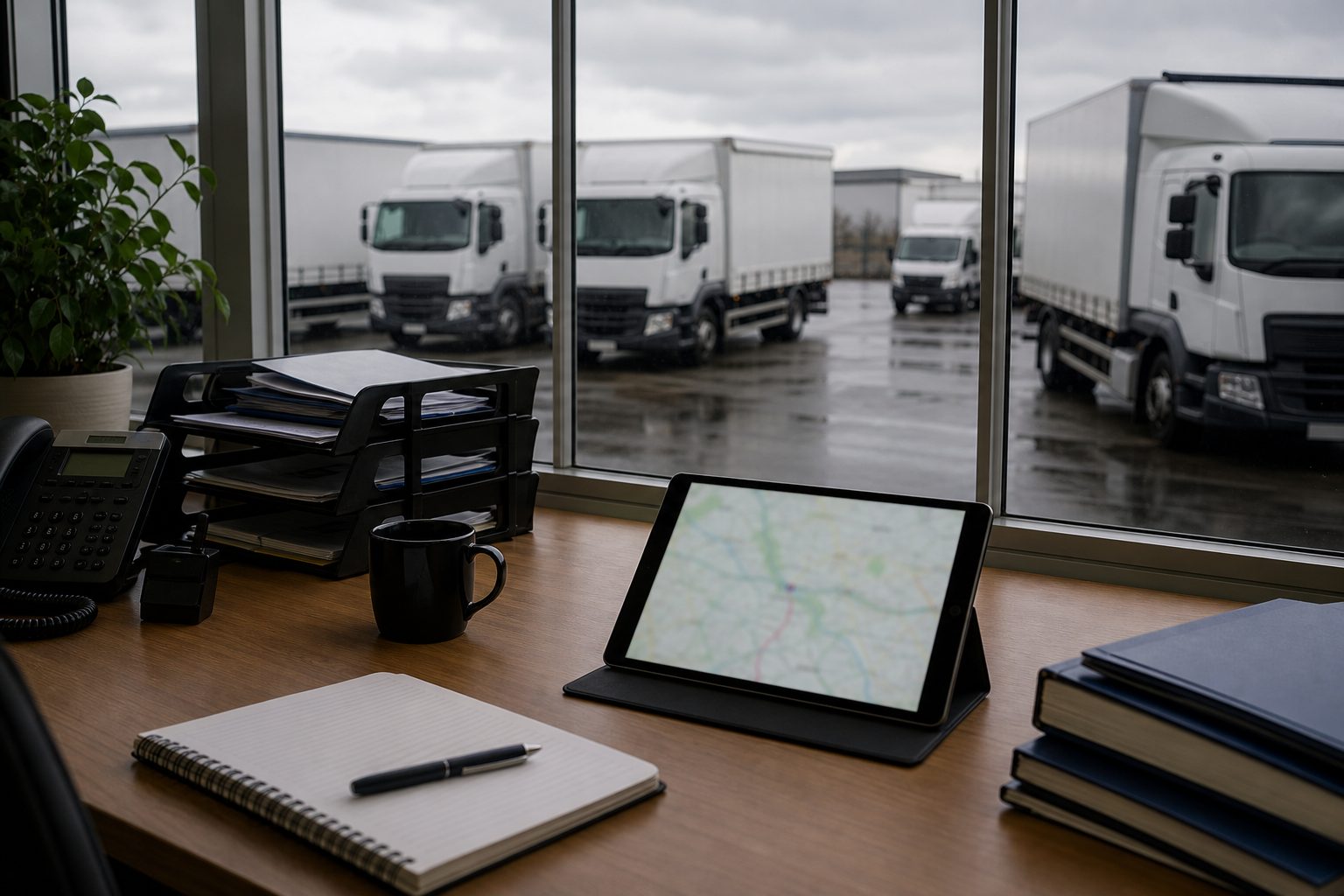
What “Prevented” Actually Means in Practice When fleet managers describe incidents that live monitoring prevented, they are describing a specific pattern: a situation that was moving toward a bad outcome, interrupted by information that was only available because someone could see what was happening in real time. The transport manager made a call, or checked […]
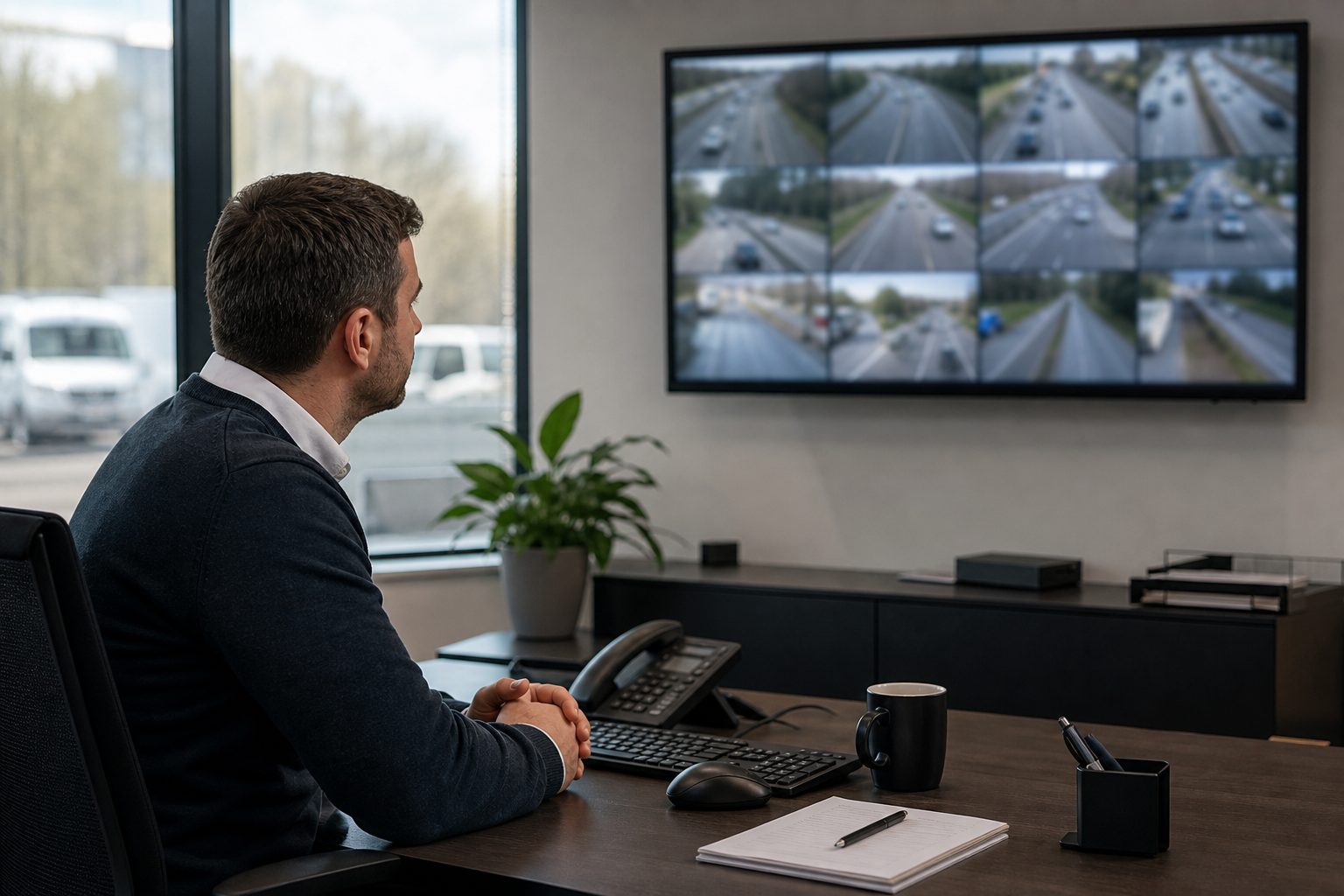
Why Drivers Behave Differently When They Know They Can Be Seen Fleet safety research consistently identifies the same mechanism at work when camera systems reduce accident rates: drivers who know their behaviour can be observed drive differently, even when nobody is actively watching. This is not unique to fleet monitoring — it reflects a well-documented […]
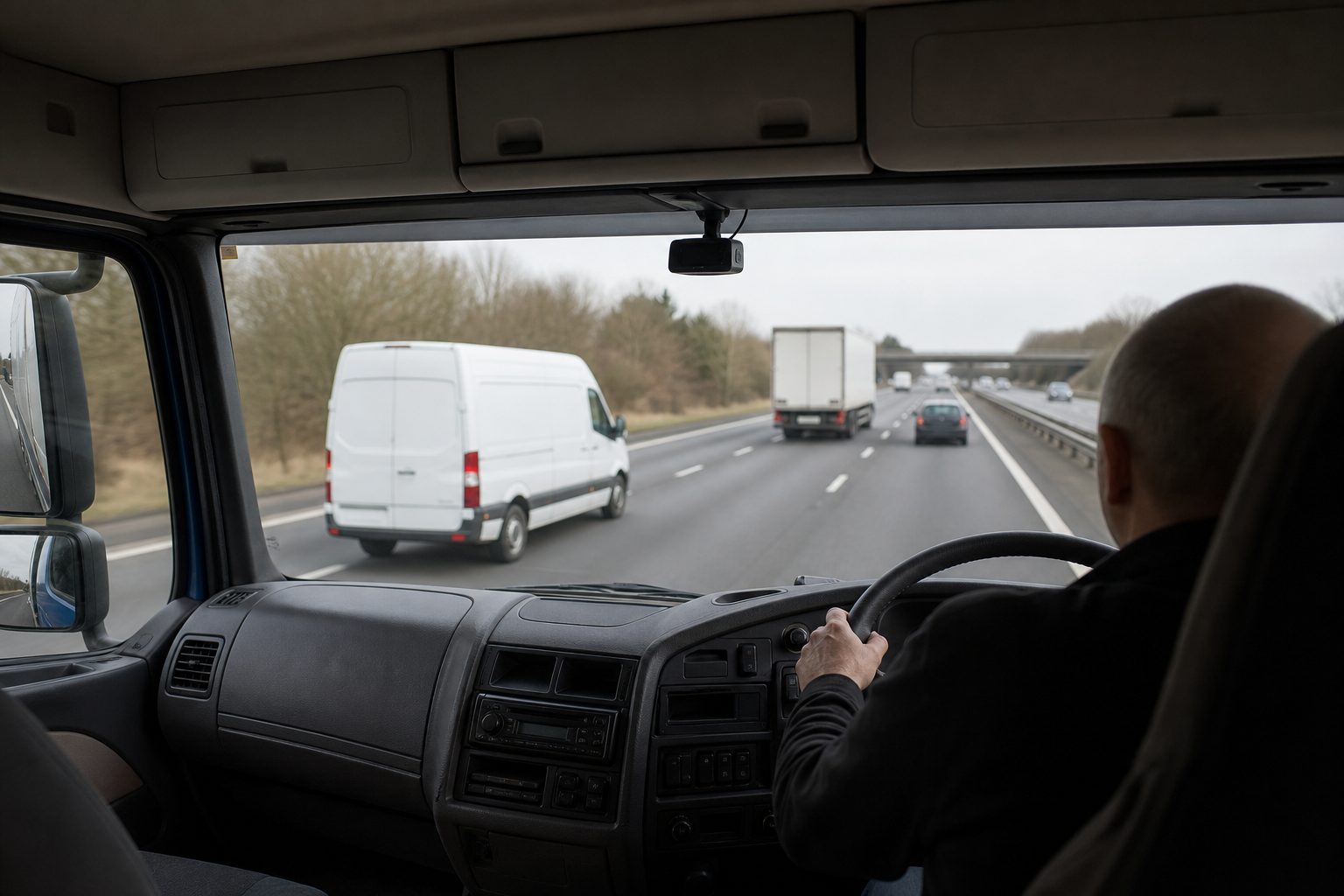
Two Capabilities, One System Fleet managers specifying a connected MDVR system often encounter live view and recorded footage as two separate features — one that streams what is happening now, one that stores what happened earlier. The instinct is to compare them and decide which matters more. That instinct leads to a false choice. Live […]
The Difference Between Watching After and Watching While There are two ways camera systems reduce fleet accidents. The first is retrospective: the footage record creates accountability, drivers know their behaviour is being recorded, and the quality of driving improves because of it. The second is active: live monitoring enables intervention while the vehicle is moving […]
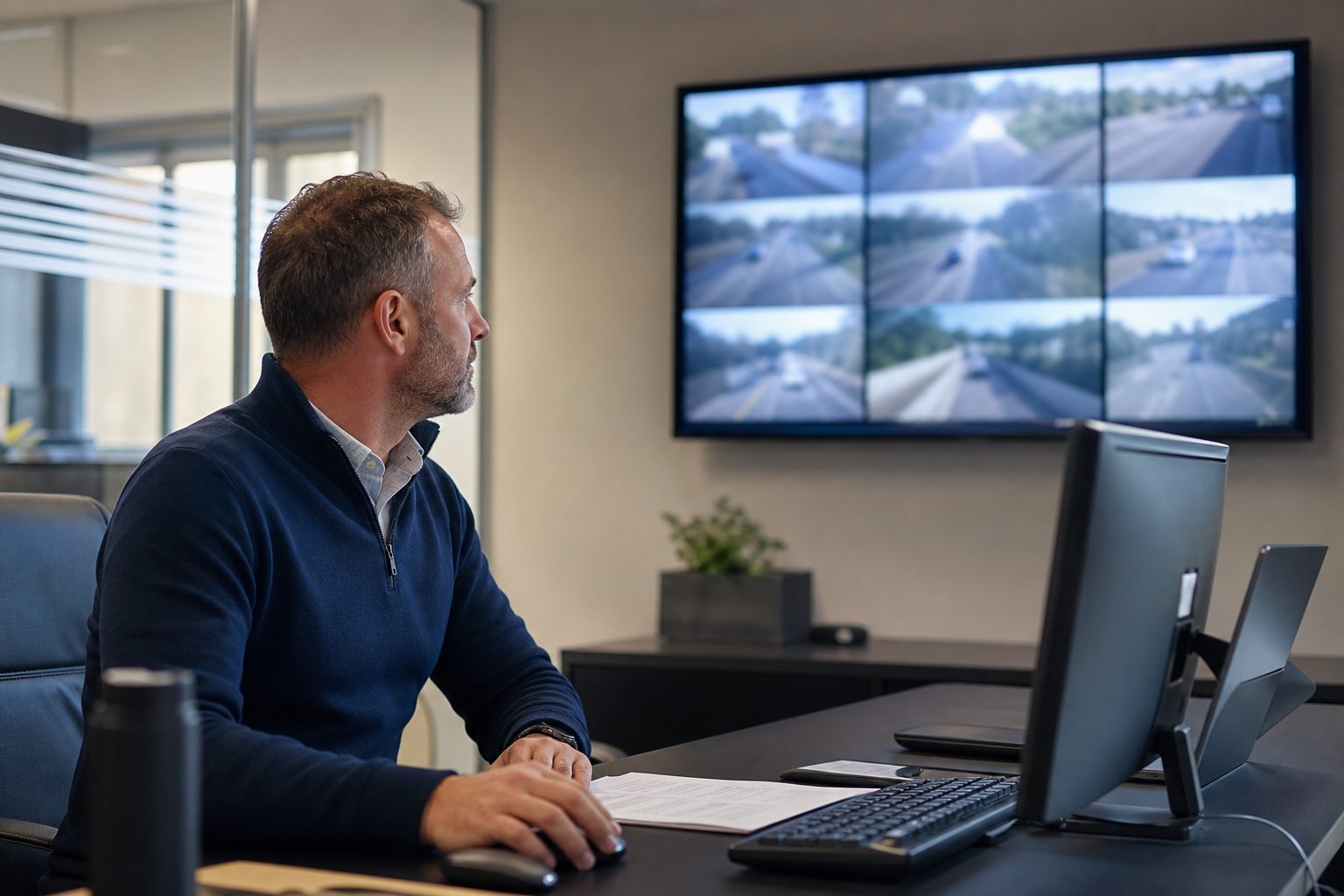
Seeing What Is Happening on Your Fleet Right Now Live view fleet monitoring is the capability that allows a transport manager to open a platform dashboard and watch live camera footage from any vehicle in the fleet, at any point during the working day. Not recorded footage from earlier — the view from the vehicle’s […]
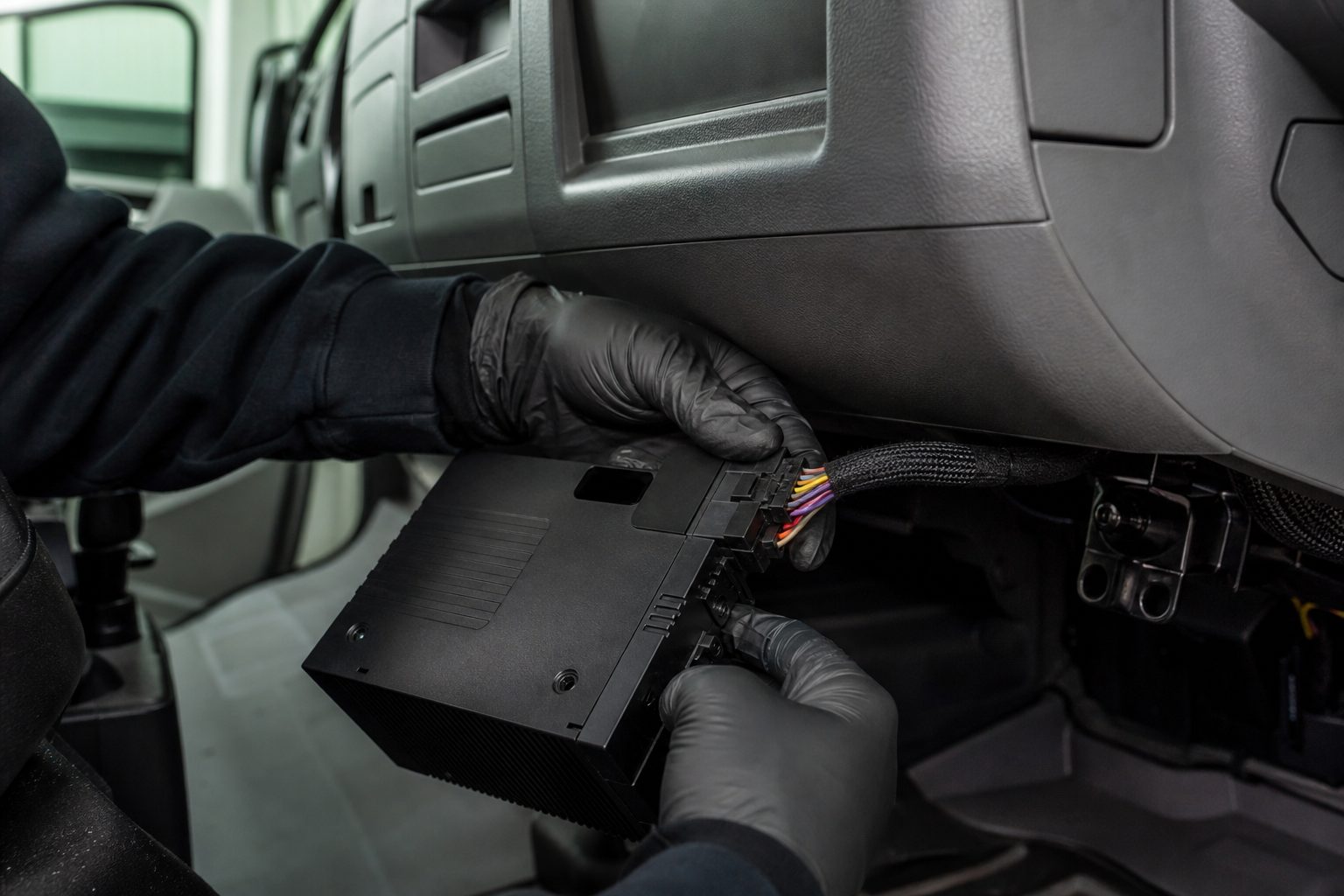
The Specification Decision That Most Fleet Managers Get Wrong The most common MDVR specification mistake is not choosing the wrong system — it is choosing a system based on the smallest vehicle in the fleet rather than the most demanding use case. A 4-channel MDVR that works well on a small van does not scale […]
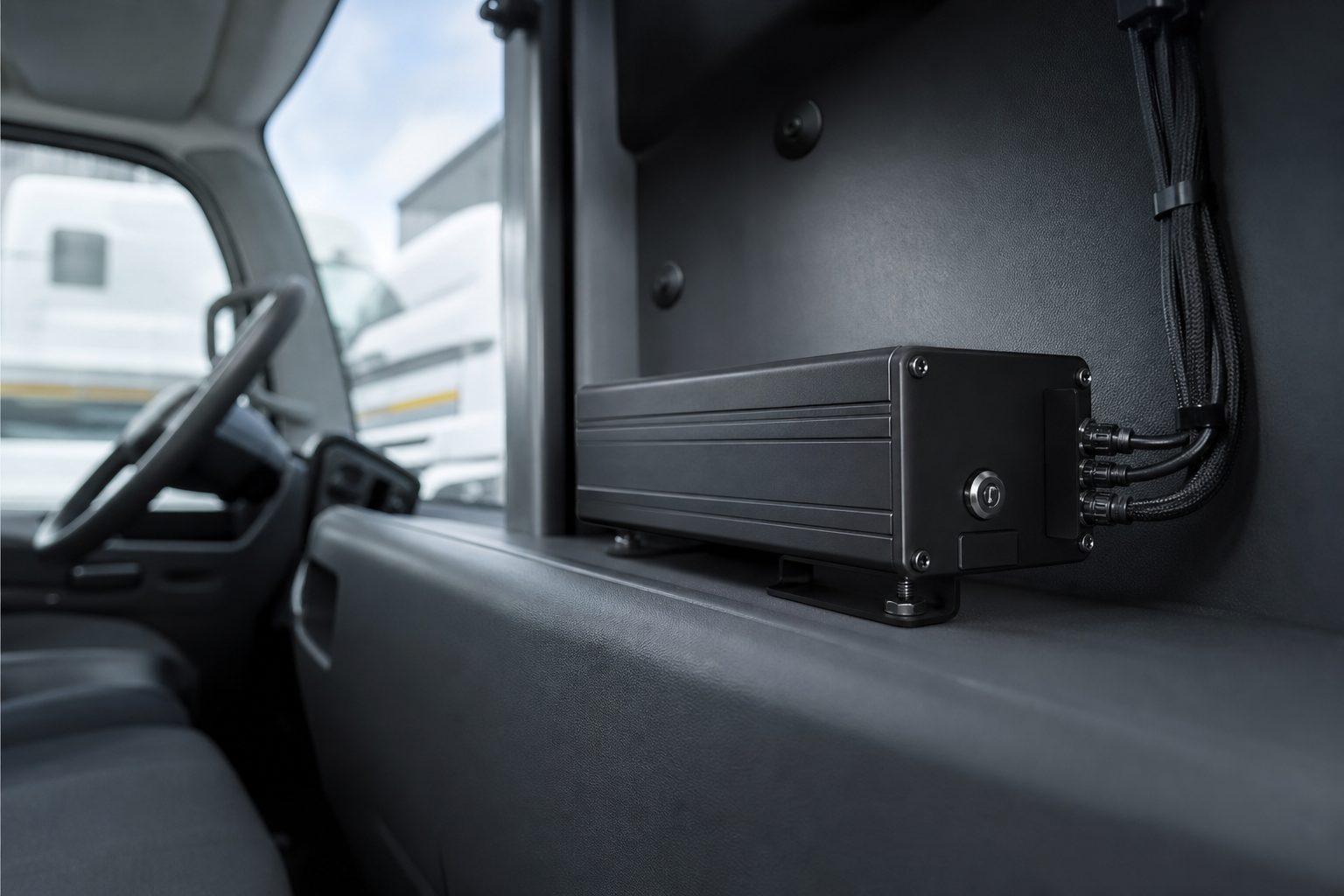
The Camera Challenge on a Construction Site Fleet Construction vehicles operate in two distinct environments: public roads, where DVS and standard HGV regulations apply, and construction sites, where CLOCS requirements govern entry and where the hazards — banksmen, plant operators, pedestrians in PPE moving around the vehicle — are different from road-based risks. A camera […]
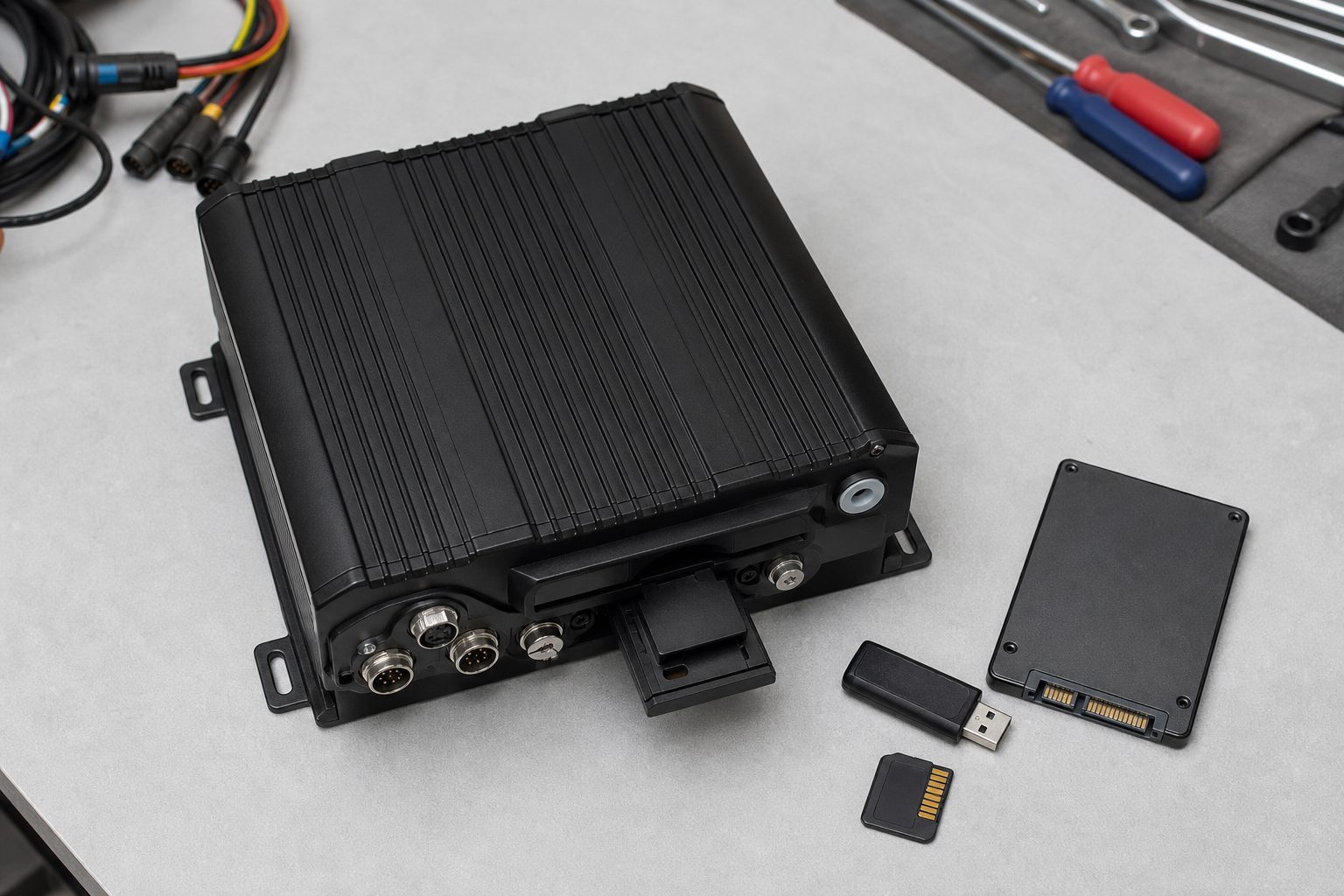
Why Waste Collection Vehicles Need a Different Camera Configuration A refuse lorry presents a camera challenge that a standard commercial vehicle does not. The vehicle stops hundreds of times a day in residential and commercial streets. Crew members work outside the vehicle at the rear, at the nearside, and around the bin lift. Pedestrians, cyclists, […]
Monday to Friday:
8.30am-5.30pm