
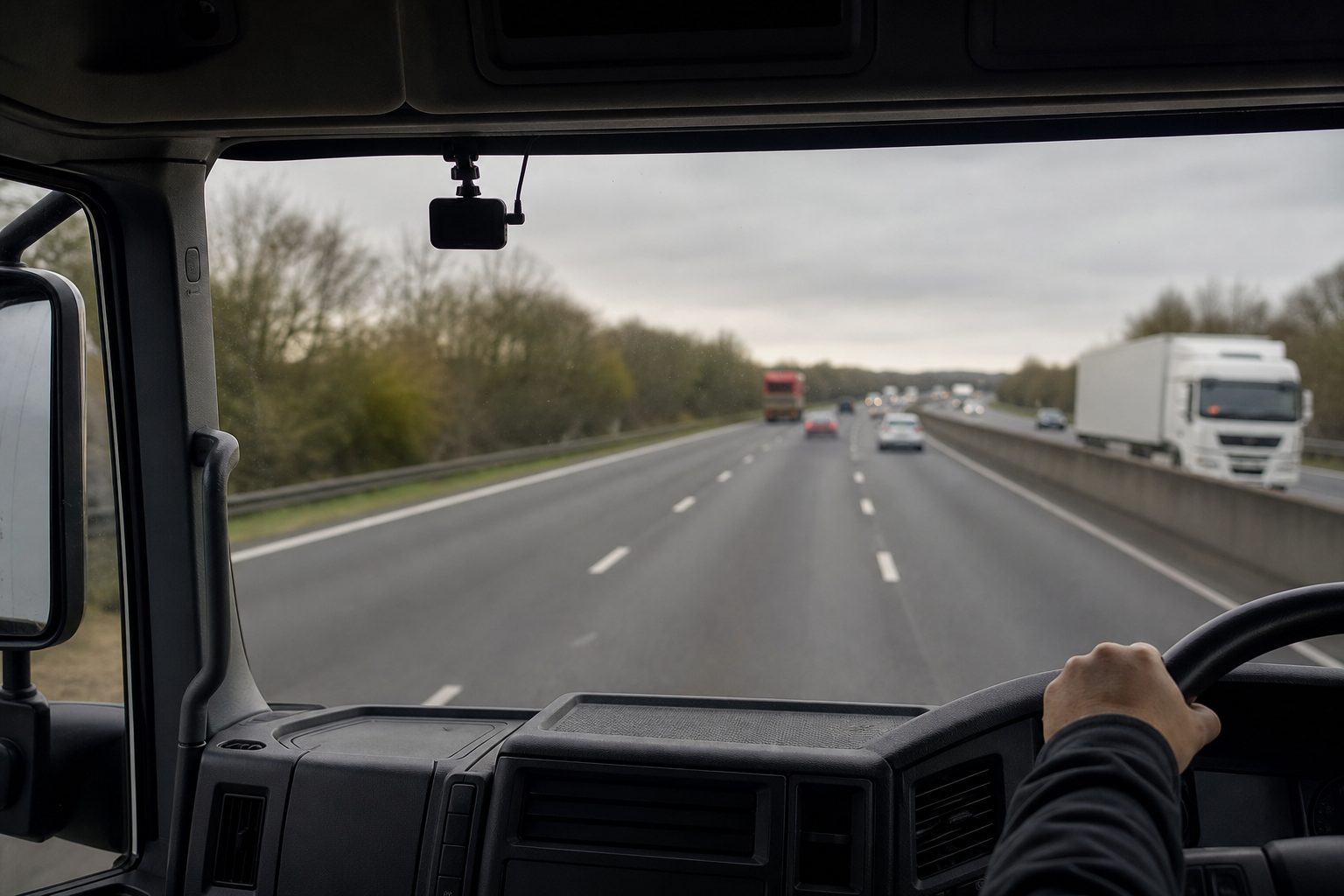
What Is Live View and Why Do PSV Operators Need It? Something has just happened on your route 42 coach. A passenger reports an incident at the front of the vehicle. Your driver’s account is one version of events. The third party’s version — already submitted to insurers — is something different entirely. Without live […]
4 August 2026
Deliveries Are Where the Claims Come From Last-mile delivery fleets generate a disproportionate share of the incidents, disputes, and insurance claims that fleet managers deal with. Not because the driving is inherently more dangerous — though urban density and time pressure create a genuinely higher-risk environment — but because each delivery is a discrete event […]
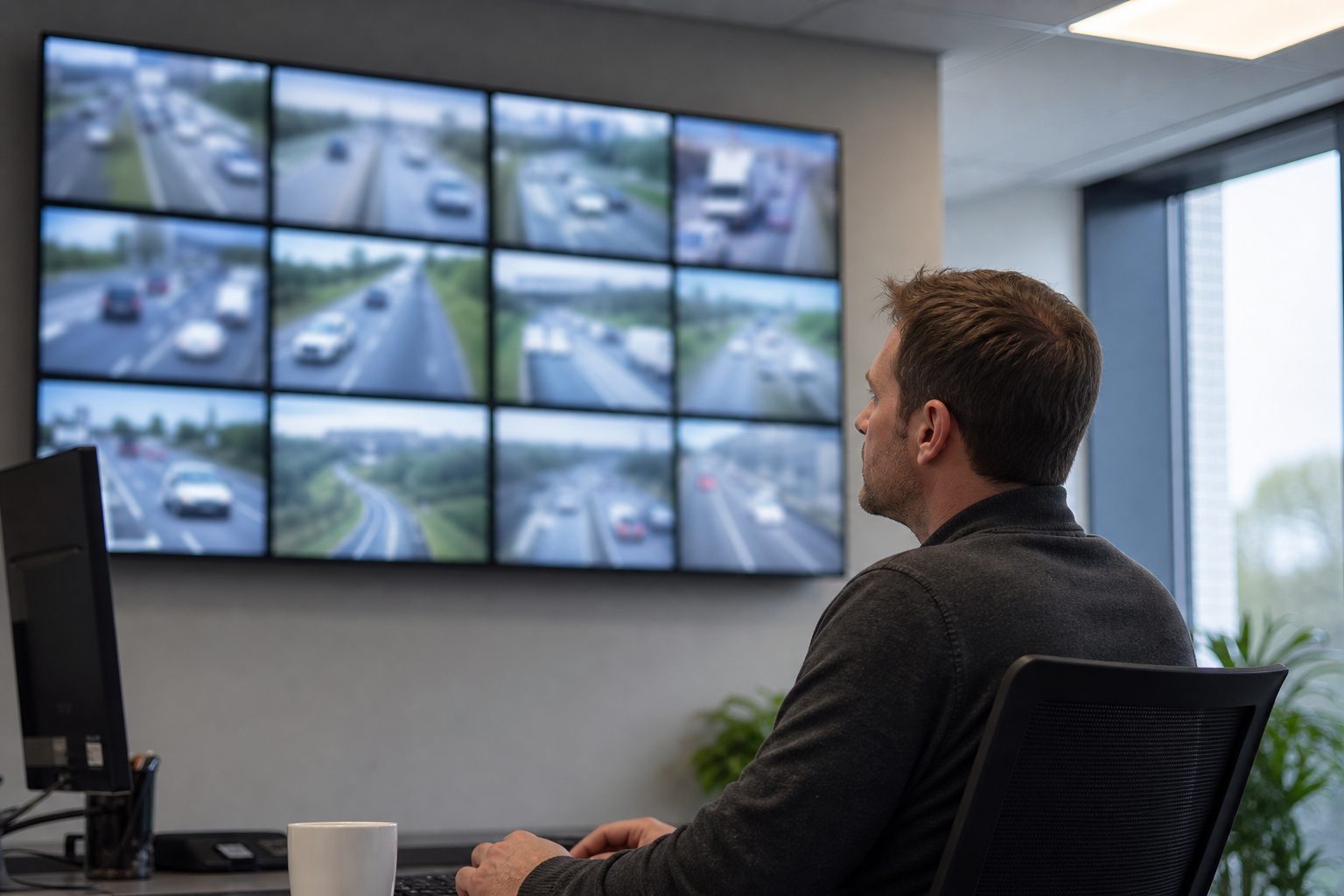
When the Vehicle Is at the Site and You Are Not Construction vehicles present a monitoring challenge that most other fleet types do not: the vehicle often leaves the depot in the morning and stays at a construction site for the rest of the day, or for days at a time. The transport manager’s line […]
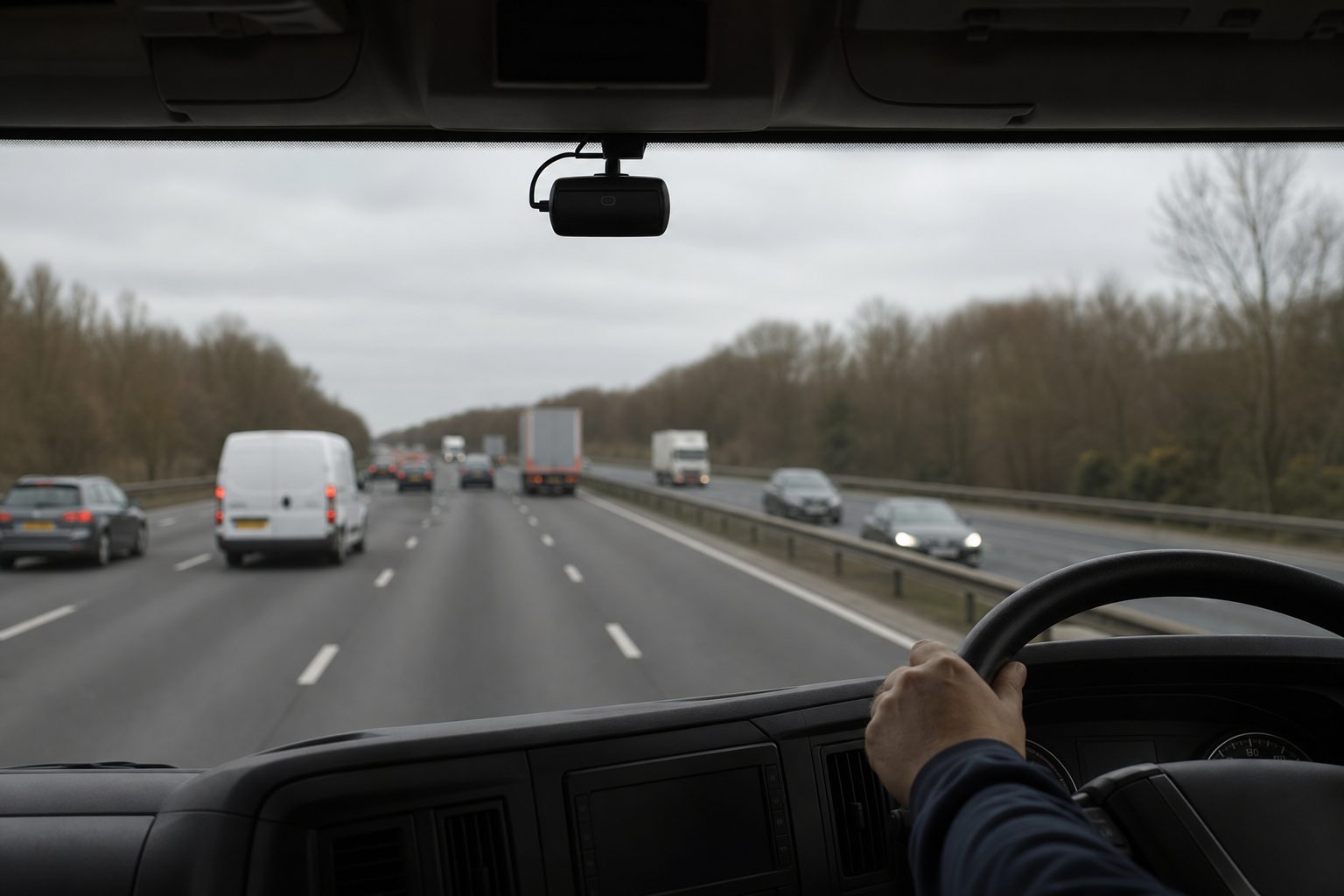
Why Waste Collection Needs More Than Recorded Footage A refuse lorry makes hundreds of stops per day. Crew members work outside the vehicle at the rear and nearside at each collection point. Pedestrians, cyclists, and parked vehicles are present throughout the route. The vehicle reverses regularly, often in restricted residential streets where visibility is limited. […]
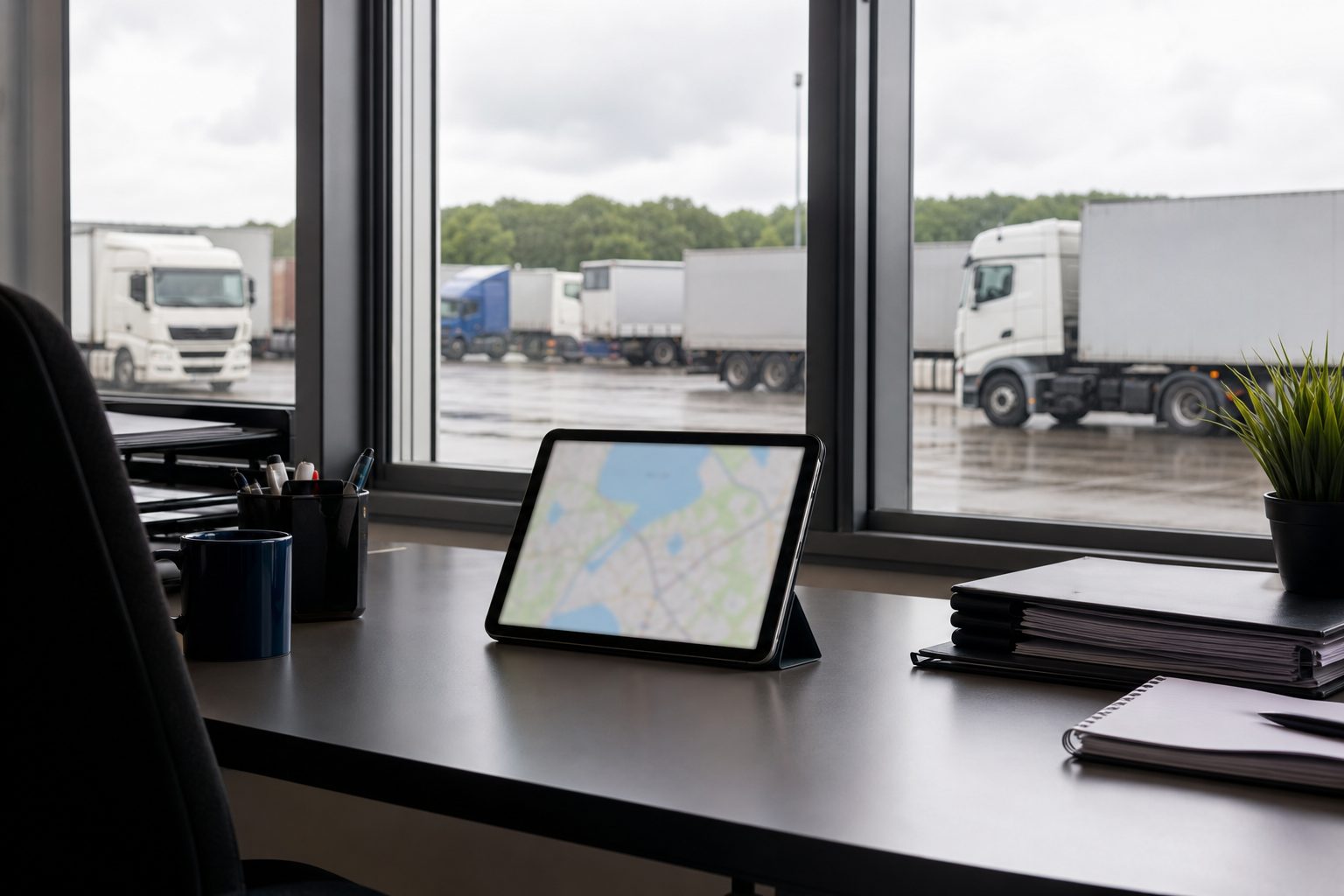
The Gap Between Alert and Outcome A collision is not an event — it is a sequence. Something happens before: a driver who is distracted, a following distance that has been too short for the last ten minutes, a risky overtake on a difficult stretch of road. Something happens after: an impact, a near-miss, a […]
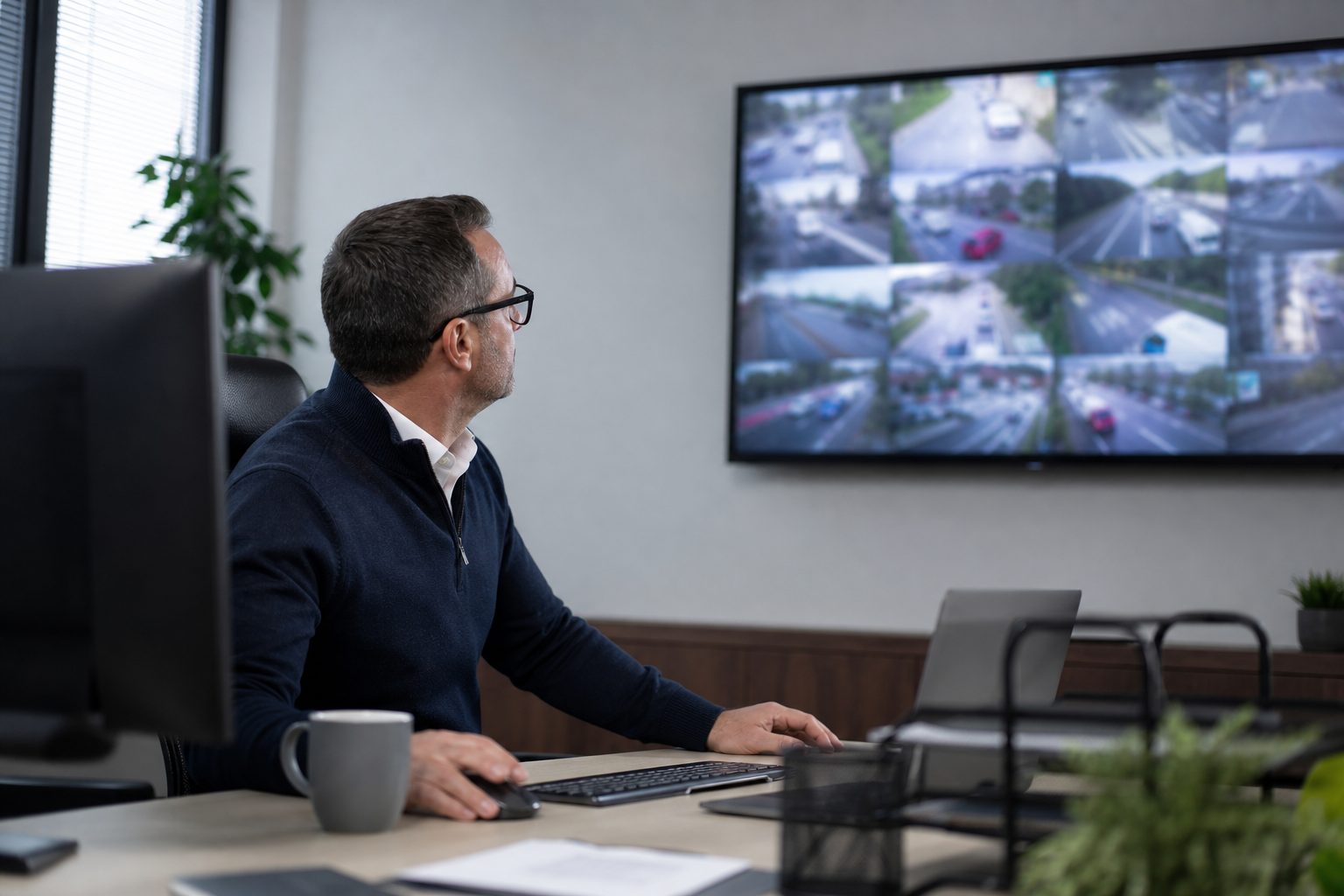
From Satellite to Screen in Under a Second Real-time GPS tracking is the technology that allows a transport manager to open a platform dashboard and see the current location of every vehicle in the fleet, updated as the vehicles move. The position data is accurate to within a few metres. It updates continuously. And it […]
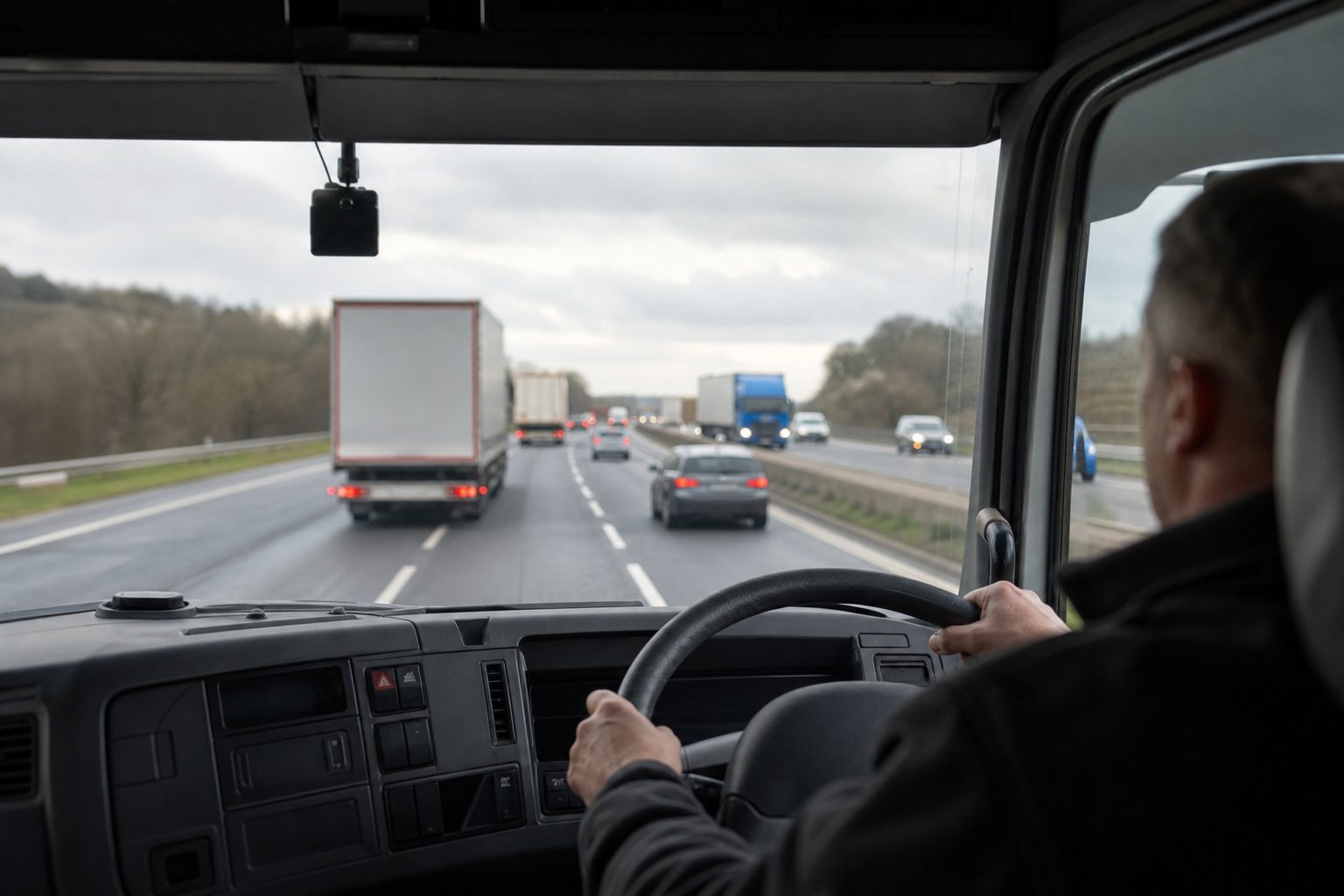
The Morning Difference A transport manager without remote monitoring starts the working day with a lag. Vehicles departed an hour ago and the manager knows only what drivers have called in. A vehicle that stopped unexpectedly at 6am is not known about until 7am when the driver could not reach it. A near-miss at 6:30am […]
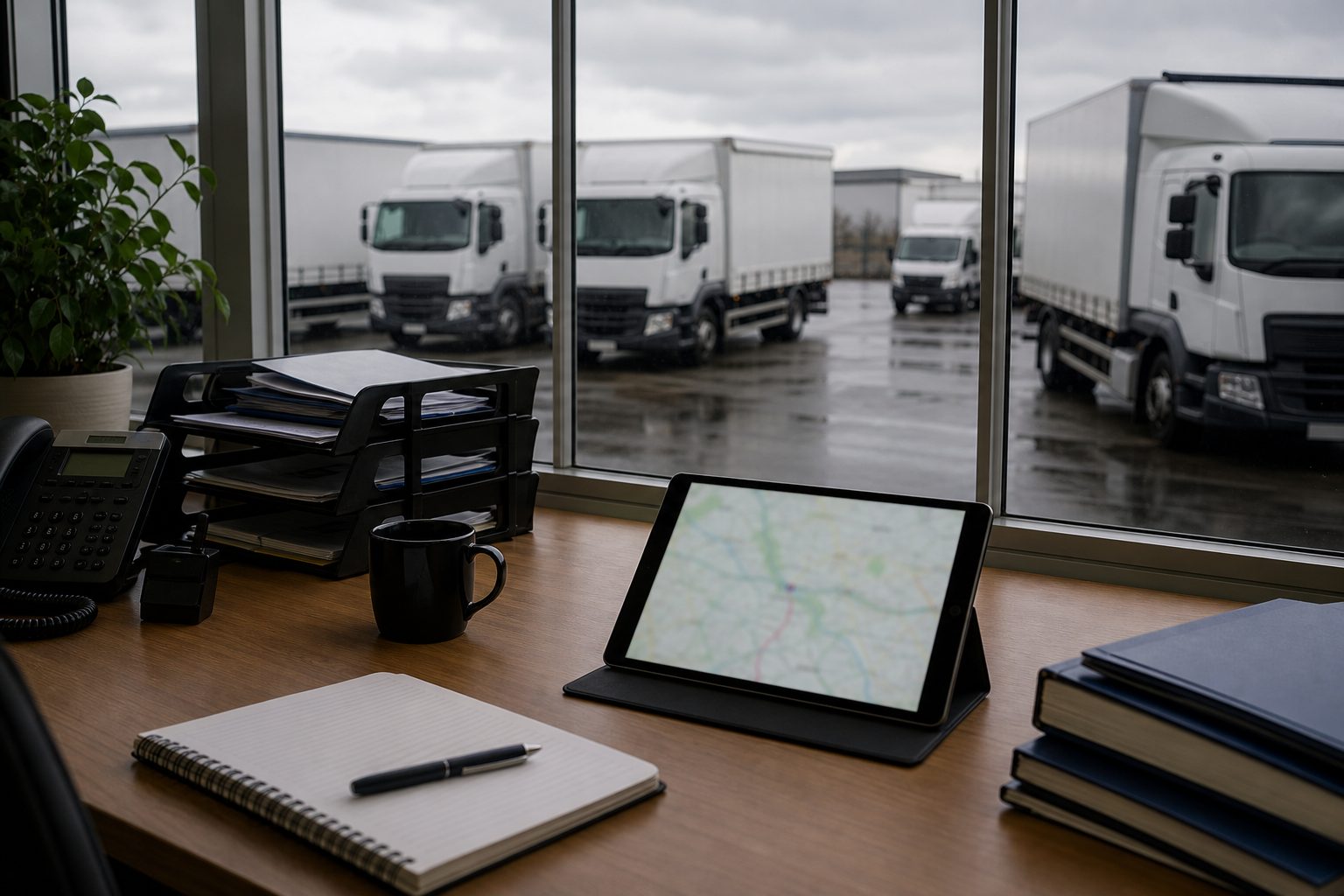
What “Prevented” Actually Means in Practice When fleet managers describe incidents that live monitoring prevented, they are describing a specific pattern: a situation that was moving toward a bad outcome, interrupted by information that was only available because someone could see what was happening in real time. The transport manager made a call, or checked […]
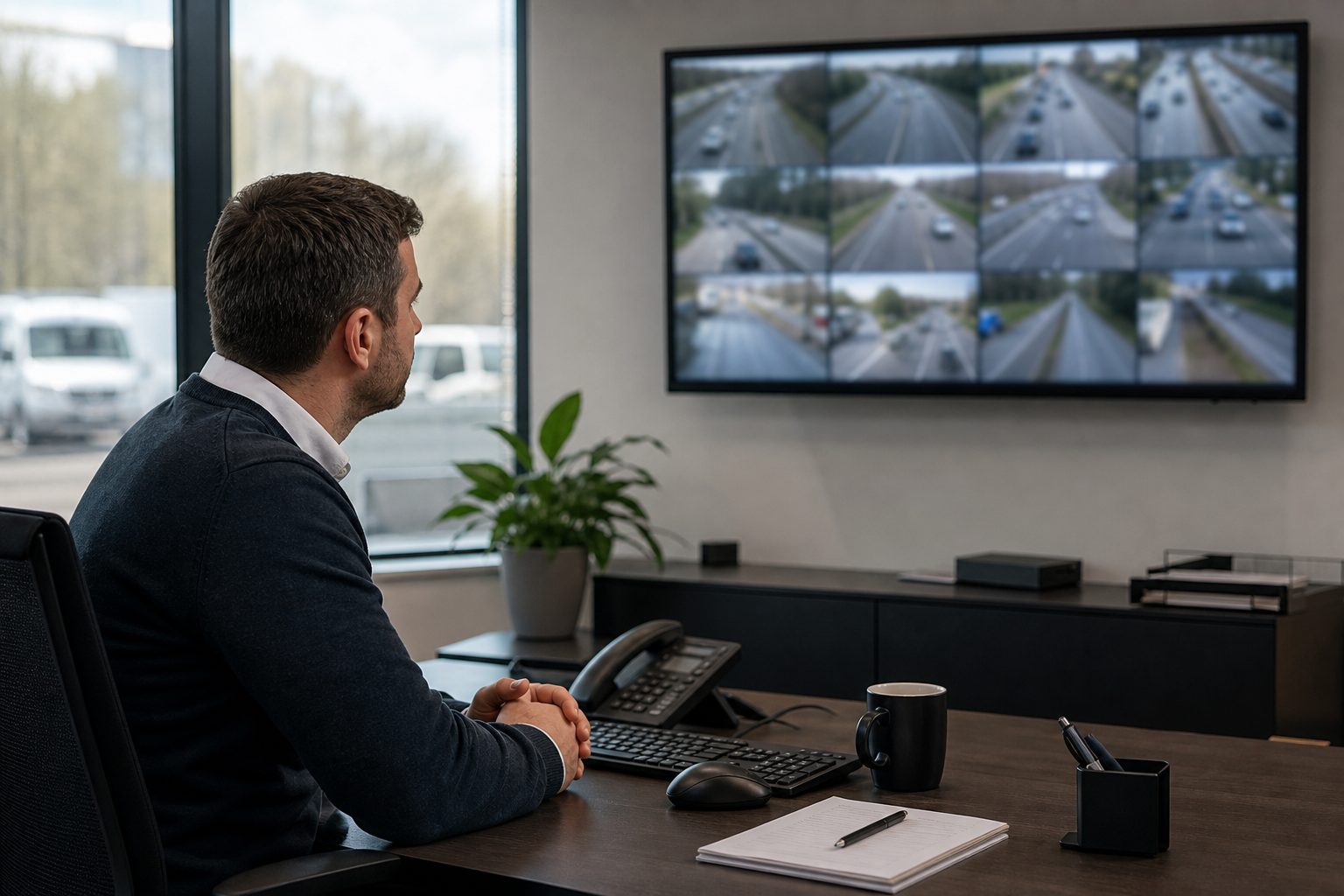
Why Drivers Behave Differently When They Know They Can Be Seen Fleet safety research consistently identifies the same mechanism at work when camera systems reduce accident rates: drivers who know their behaviour can be observed drive differently, even when nobody is actively watching. This is not unique to fleet monitoring — it reflects a well-documented […]
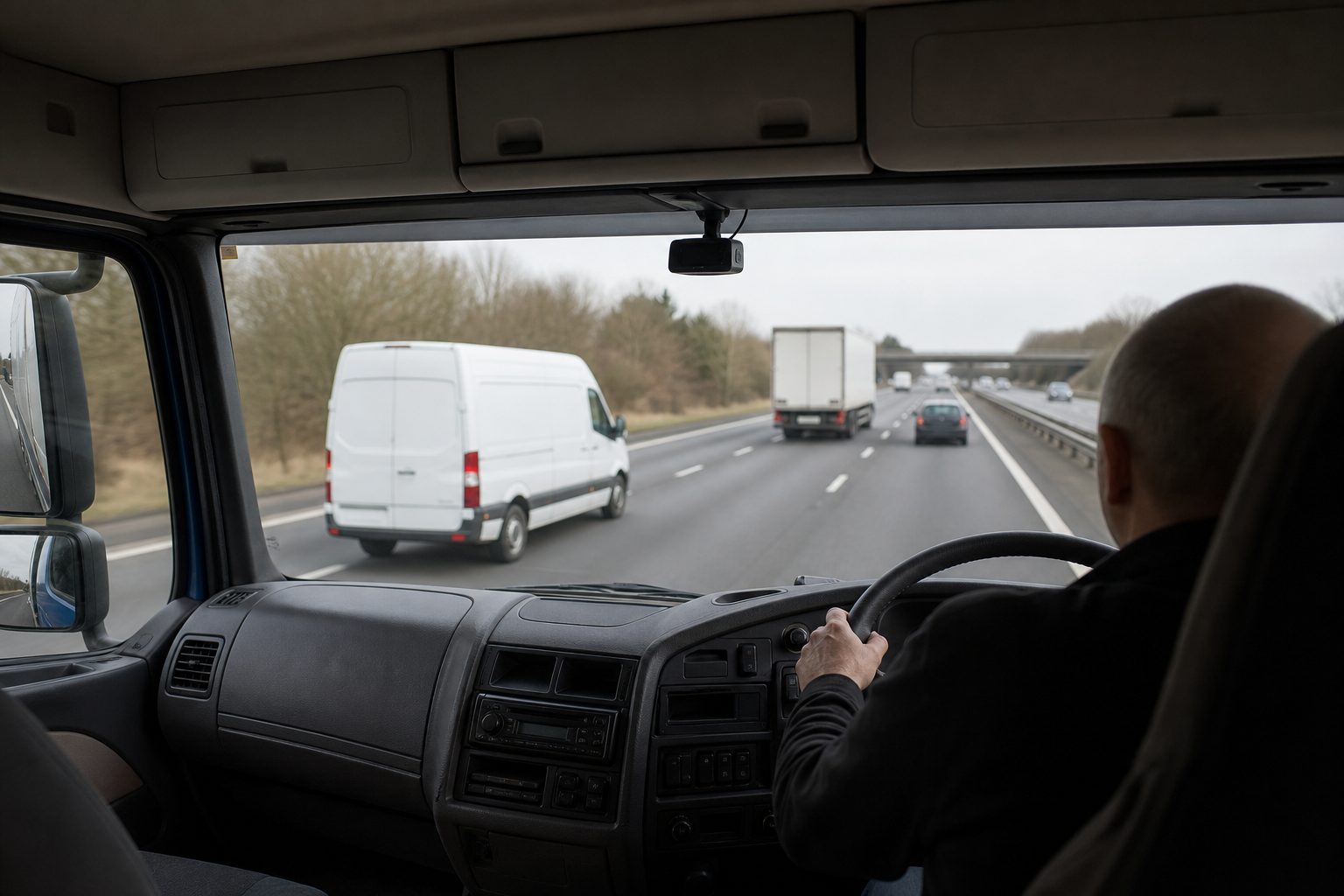
Two Capabilities, One System Fleet managers specifying a connected MDVR system often encounter live view and recorded footage as two separate features — one that streams what is happening now, one that stores what happened earlier. The instinct is to compare them and decide which matters more. That instinct leads to a false choice. Live […]
Monday to Friday:
8.30am-5.30pm