
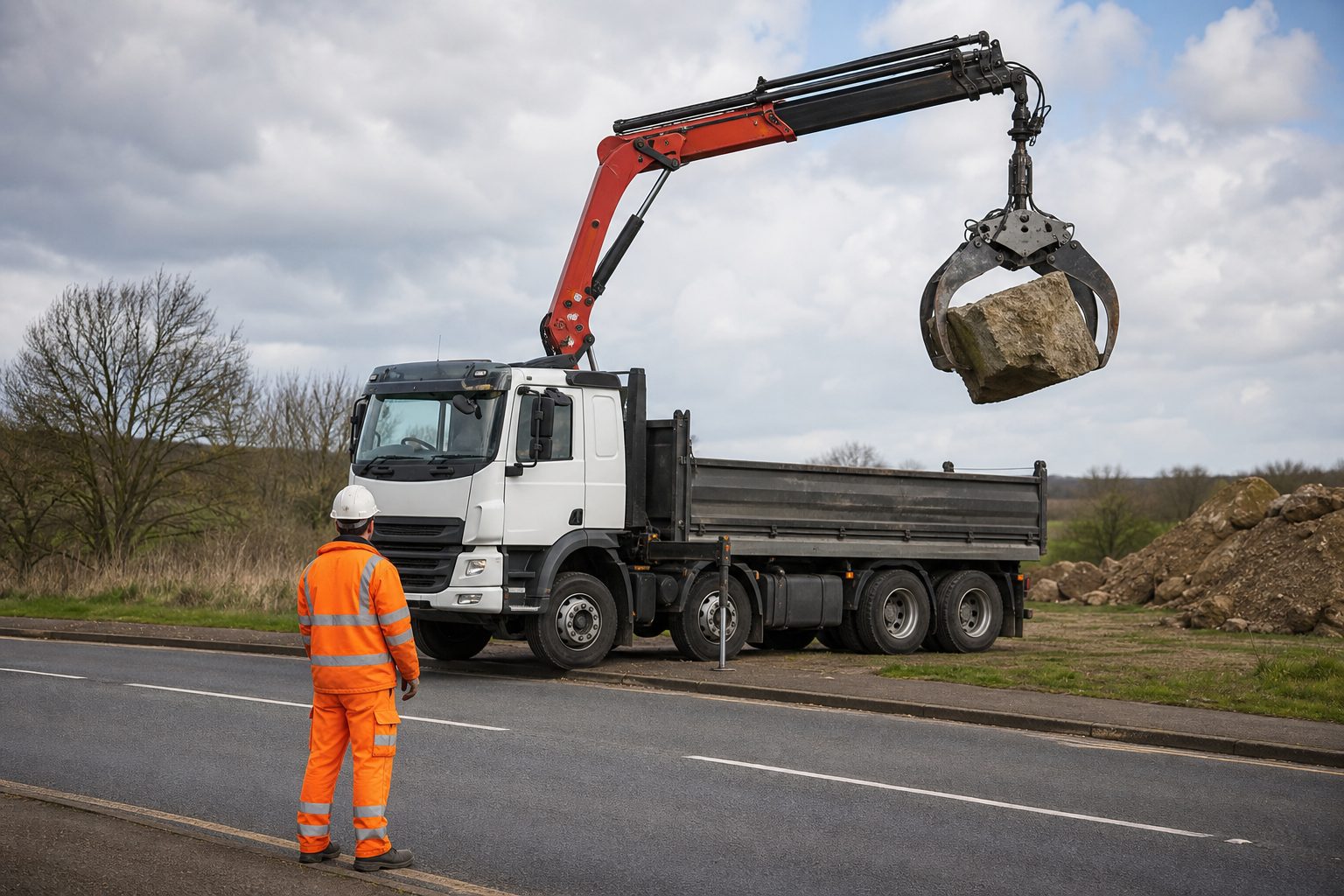
Construction fleet operators navigating the compliance landscape face the same question from different directions: what does a vehicle actually need to access a CLOCS-adopting site, satisfy a FORS Silver audit, and operate legally in Greater London? The answer involves three overlapping frameworks — CLOCS, FORS Silver, and DVS — that address related but distinct requirements. […]
4 August 2026

Construction site incidents involving heavy vehicles are rarely caused by a single factor. They are typically the product of a combination: a vehicle in a position that the driver cannot fully see, a site worker in a zone that the banksman is not monitoring, and a movement that begins before everyone is clear. Live view […]

Utility and maintenance vehicles operate in an environment that combines the hazards of construction fleet operations — specialist body equipment, crew on foot alongside the vehicle — with a hazard that neither refuse nor construction vehicles face at the same scale: live traffic passing at speed. A highways maintenance crew patching a carriageway, a street […]
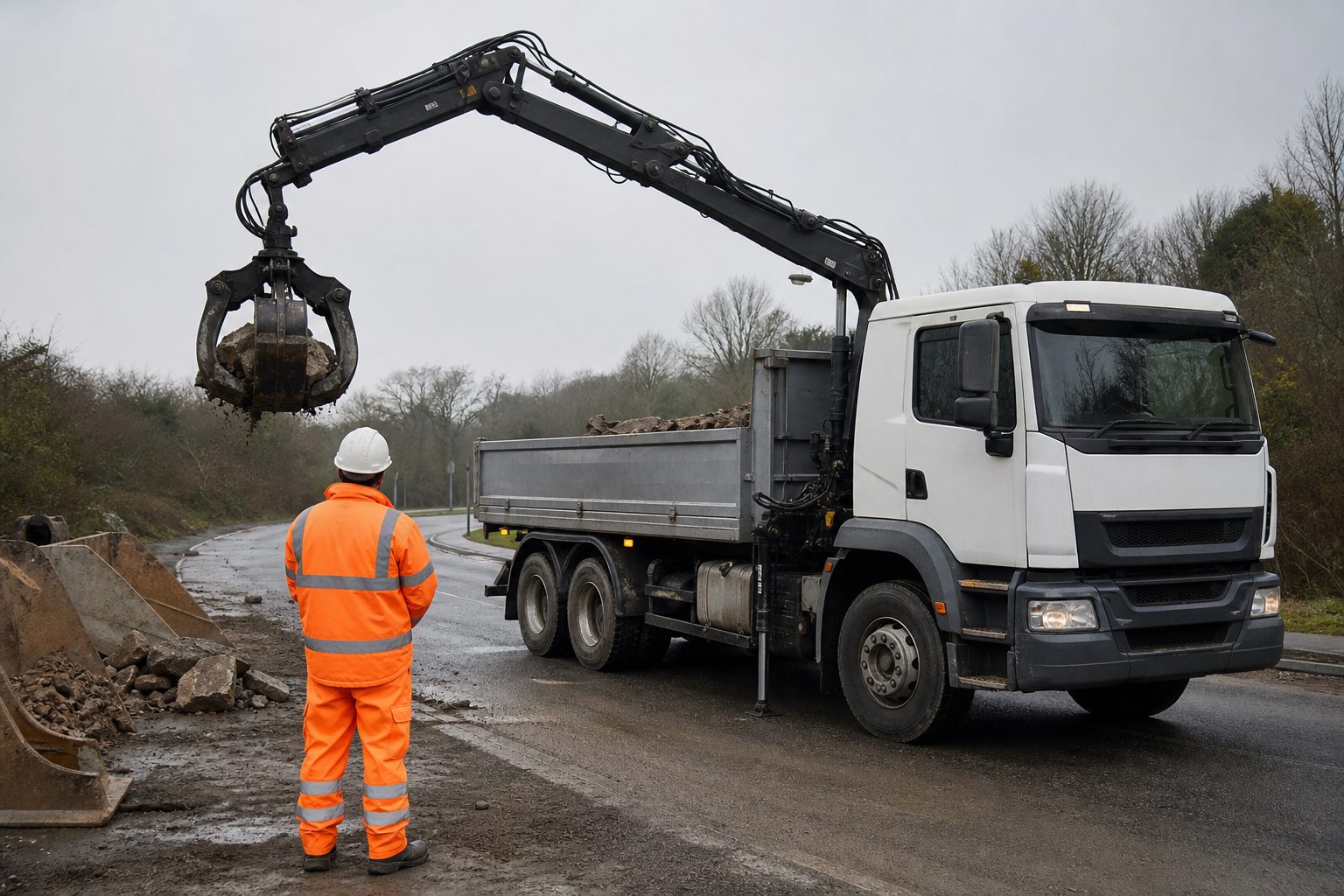
The camera specification for a construction fleet vehicle gets most of the attention in compliance discussions. The sensor specification gets less — and it is frequently where the gap between a system that passes audit and a system that works in practice is widest. A proximity sensor calibrated for road freight that generates continuous false […]

Every HGV has four defined blind zones — nearside, offside, front nearside, and rear. Construction vehicles have these plus additional blind zones created by specialist bodies: the underside of a raised tipping body, the extended drum profile of a concrete mixer, the lateral sweep zone of a tipper grab arm. They also operate in environments […]

Construction vehicles spend a significant portion of each working day stationary on site — waiting in queue for a concrete pour cycle, at an aggregate stockpile, or positioning for a tipper grab load. That dwell time is invisible to the operations desk. GPS shows the vehicle stationary, no movement events generate, no alerts fire. The […]

Tippers fitted with generic HGV camera configurations consistently produce two specific failure modes. The rear camera — mounted on the tipping body — is pointing at the sky the moment the body is raised, exactly when the vehicle needs rear coverage during the reverse that follows a tip delivery. The g-sensor — calibrated for road […]

Construction fleet camera compliance becomes visible at the site gate. A vehicle that does not meet the camera and sensor requirements of a CLOCS-adopting site is turned away — not fined, not warned, but denied entry. For a concrete mixer that has missed a pour or a tipper that cannot tip at the designated bay, […]
Monday to Friday:
8.30am-5.30pm