
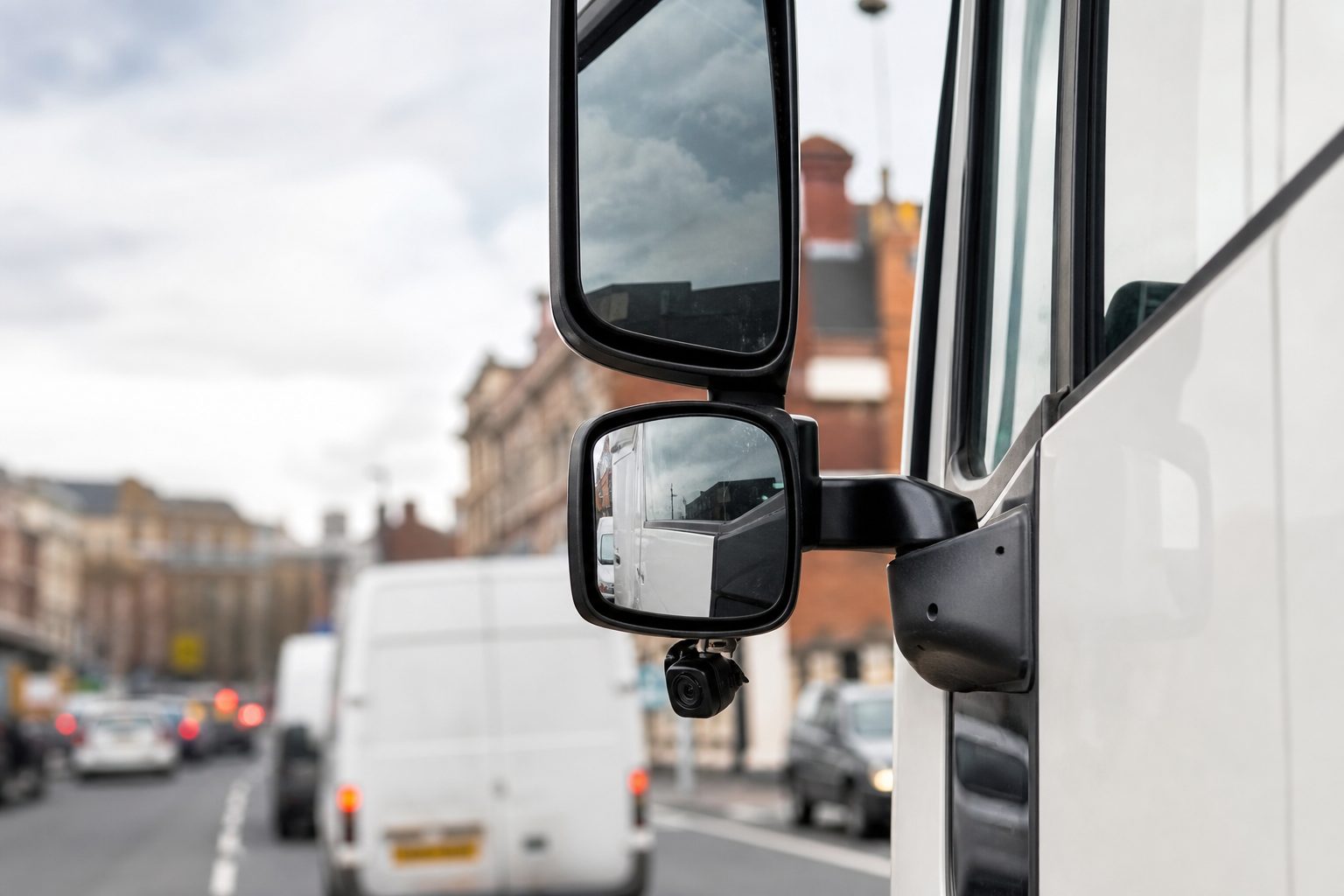
Fleet operators fit camera systems primarily for safety and insurance purposes, but the legal value of in-vehicle recording extends beyond those two applications. Camera footage with GPS timestamp and embedded telematics data is admissible as evidence in civil courts, criminal proceedings, employment tribunals, and Traffic Commissioner public inquiries. The legal benefit is not simply that […]
4 August 2026

The two most common results of a DVSA fleet audit are operators who pass comfortably and operators who discover that the records they believed existed do not, in the form an auditor will accept, actually exist. Maintenance schedules that are not documented, walkaround check records that show no defects for three months, brake tests that […]

Fleet operators who fit camera systems and then expect their insurance premium to fall at renewal are often disappointed. The cameras are there; the footage is recording; the renewal still comes in higher. The problem is not the cameras — it is the assumption that fitting equipment automatically changes the insurer’s risk assessment. What actually […]
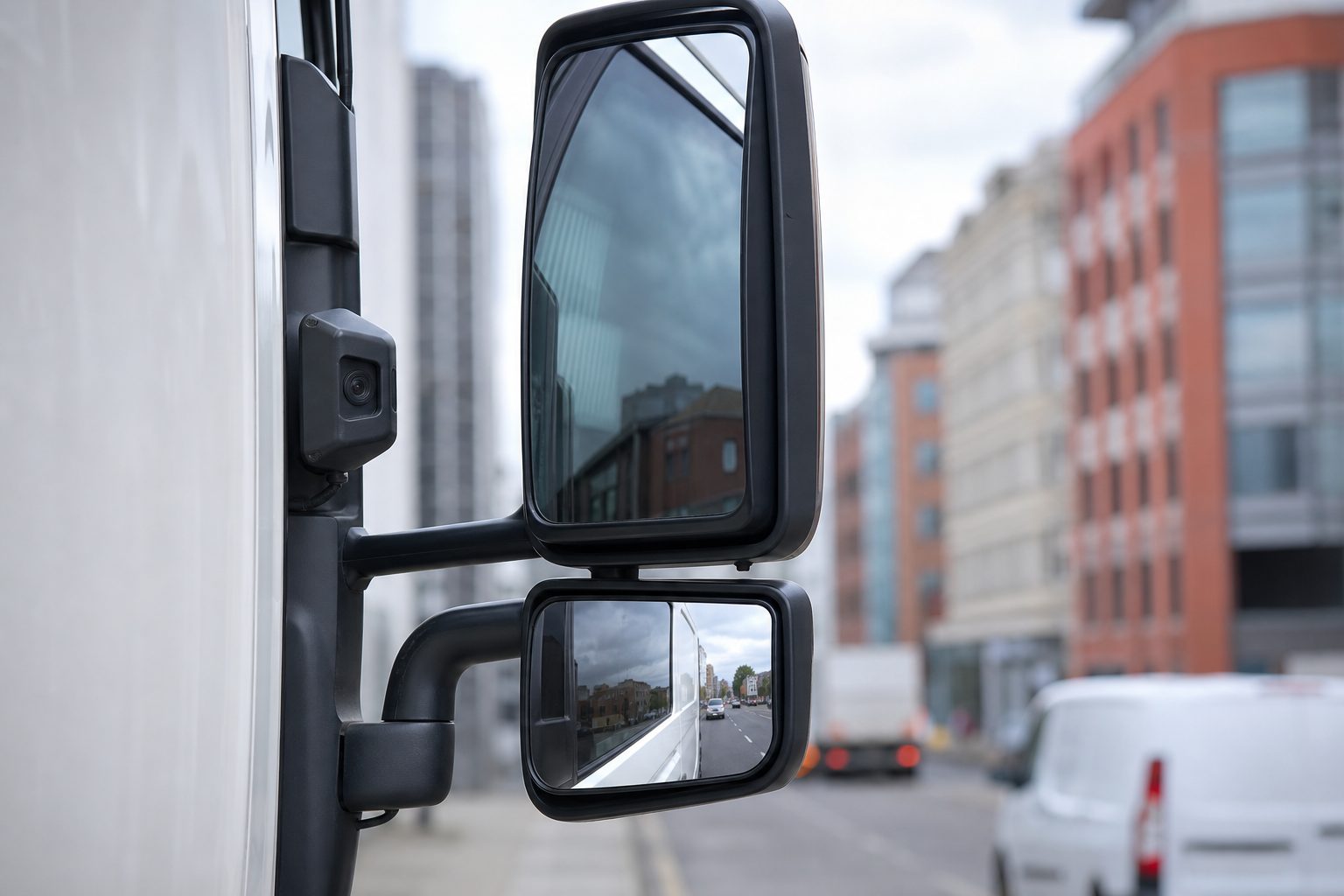
Losing an operator licence does not happen in a single dramatic moment. It happens because a fleet’s maintenance records are incomplete, because walkaround checks are not flowing through to defect rectification, or because a transport manager’s involvement has become nominal rather than active. Traffic Commissioners reviewing cases consistently find the same pattern: operators who were […]

The most common data protection failure for fleet camera operators is not a technical one — it is the absence of a written retention policy. UK GDPR does not set a fixed retention period for vehicle camera footage, but it does require you to set one yourself, document it, communicate it to your drivers, and […]
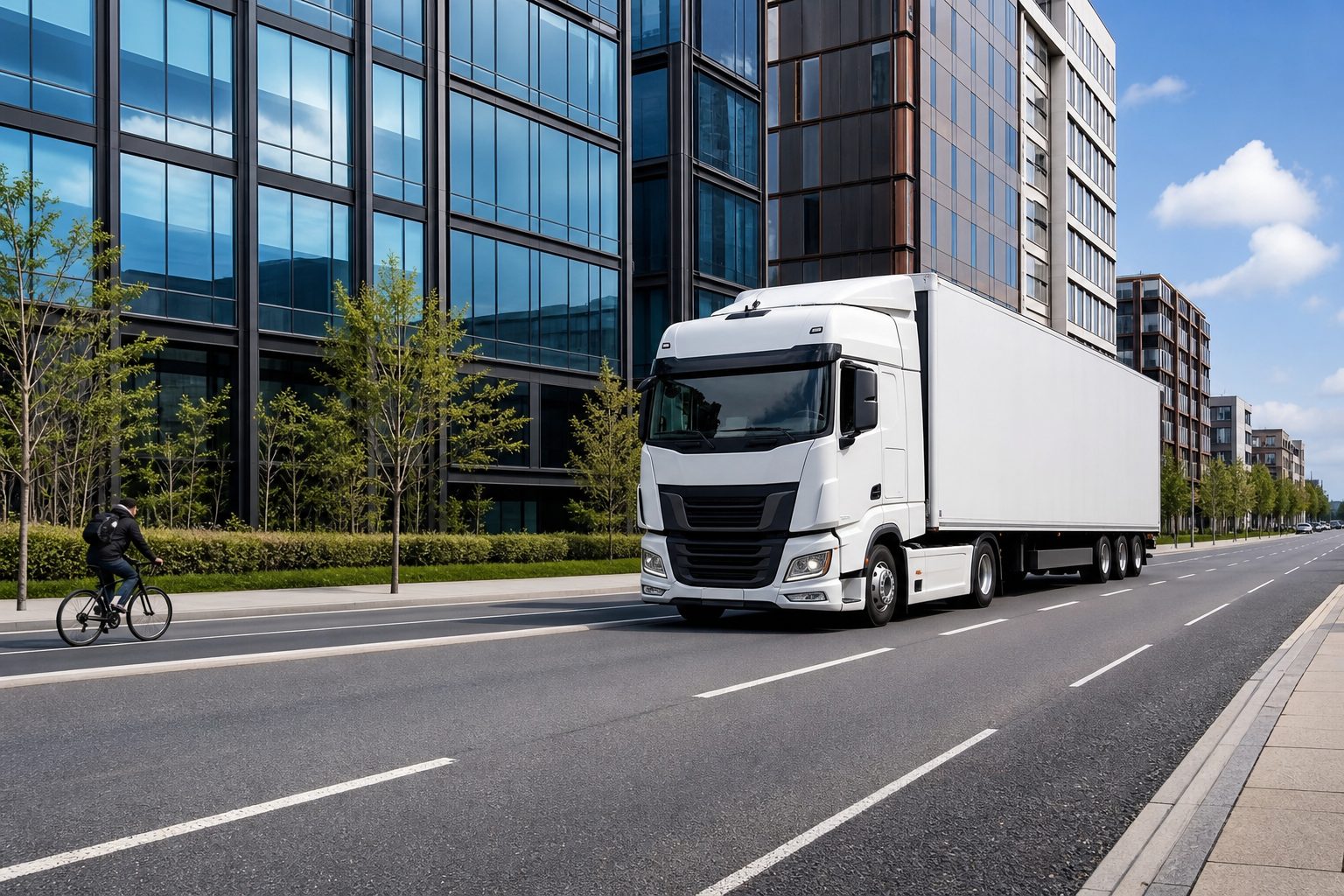
Construction logistics vehicles face a compliance burden that general haulage operators do not: the statutory regime that applies to every HGV, plus a parallel layer of construction-specific standards that determine whether a vehicle and driver will be permitted through the site gate at all. A concrete mixer lorry that is legally roadworthy and O-licensed but […]
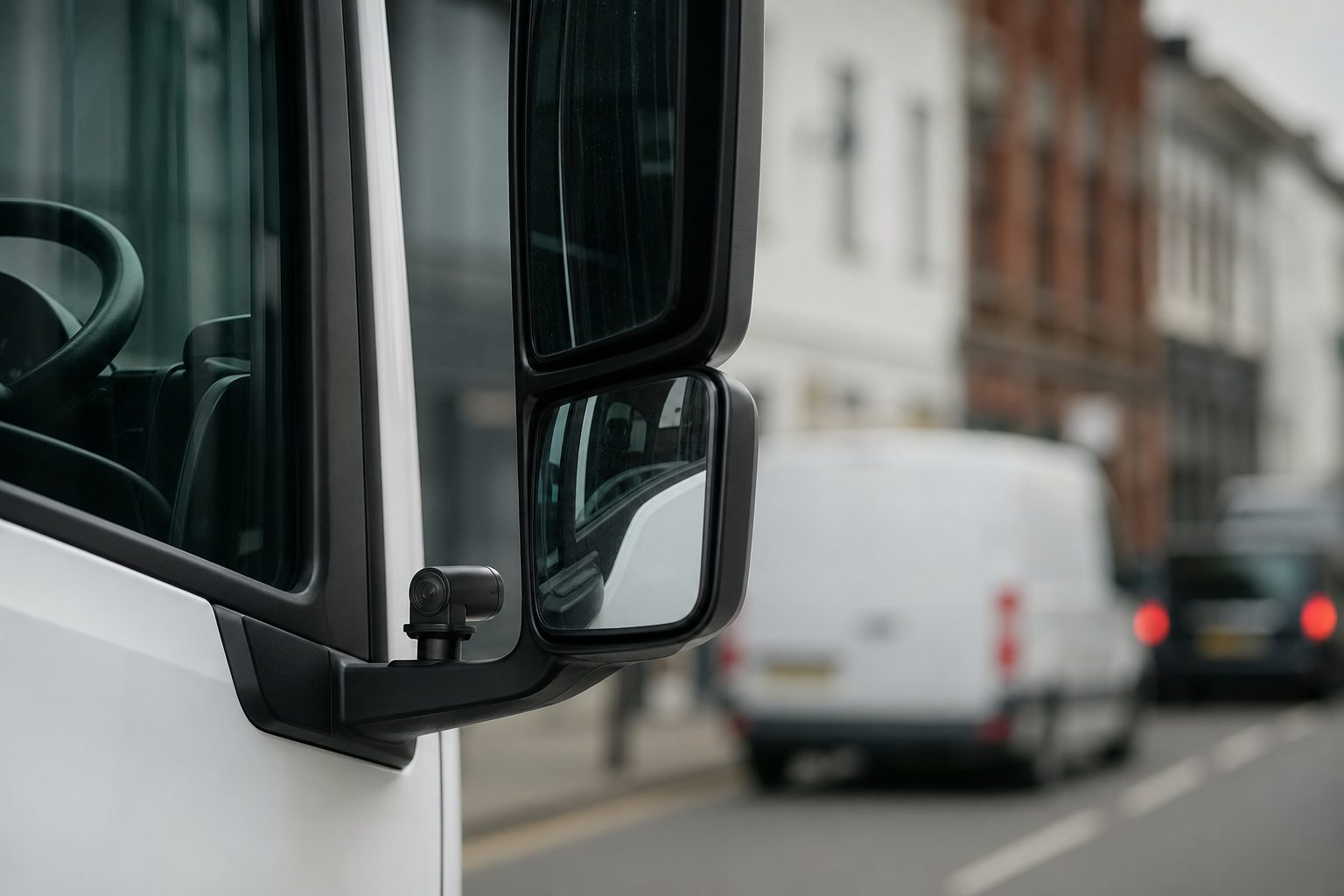
Every year, the HSE is notified of fatal incidents involving pedestrians struck by refuse collection vehicles. The risk profile is distinct from general urban freight: waste collection fleets operate with workers on foot alongside moving vehicles, reversing at high frequency in residential streets, and working in low-light conditions during early and late shifts. The compliance […]

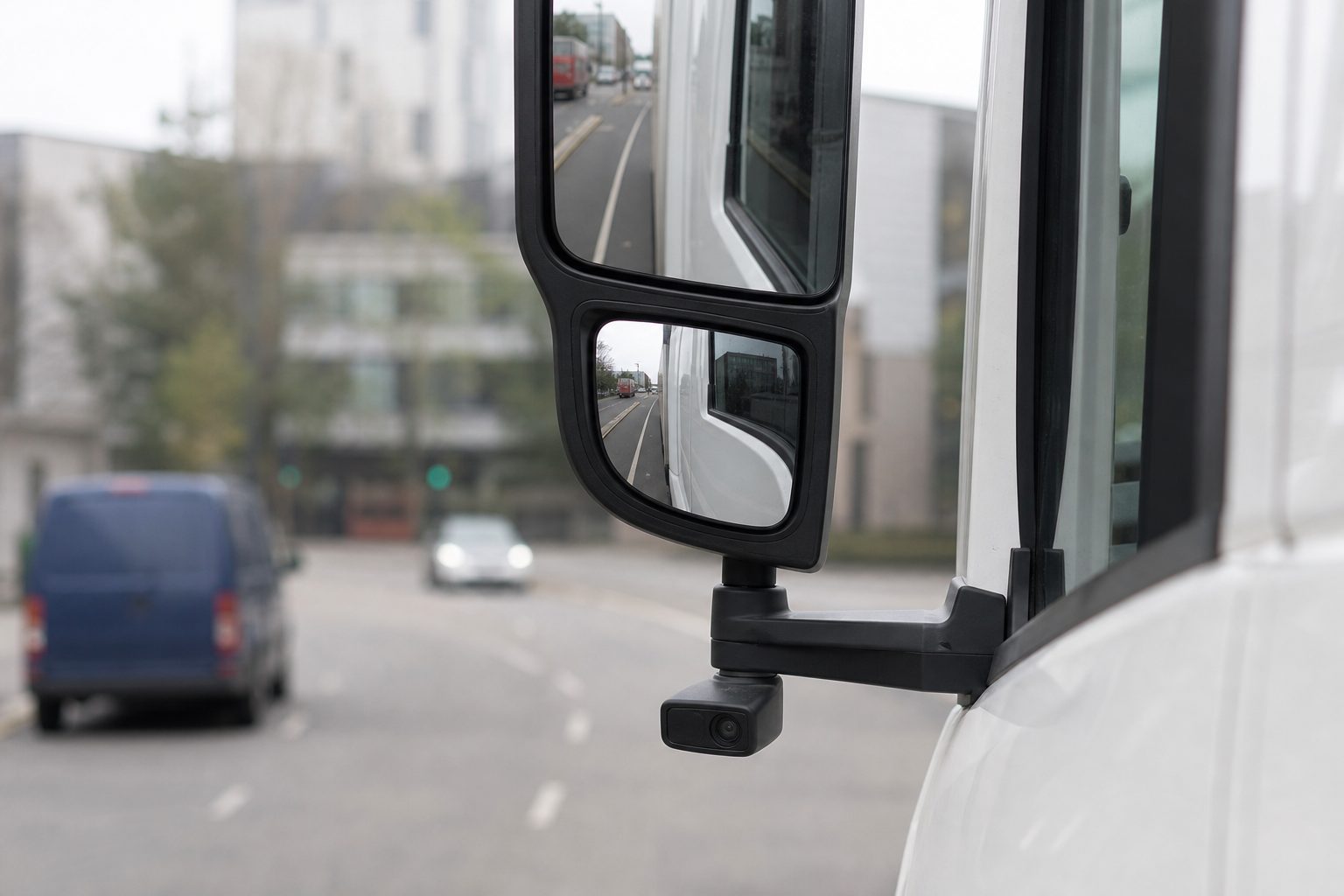
Camera requirements for UK HGV operators come from three distinct compliance frameworks — the Direct Vision Standard in London, FORS nationwide, and CLOCS on construction sites — and none of them uses quite the same specification language. Understanding which cameras are mandatory under which framework, and for which vehicles, determines whether a camera investment achieves […]

If your organisation uses vehicles for work, you have a legal duty to assess and control the risk. The Management of Health and Safety at Work Regulations 1999 require employers to carry out a suitable and sufficient risk assessment covering any activity that could harm their employees or others. Driving at work consistently accounts for […]
A contested insurance claim without camera footage is a claim that often settles at 50:50 liability regardless of what actually happened. This is a well-documented reality in commercial fleet claims: when a third party disputes fault and no objective evidence exists, insurers frequently split liability to avoid the cost and uncertainty of litigation. For fleet […]
Monday to Friday:
8.30am-5.30pm