
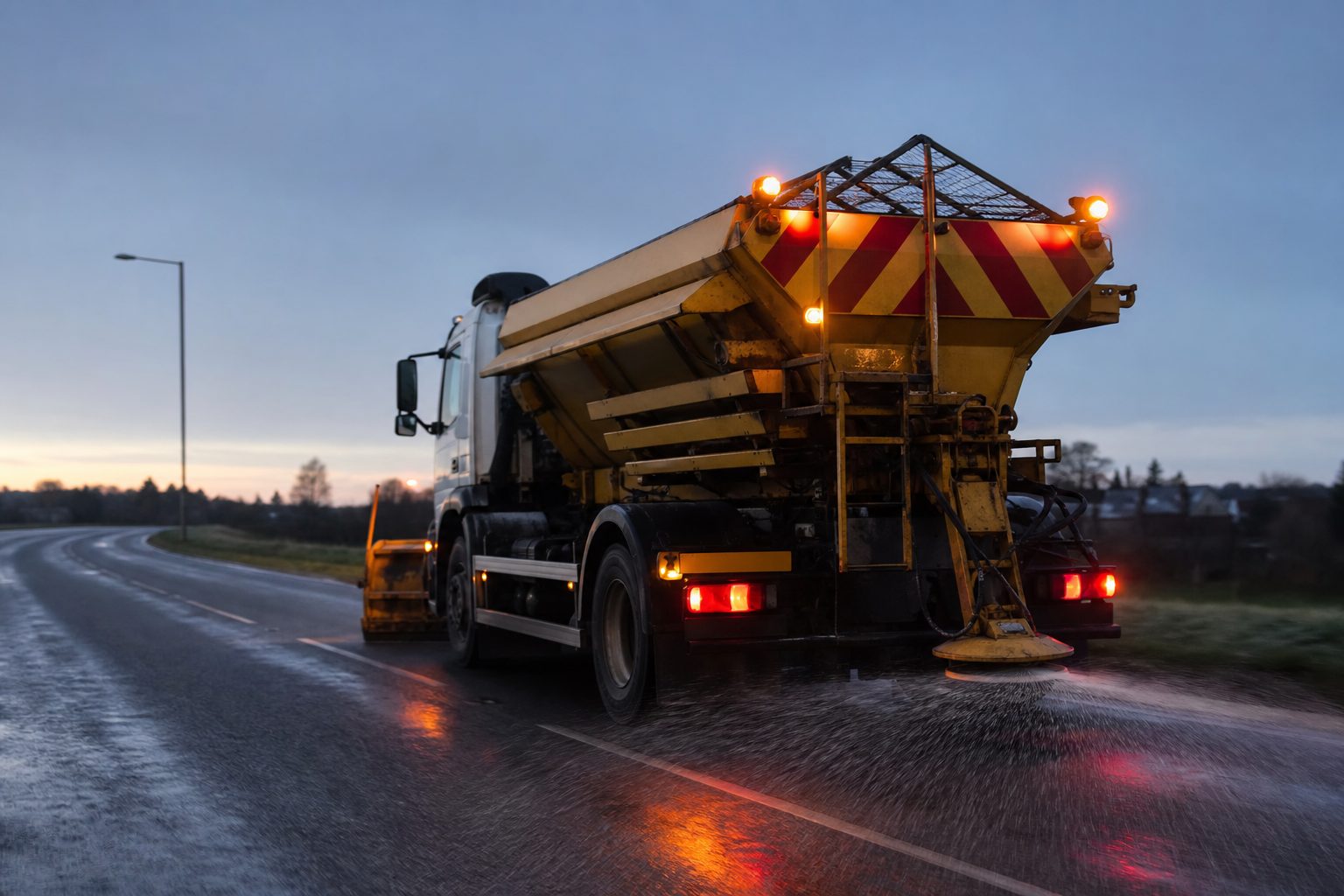
A council fleet operates under a set of constraints that no private fleet shares. The vehicles are publicly owned, operated by council staff, managed under public procurement rules, and subject to FOI requests whenever an incident attracts attention. When a refuse vehicle clips a parked car or a street maintenance vehicle is involved in a […]
4 August 2026

In the 48 hours after a serious vehicle incident on a construction or quarrying site, the footage from every camera on every vehicle that operated near the incident location is either preserved or it is lost. The MDVR‘s rolling storage cycle does not pause for an investigation. If no one identifies and flags the relevant […]
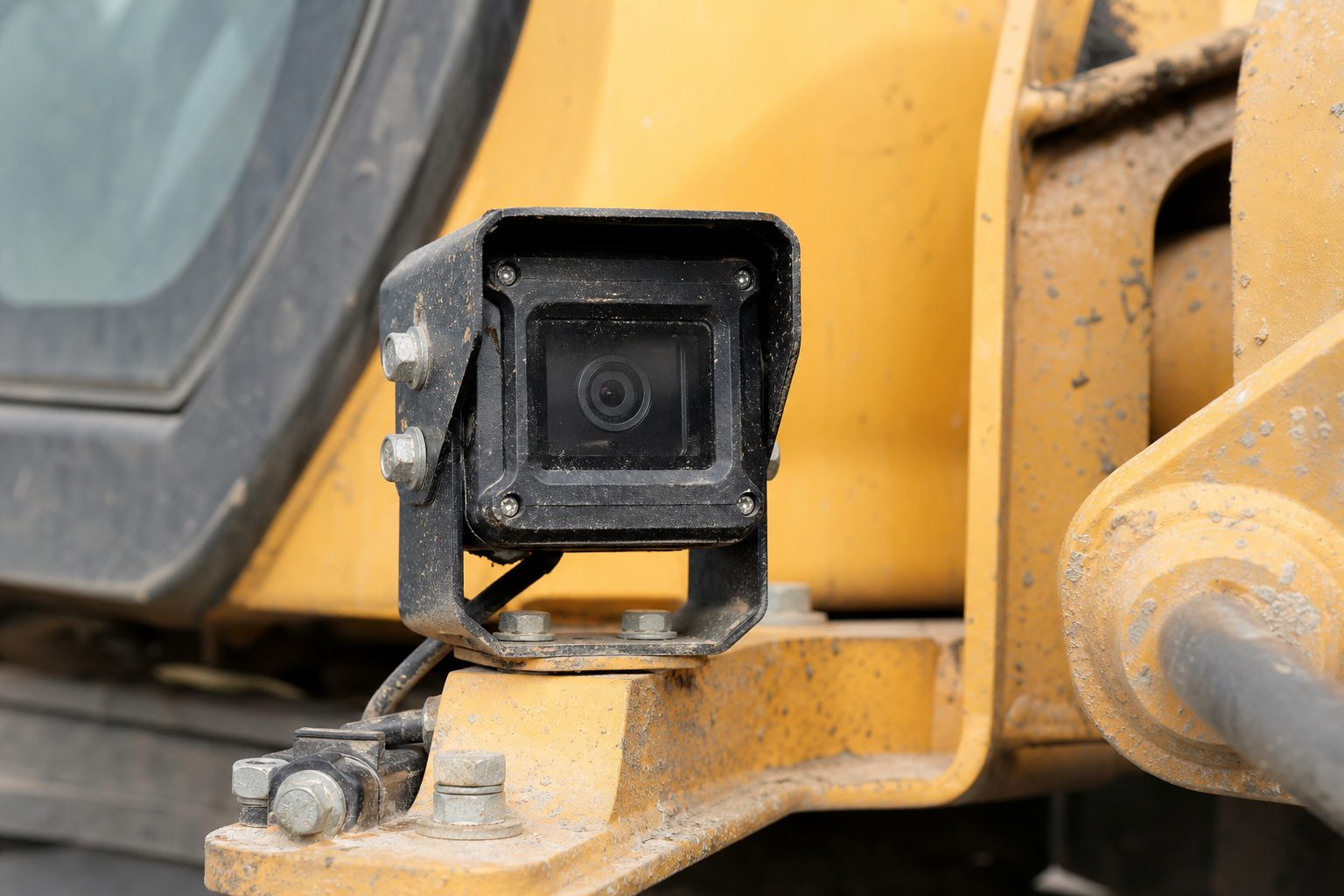
A quarry manager who can see a tipper truck’s camera feed from a site office 800 metres away can check a developing situation while it is still unfolding — the live feed typically runs 10–20 seconds behind real time. The same manager who has to wait for the vehicle to return to the workshop, pull […]
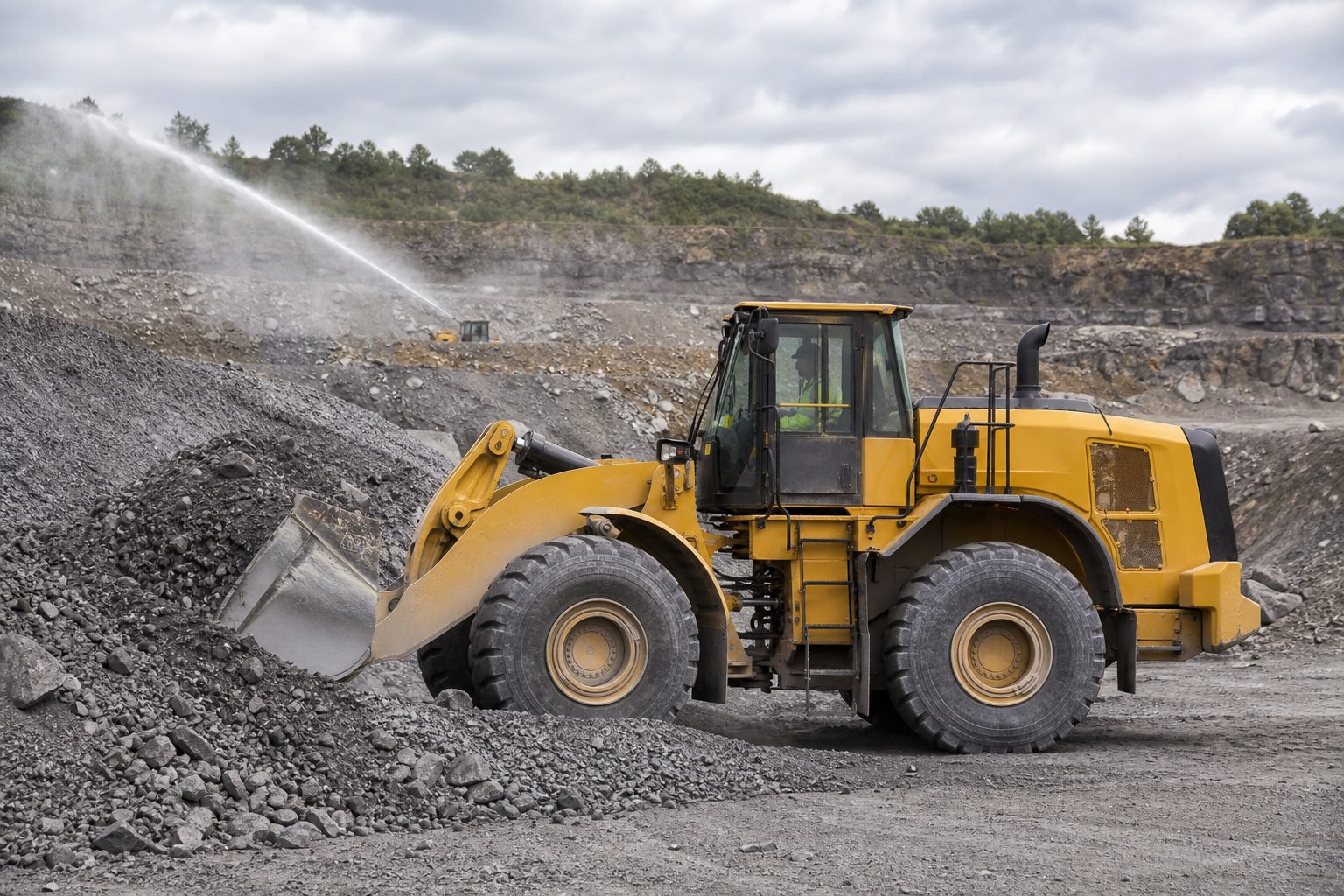
The blind spot problem on industrial machinery is not a single problem. A 360-degree slewing excavator has a completely different blind zone profile from a counterbalance forklift. A telehandler’s hazard zone changes with boom angle and extension. A road roller creates risks for the person walking immediately behind it that are invisible to the operator. […]

Selecting an MDVR for an off-road industrial vehicle is not the same decision as selecting one for a road-going HGV. The vibration profile, dust environment, operating temperature range, and power supply behaviour on an excavator, tipper truck, or agricultural machine create failure modes that road-rated MDVRs are not designed to handle. An MDVR that works […]
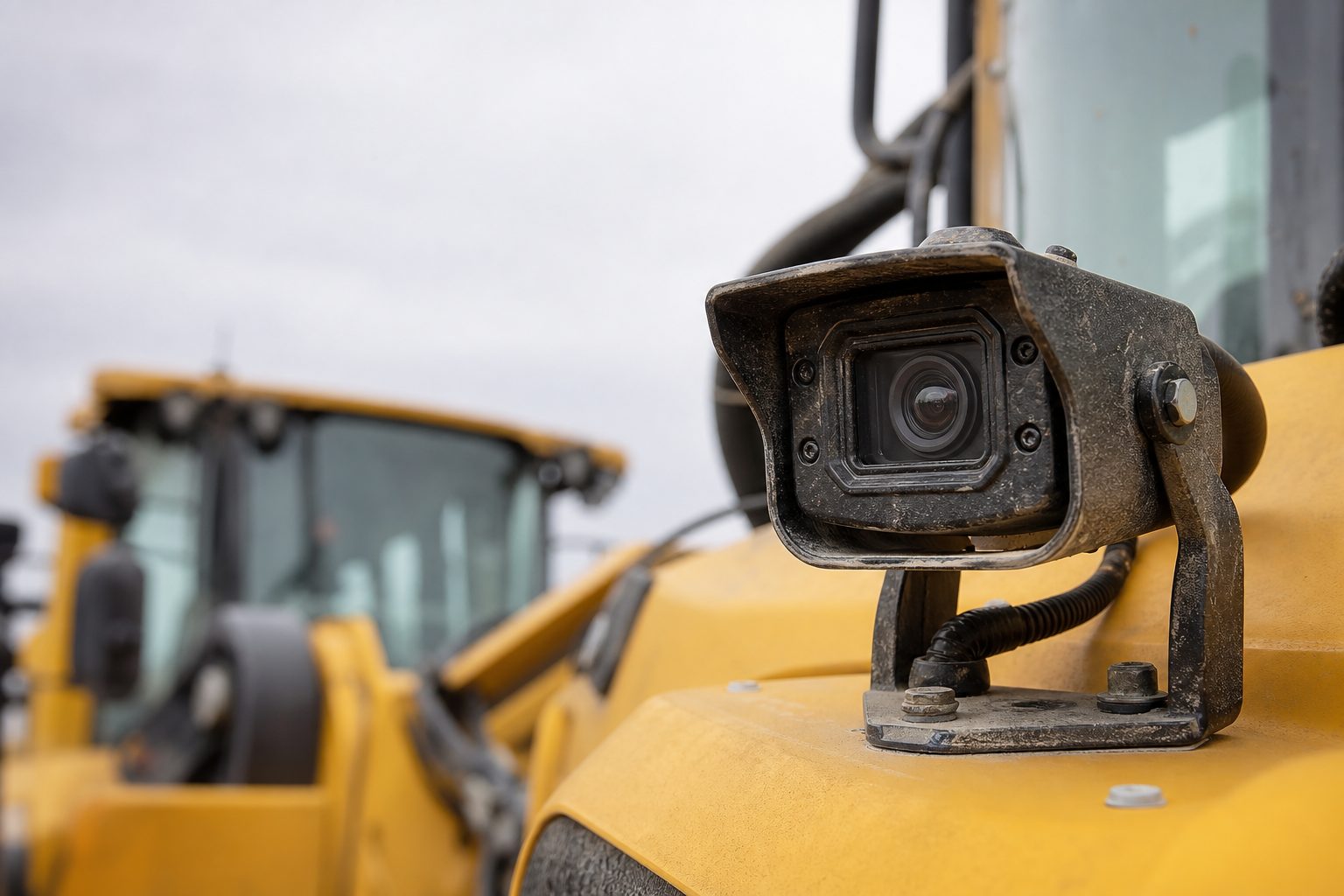
A camera that passes its IP69K certification test in a controlled environment and then fails after three weeks on a quarry haul road has not failed the camera standard — it has failed the application. The rating tells you what the housing was tested against; it does not tell you whether the installation was done […]
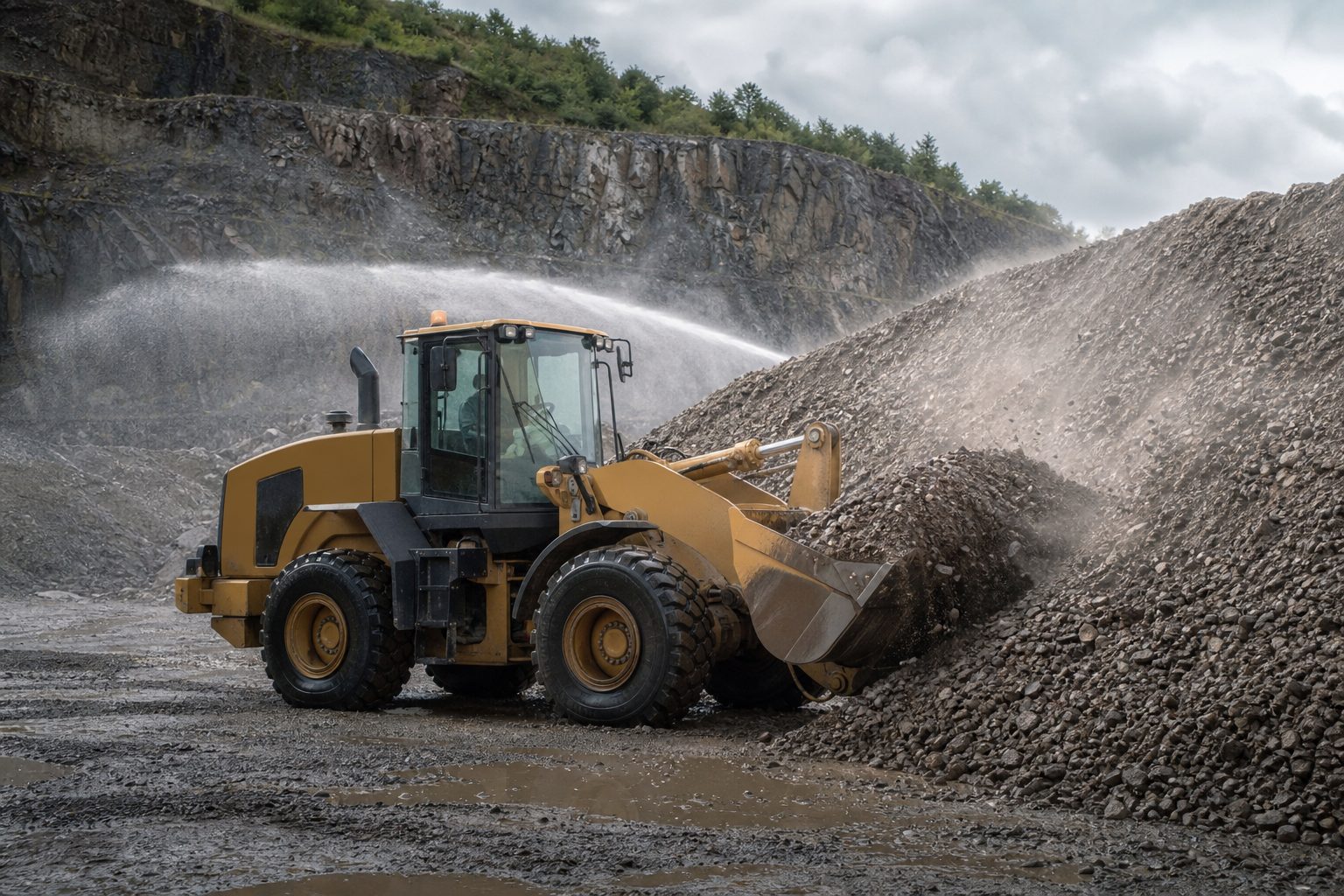
Mining vehicle proximity detection is not a single problem. On surface mines, the hazard is a multi-tonne tipper truck reversing at speed into a person who is obscured by the vehicle’s own body. In an underground mine, the hazard is a loader in a development heading where the only exit is behind the machine. These […]
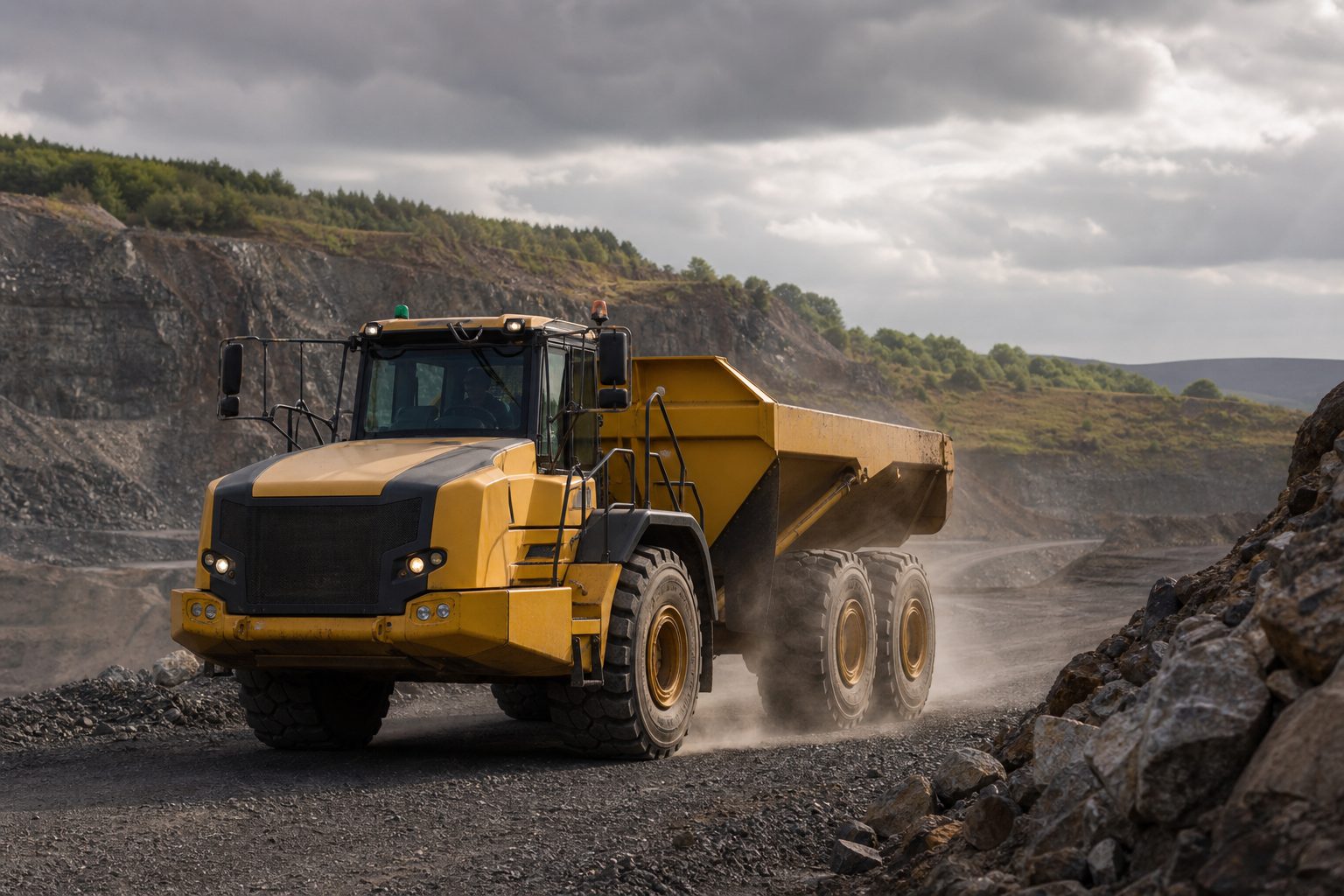
A quarry site concentrates every vehicle-pedestrian hazard into a confined area with no public traffic management. Tipper trucks move in reverse for significant portions of each cycle. Loading shovels operate in tight turnarounds. Crushers and conveyor systems create zones where workers are on foot around machinery with very limited sightlines. The combination is why quarrying […]
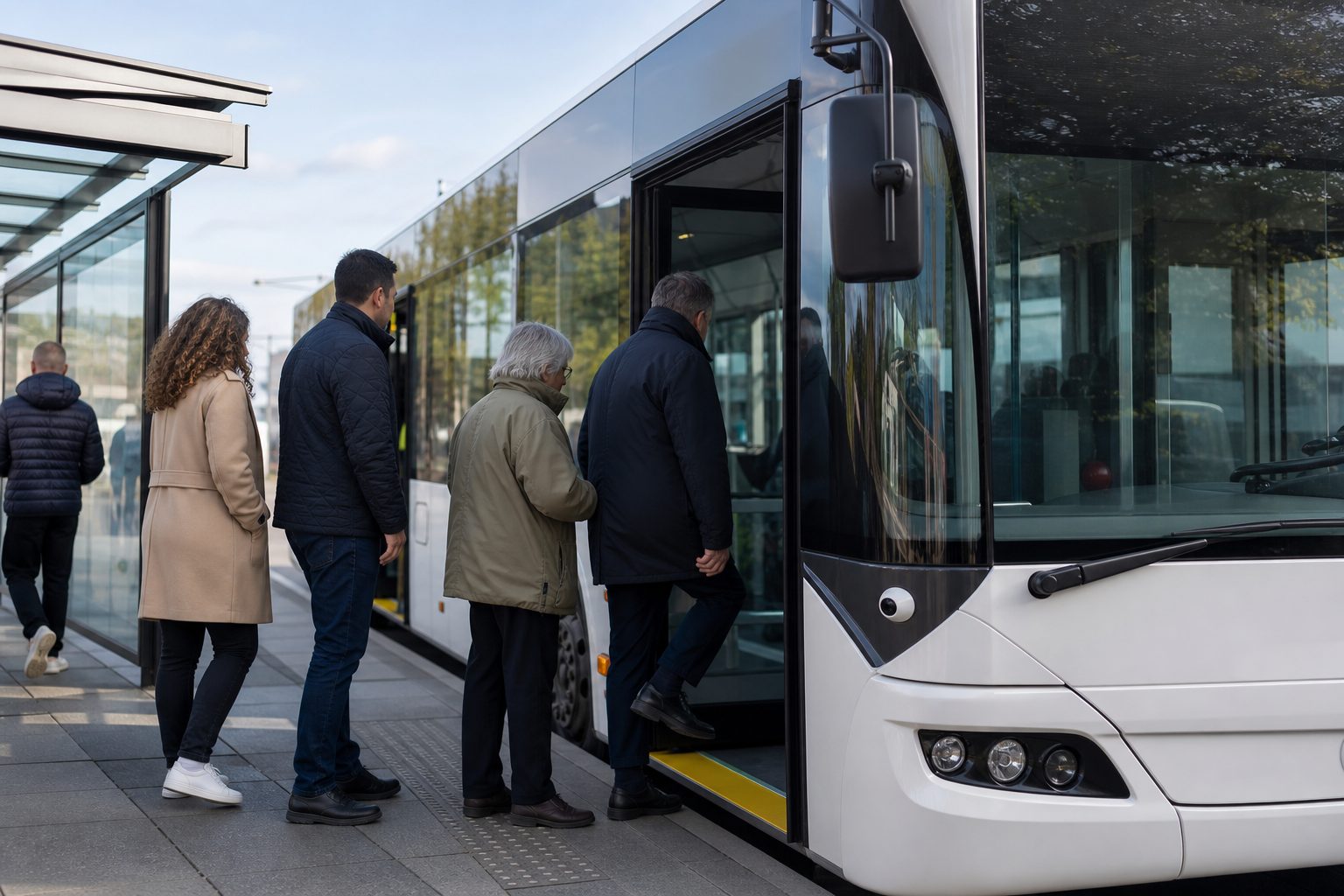
A coach operator asking “what cameras do I need?” is asking a question that has at least four different answers depending on which compliance framework applies to their specific operation. DVSA operator licence conditions, the Public Service Vehicles Accessibility Regulations, and UK GDPR camera requirements each impose distinct obligations — and London’s Direct Vision Standard, […]

A full-size touring coach has a nearside blind zone that extends 5–8 metres alongside the vehicle — a zone that a cyclist, moped rider, or pedestrian can occupy without being visible in any of the driver’s standard mirrors. The length of the vehicle, the height of the floor line, and the position of the driver’s […]
Monday to Friday:
8.30am-5.30pm