
Fleets that effectively deploy robust camera systems, combined with rigorous site controls, typically report noticeably fewer incidents year on year. Quick Answers Where should cameras be placed on construction vehicles? Optimal camera placement focuses on eliminating blind spots around the vehicle. Key zones include the rear (for reversing), nearside and offside (for side-swipe prevention), and […]
4 August 2026
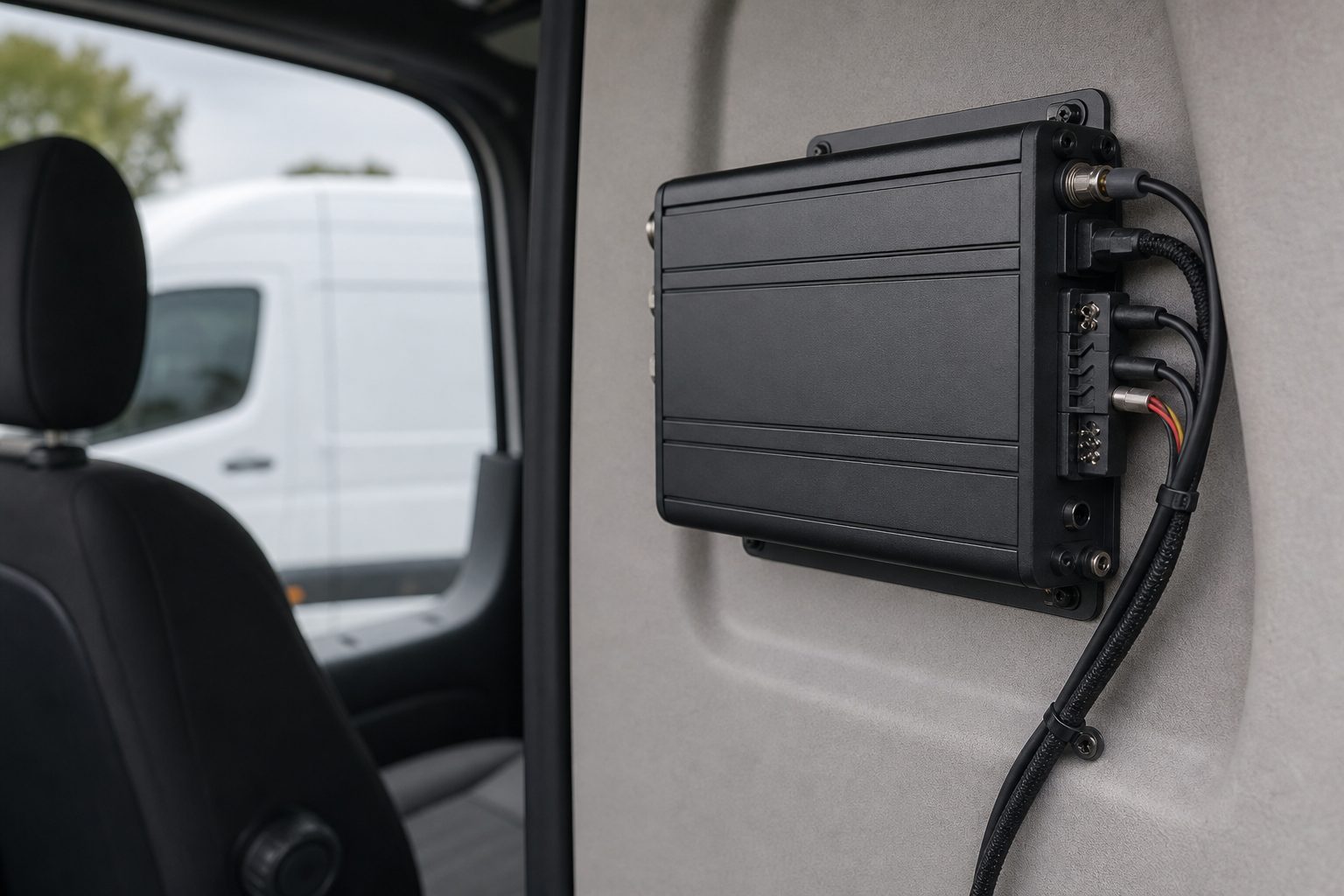
Problem: messy wiring, wasted hours and missing evidence. This guide is for fleet managers, HGV technicians and in-house installers who need a practical, operator-first MDVR install procedure that works on real trucks. Estimated time-to-complete: 90–180 minutes (single technician) — varies by vehicle and cable routing. Skill level: Intermediate electrical & vehicle access (multimeter and basic […]

Operator-first guide to event-based alerts for fleet safety: what they are, how they reduce review time and risk, real-world proof, and a step-by-step rollout checklist.
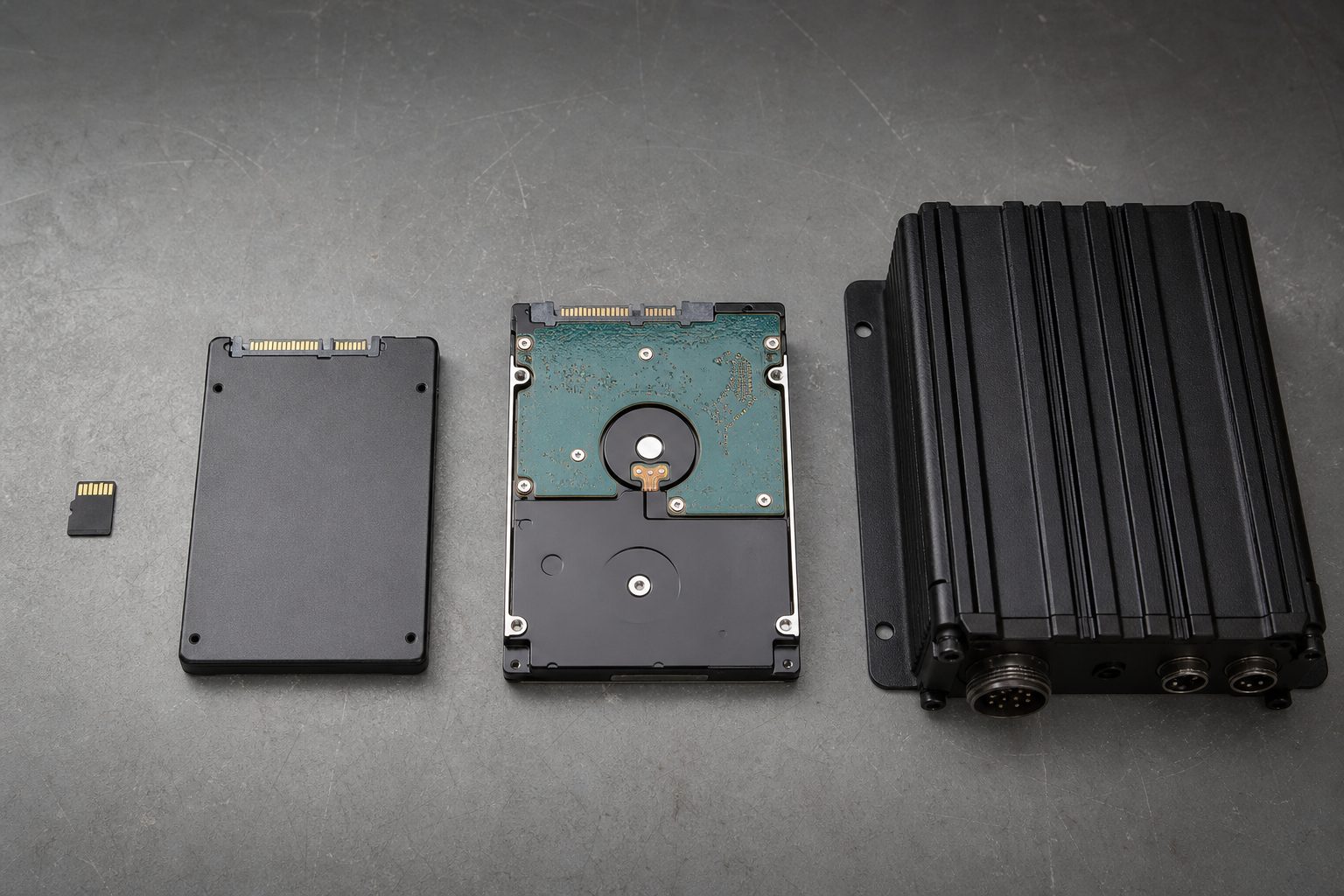
By: Backwatch Technical Lead — fleet surveillance systems, 8+ yearsPublished: 2026-04-24 · Last updated: 2026-04-24 Introduction — Why storage choice matters in MDVR SD vs SSD vs HDD for MDVR is the question fleets ask after the first incident: missing footage because media failed. Incorrectly specified storage is the most common reason MDVR installs fail […]
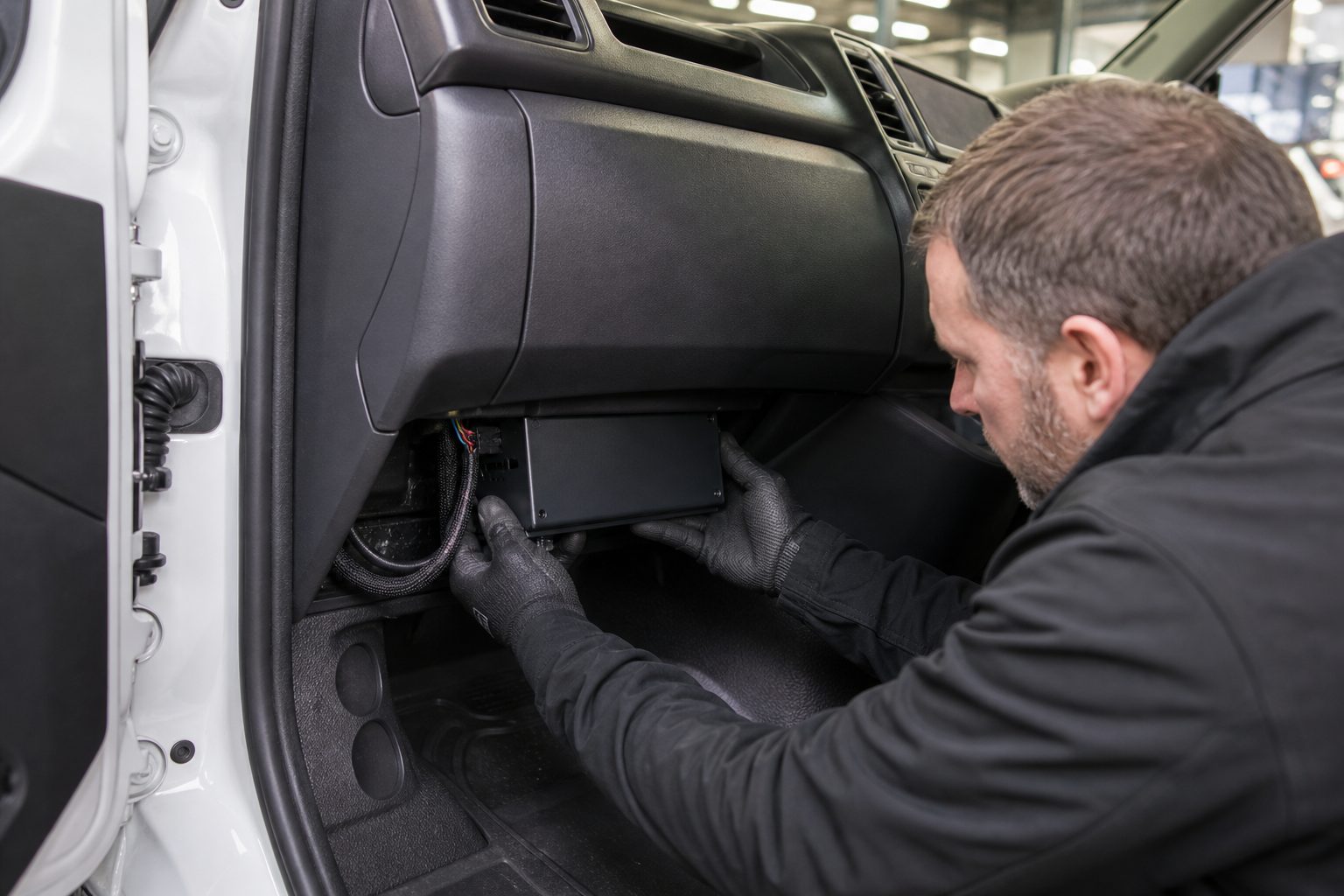
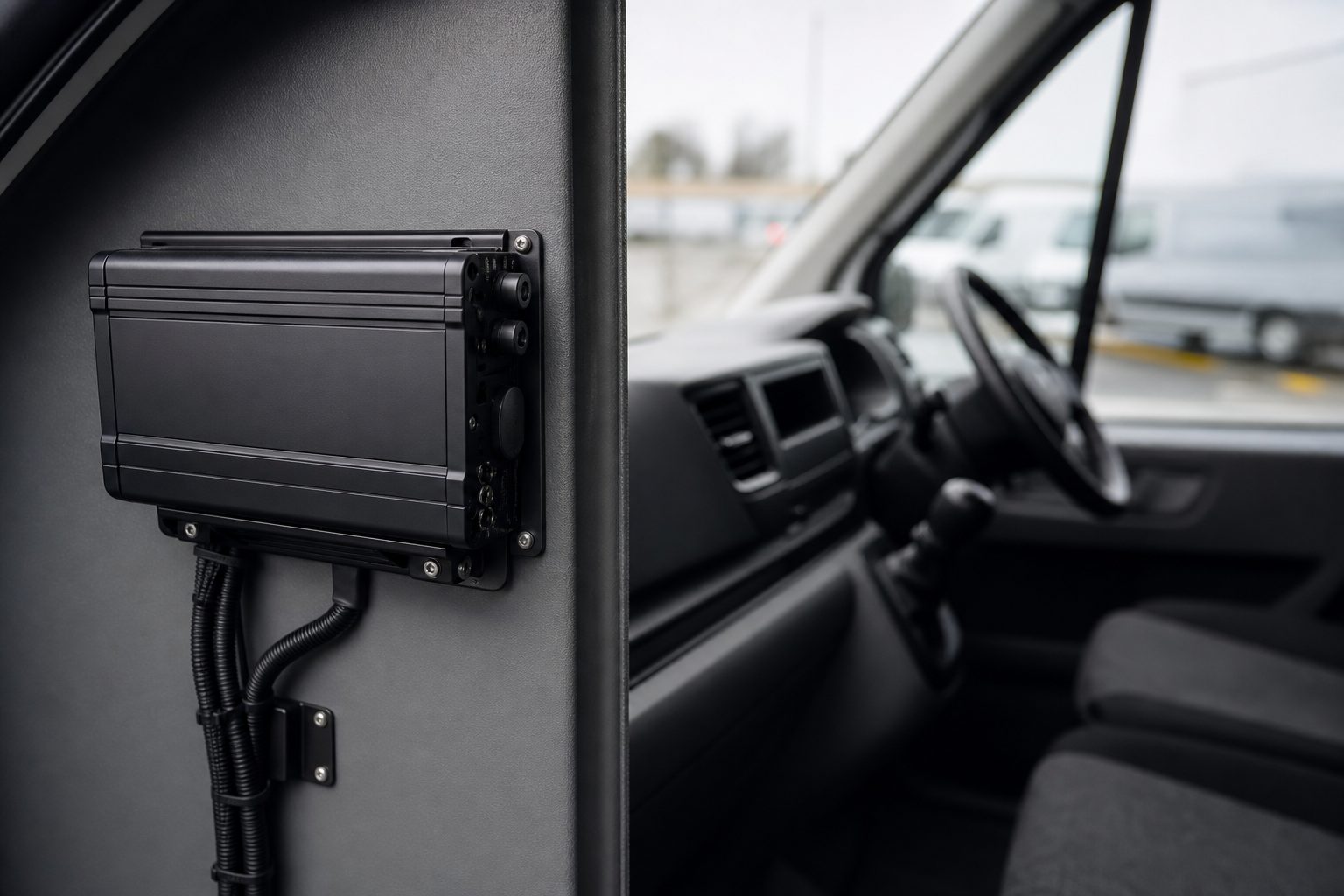
Practical, operator-first guide to installing MDVRs in vans & LGVs — tools, wiring diagrams (12V/ignition/fuse), antenna placement, testing and troubleshooting.

An articulated truck is involved in a close-call on the M62; the insurer asks for footage, the SD card is handed over — and the file has a 20‑minute gap and the timestamps have reset. That single anomaly turns an otherwise straightforward claim into weeks of dispute. MDVR tampering is a real operational risk. Mobile […]

Introduction An operations manager opens the telematics portal after a courier reports a minor collision. GPS shows an event, but the MDVR footage arrives hours later and the timestamps don’t match; the insurer asks for a verified clip and the team spends the afternoon extracting and validating evidence. Time lost, a frustrated driver and a […]

This guide is operator-first and pragmatic. It explains how recording settings and storage choices affect how long footage lasts, gives recommended retention windows by user type, and provides a step‑by‑step incident‑preservation workflow. This is operational guidance, not legal advice. TL;DR — Personal drivers: 7–30 days. Rideshare/couriers: 30–60 days. Commercial fleets: 90–365+ days depending on regulator/insurer […]

Operator-first guide to remote playback for fleet managers: how it works, where it fails, legal checks (ICO/DVSA) and a 10-step implementation plan.

A driver safety score is only useful if drivers believe it is fair. Fleet managers who have built scoring systems that generated resentment rather than behaviour change consistently identify the same root cause: the score measured inputs that were outside the driver’s control — road conditions, vehicle age, route difficulty — and then presented the […]
Monday to Friday:
8.30am-5.30pm