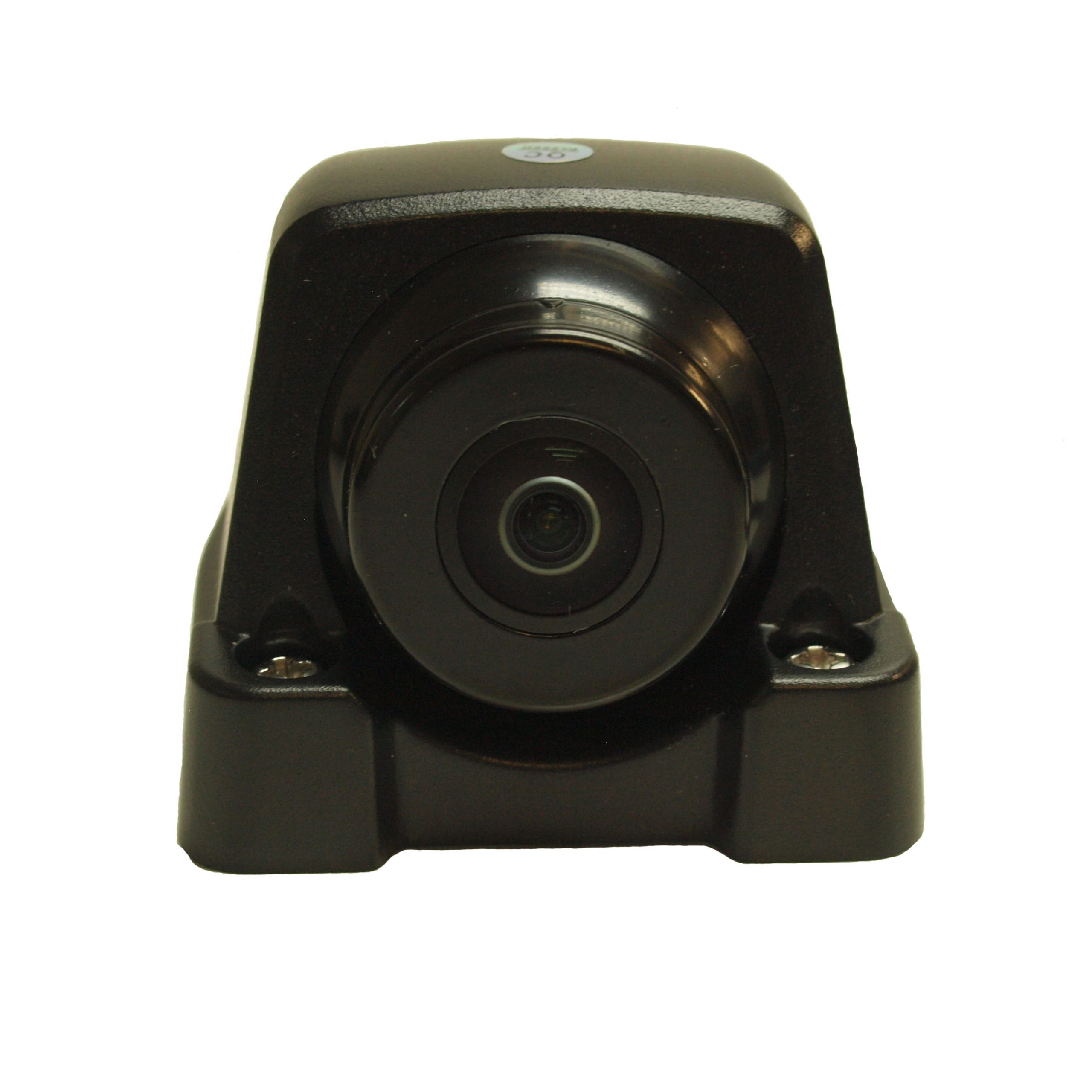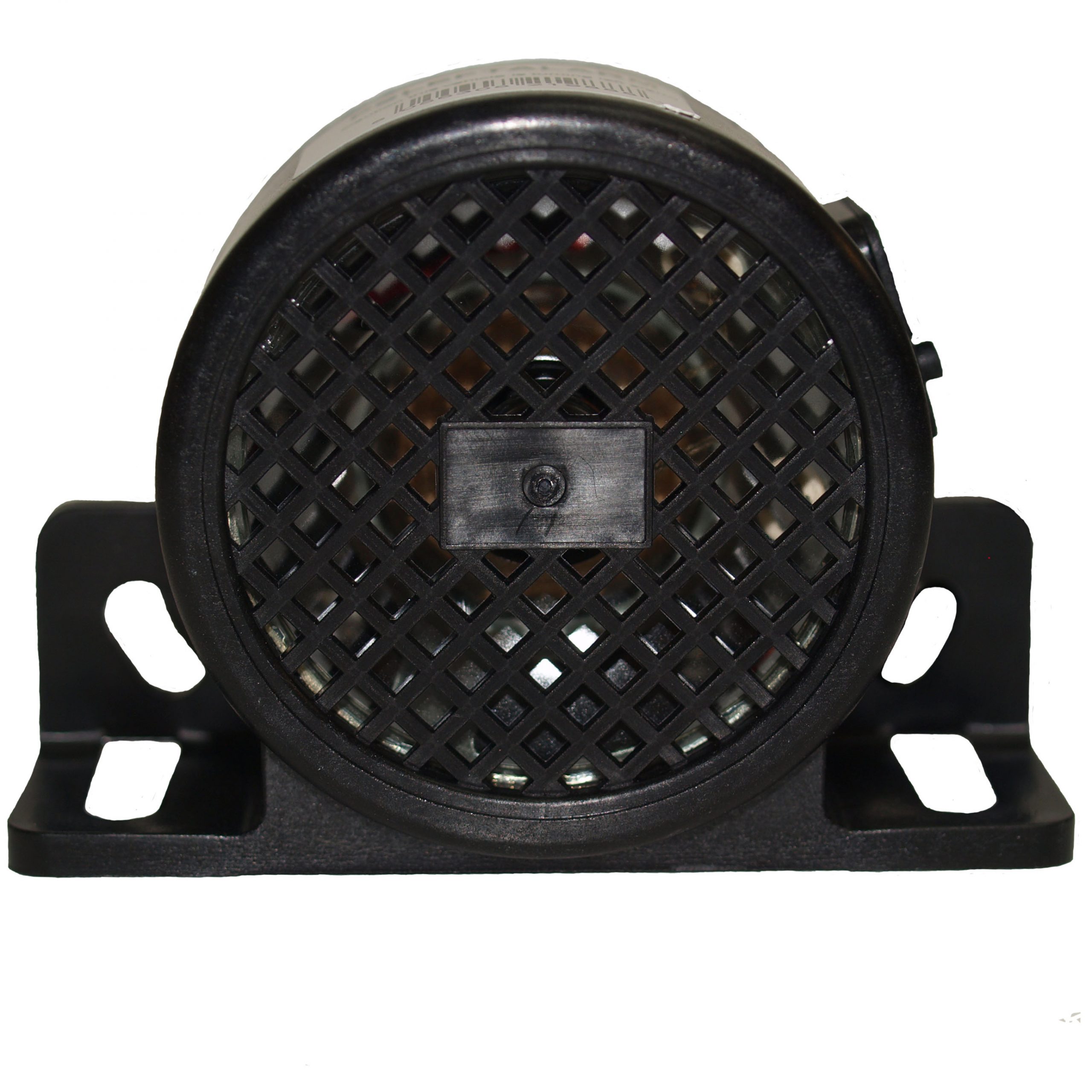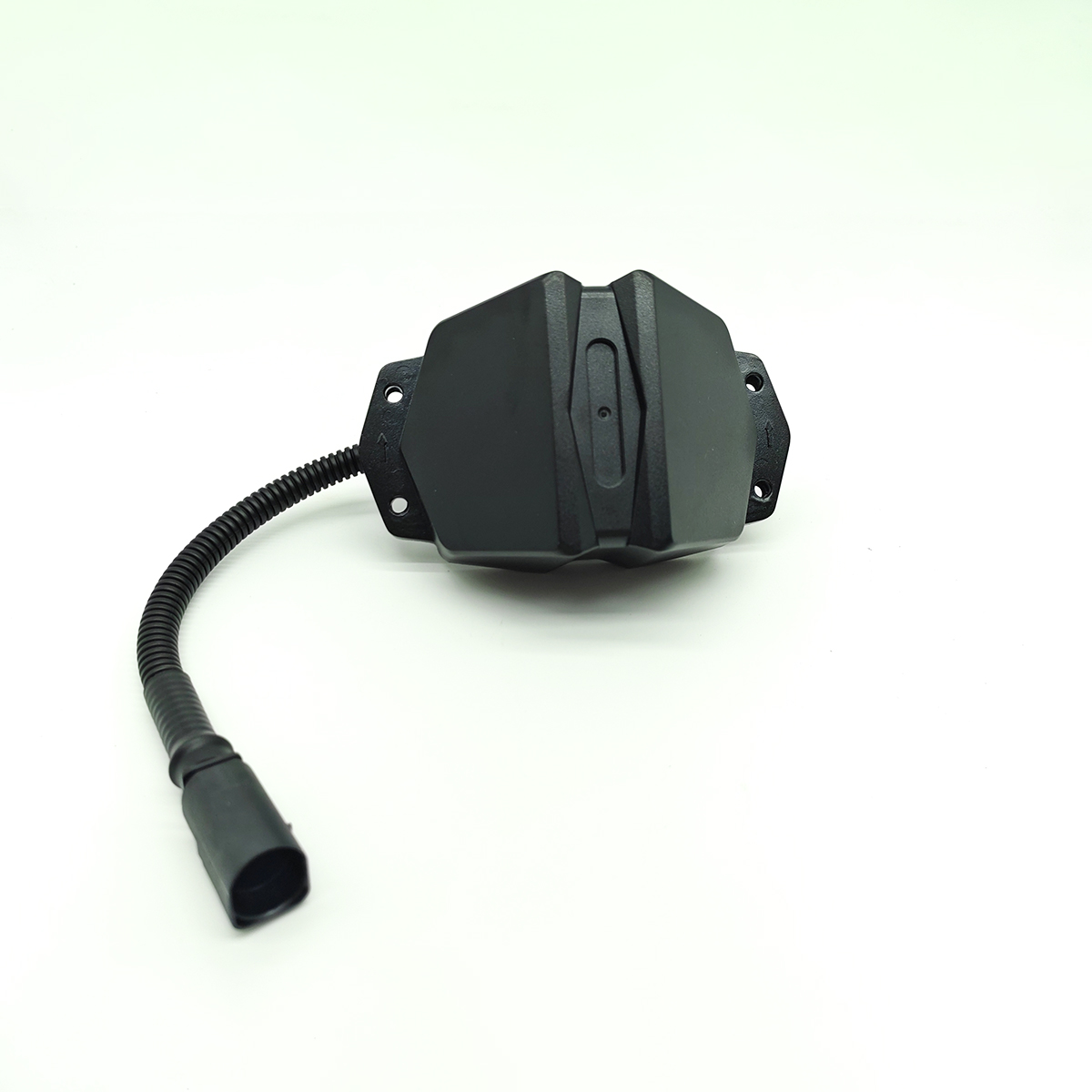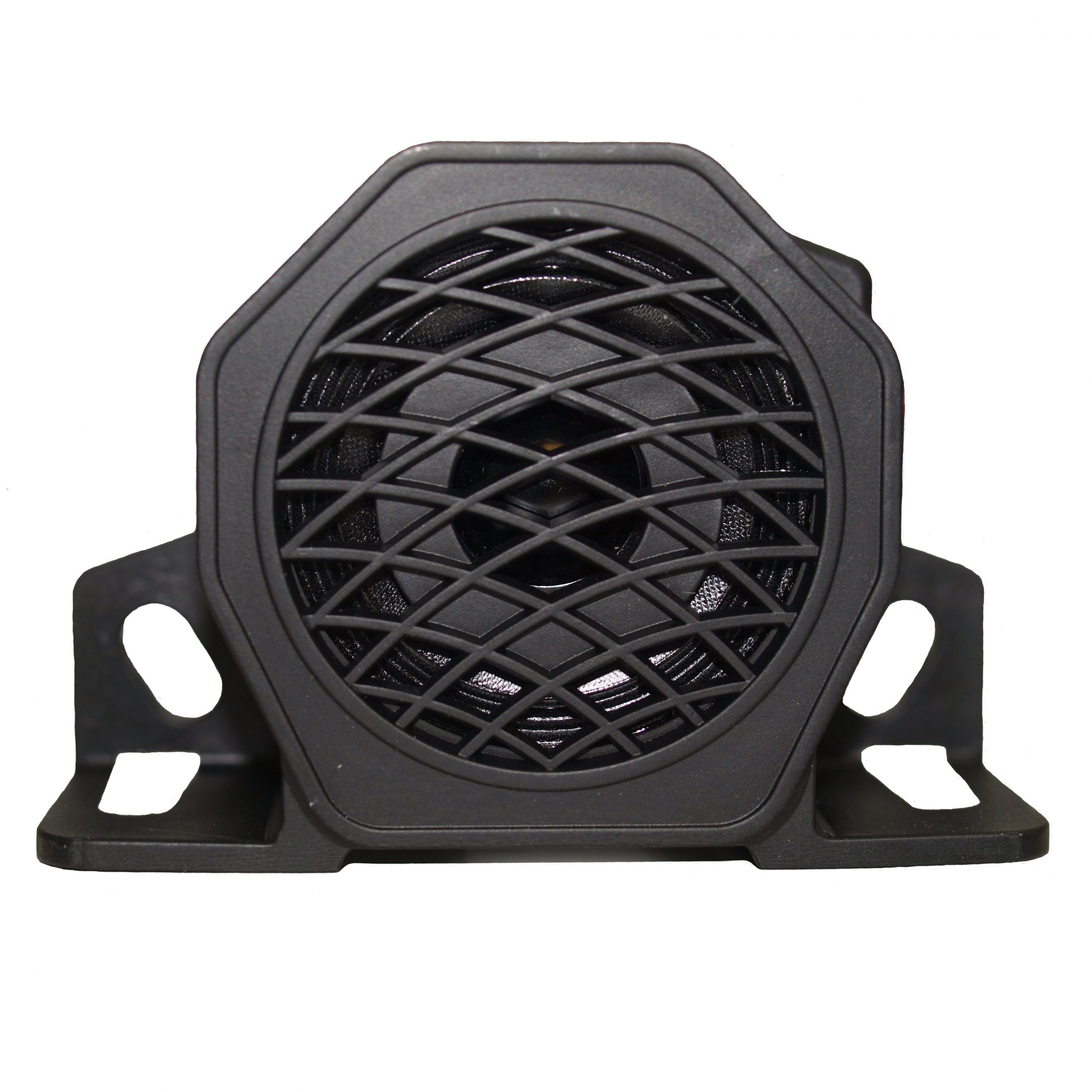
CLOCS — Construction Logistics and Community Safety — is the construction industry framework that determines which transport operators can serve major UK developments. HS2, Crossrail, Thames Tideway, the Lower Thames Crossing, and most major commercial developments in London require CLOCS-compliant vehicles for any logistics movement. Without CLOCS compliance, a haulier cannot operate on the contract regardless of how well-equipped or well-managed their fleet otherwise is.
CLOCS doesn’t define its own camera and sensor specification — it references FORS Silver as the minimum vehicle standard. So CLOCS compliance for the vehicle side of the standard means meeting the FORS Silver camera, sensor, monitor, and audible warning specification. The contractual enforcement is what differs: CLOCS contracts terminate the haulier’s access to the site if vehicles aren’t compliant, regardless of FORS audit cycles.
Three factors make CLOCS compliance commercially critical for transport operators serving construction:
CLOCS Standard V5 (effective March 2025) consolidated previous versions and aligned with FORS Silver+ for vehicle requirements. The vehicle-side requirements are:
The driver-side requirements (separately): cyclist awareness training, drugs and alcohol policy, and FORS Silver Driver requirements where applicable.
Installation time: ~4 hours per vehicle. Documentation: CLOCS-aligned compliance certificate per vehicle.
For vehicles operating both on construction logistics contracts and in Greater London. Adds DVS PSS-specific MOIS to the standard CLOCS kit.
Installation time: ~5 hours per vehicle.
For articulated configurations with trailer-mounted cameras and FORS V7 (January 2025) sensor positioning.
Installation time: ~5–6 hours per articulated combination.
| Aspect | CLOCS | FORS |
|---|---|---|
| What it is | Construction industry framework | Fleet operator accreditation scheme |
| Mandatory? | Contractually mandatory on construction projects | Voluntary nationally; contract-required where specified |
| Vehicle standard | References FORS Silver | Bronze / Silver / Gold tiers |
| Driver standard | CLOCS-specific cyclist awareness | FORS Silver Driver / Gold Driver |
| Enforcement | Contract termination by client | FORS audit + accreditation status |
| Geography | UK-wide (where construction projects specify) | UK-wide |
For most fleet operators, CLOCS compliance and FORS Silver+ are pursued together — the camera and sensor specification overlaps almost entirely, so a single installation satisfies both frameworks. The differentiator is the documentation: CLOCS requires evidence per contract; FORS requires evidence per audit cycle.
CLOCS V5 made several updates that affect fleet operators:
No, but they overlap significantly. CLOCS is a construction industry framework that defines safety standards for construction logistics; FORS is a national fleet operator accreditation scheme. CLOCS references FORS Silver as its vehicle standard, so meeting FORS Silver vehicle requirements automatically meets the vehicle side of CLOCS. The differences: CLOCS is contract-enforced (no audit cycle, just project-by-project verification); FORS has a formal audit and accreditation cycle. For most fleet operators serving construction logistics, both are pursued in parallel — the same kit installation satisfies both standards.
The vehicle equipment specification is the same, so the vehicles can meet the CLOCS technical requirements without FORS accreditation. However, most CLOCS contracts require evidence of compliance — and FORS Silver accreditation is the most common evidence accepted. Without FORS accreditation, the operator must produce alternative documented evidence per contract, which typically takes longer to produce and accept. In practice, most operators serving construction find FORS Silver is the most efficient route to CLOCS compliance.
CLOCS V5 (March 2025) maintains continuity with V4 vehicle requirements but aligns with FORS V7 sensor positioning. Fleets with FORS-V7-compliant equipment are already CLOCS V5-aligned on the vehicle side. Pre-V7 articulated installations should be reviewed against V7 sensor positioning. The driver-side updates in V5 (cyclist awareness training) require fresh training cycles for drivers, not equipment changes.
The principal contractor typically suspends the vehicle from site access until compliance is restored. Repeated non-compliance can result in the operator being removed from the project’s approved supplier list. The financial impact compounds: the lost work for that vehicle plus the reputational impact on the operator with the principal contractor. Some major projects (HS2, Crossrail) maintain shared databases of operators’ compliance history that affect future project access.
The technical specification is the same, so the kit cost is the same. The differences in price come from: documentation requirements (CLOCS contracts may specify more detailed per-vehicle records), driver training (CLOCS-specific modules), and ongoing compliance reporting. For most fleet operators, the equipment cost is identical to a FORS Silver installation; the additional cost is in the operational documentation and driver development.
Yes. CLOCS is referenced by construction projects nationally — major infrastructure projects across the UK (HS2 phases, Lower Thames Crossing, regional regeneration schemes), London commercial developments, and any project where the construction logistics plan specifies CLOCS. The framework was developed by Transport for London but its adoption is UK-wide. London operations also need DVS PSS in addition to CLOCS; outside London, CLOCS alone is the typical contract requirement.
Local planning authorities increasingly include CLOCS compliance as a condition of construction phase planning consent — particularly in London but also in major regional cities (Birmingham, Manchester, Leeds, Bristol). The Construction Logistics Plan (CLP) submitted with the planning application typically specifies CLOCS-compliant vehicles for all logistics traffic. This means that even if the principal contractor doesn’t directly require CLOCS, the planning consent for the development requires it — and compliance flows through the contracting chain.
Tell us what vehicles you run and what you need — we will come back with a recommendation and a price. Prefer to talk? Call 01656 721871.
17 July 2026
Monday to Friday:
8.30am-5.30pm