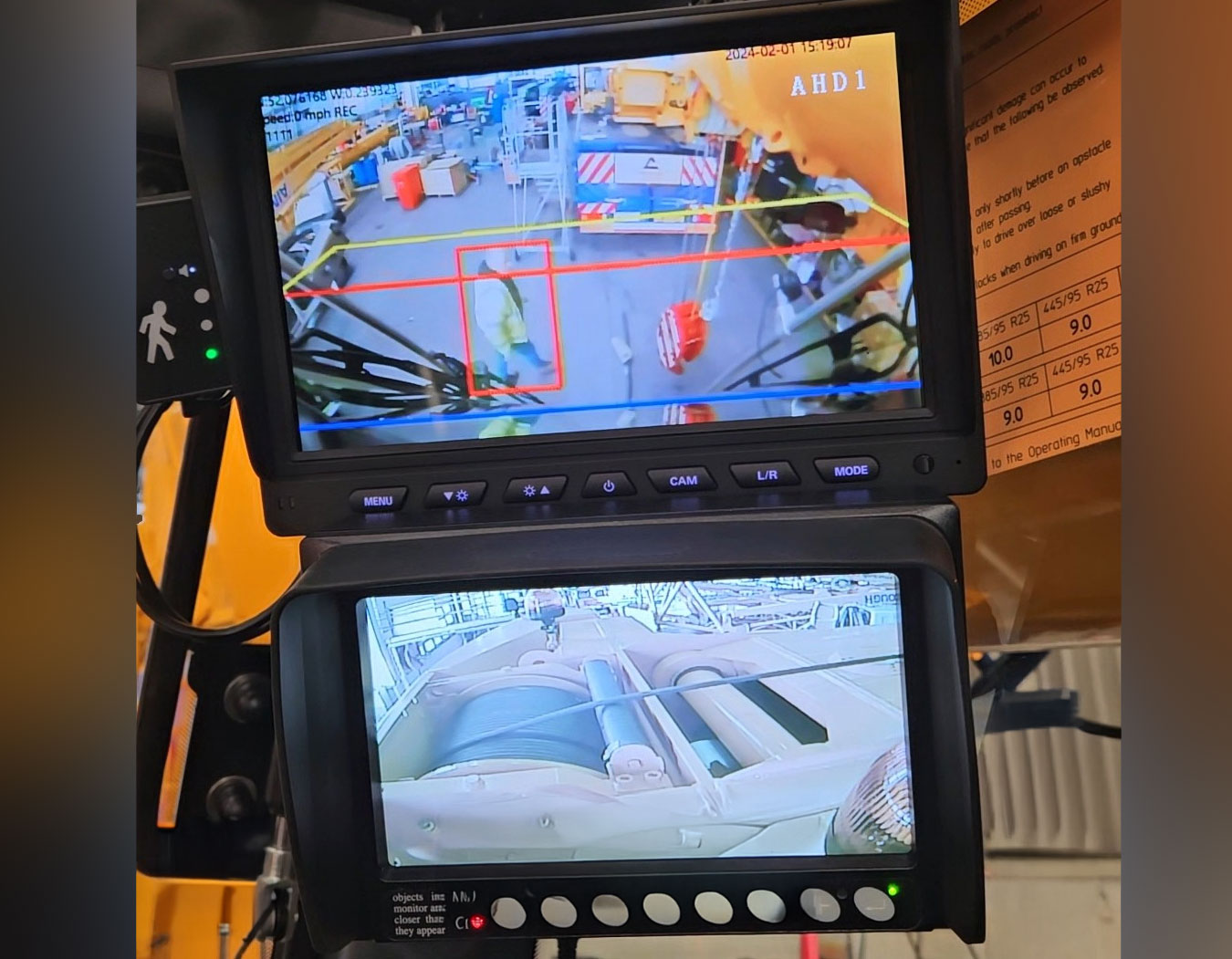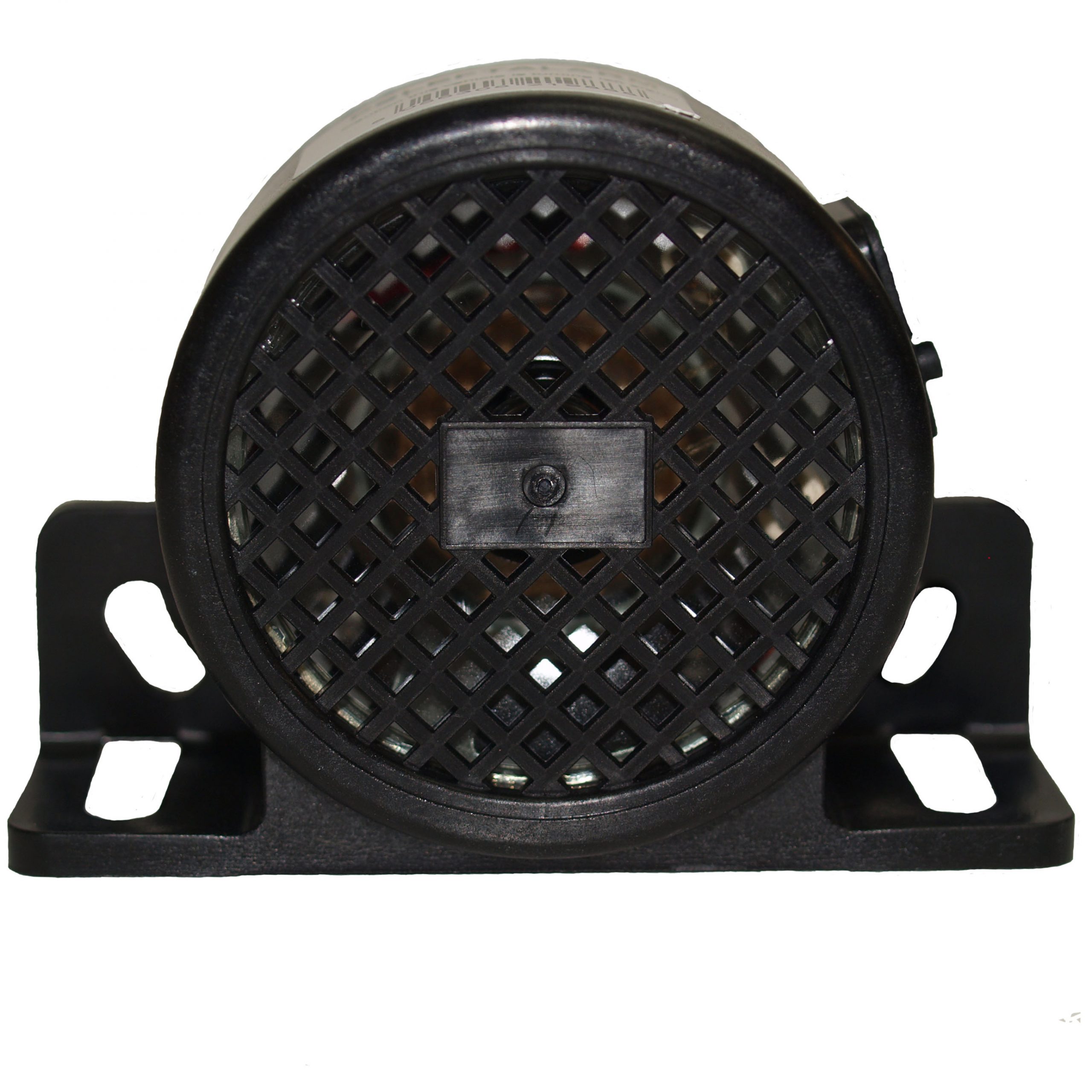
Most HGV-related cyclist and pedestrian fatalities in the UK happen in two specific zones: the nearside blind zone during left turns, and the area immediately ahead of the vehicle at moving-off. Standard mirrors don’t cover either zone adequately on a high-cab HGV. The Direct Vision Standard data showed that addressing these two zones reduced HGV-related serious injuries and fatalities in London by approximately 50% within five years of enforcement. Blind-spot and VRU protection isn’t an optional safety upgrade — it’s the engineering control that the regulatory data identifies as the most consequential single intervention.
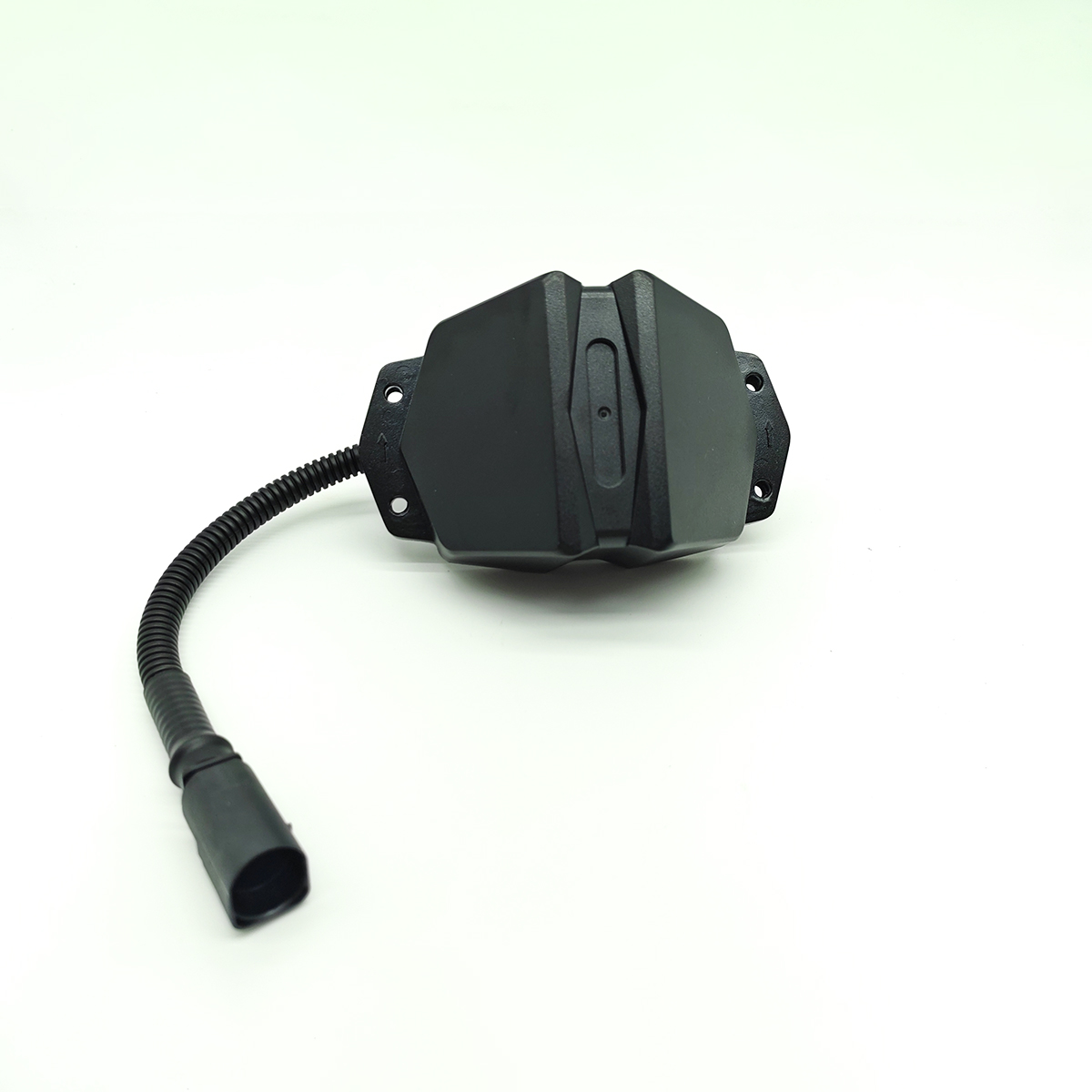
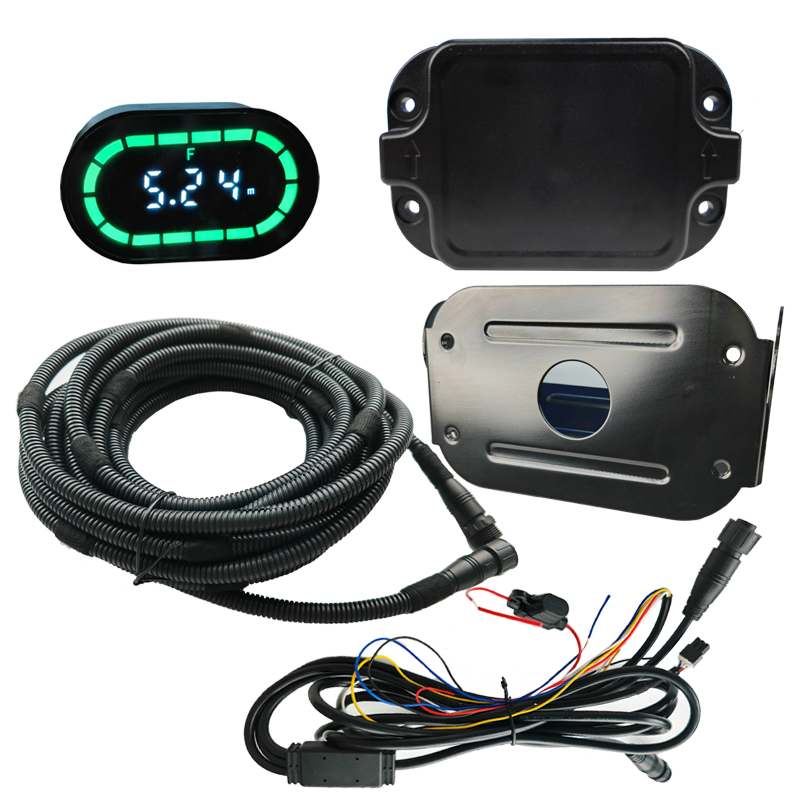
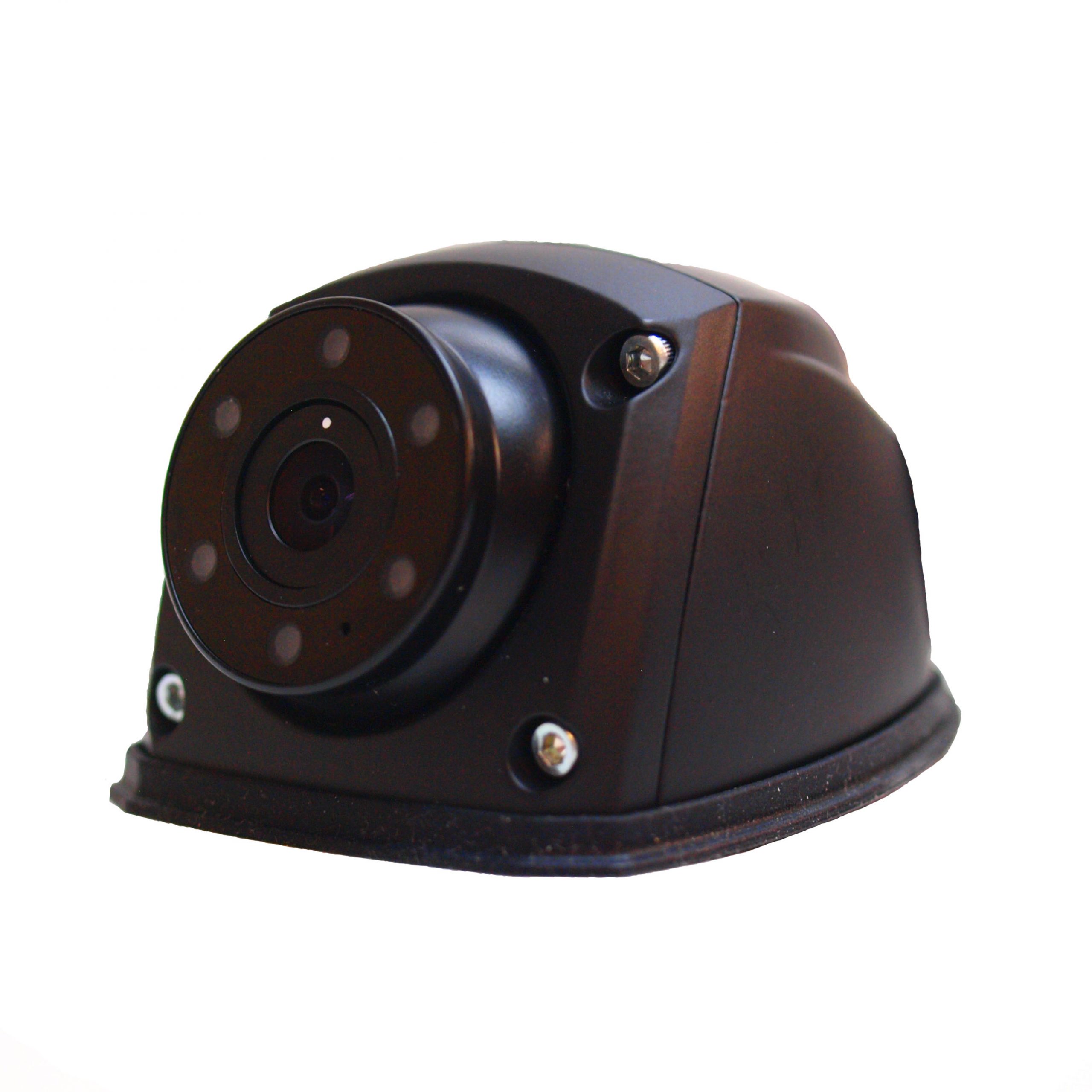
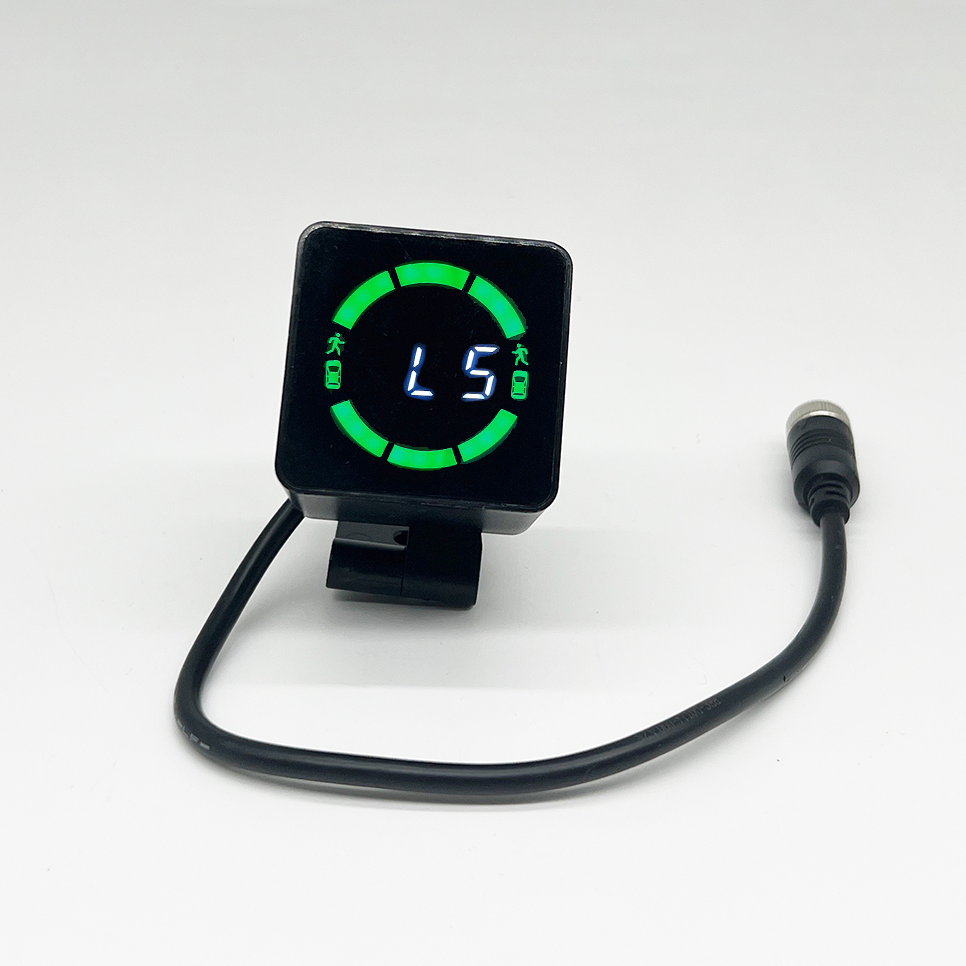
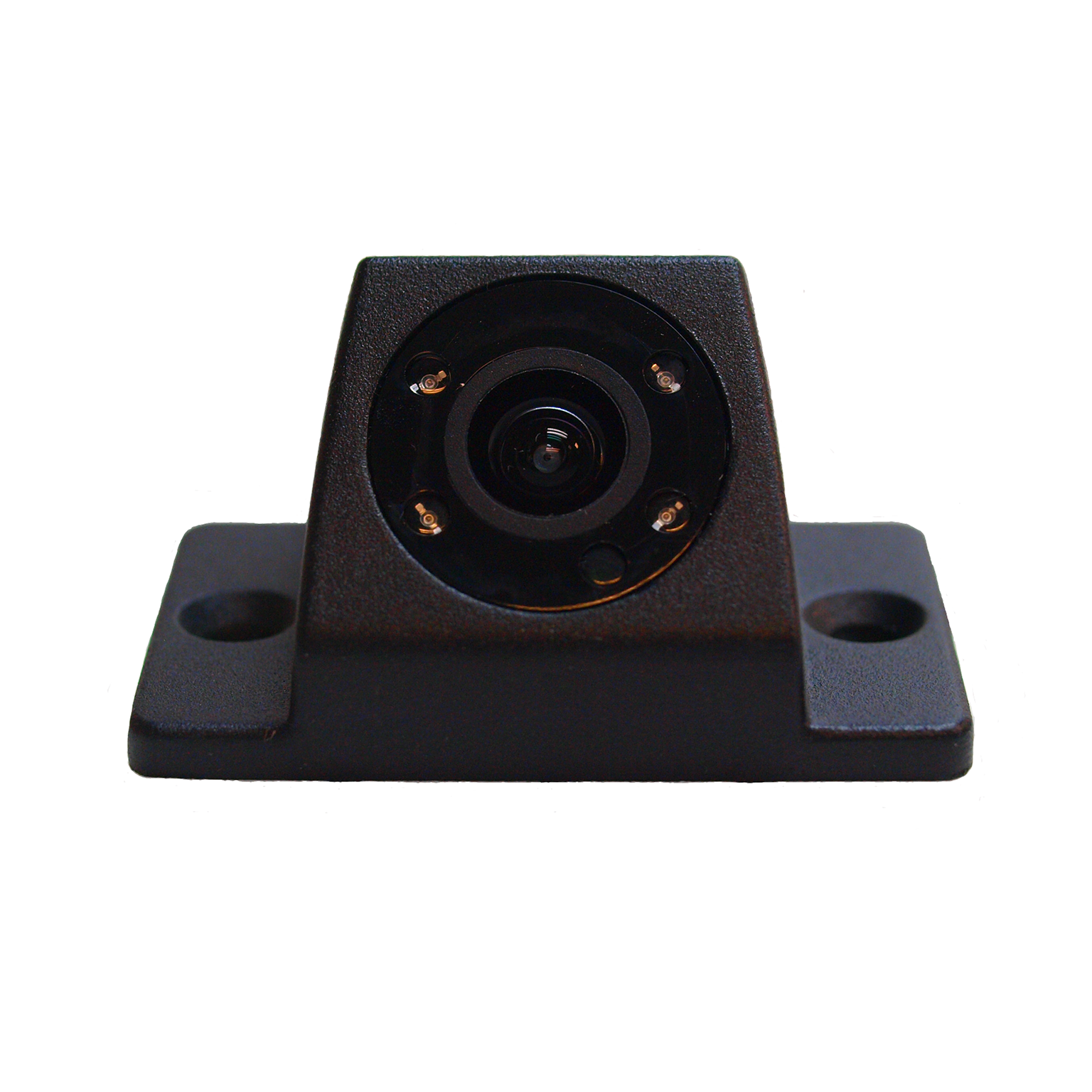
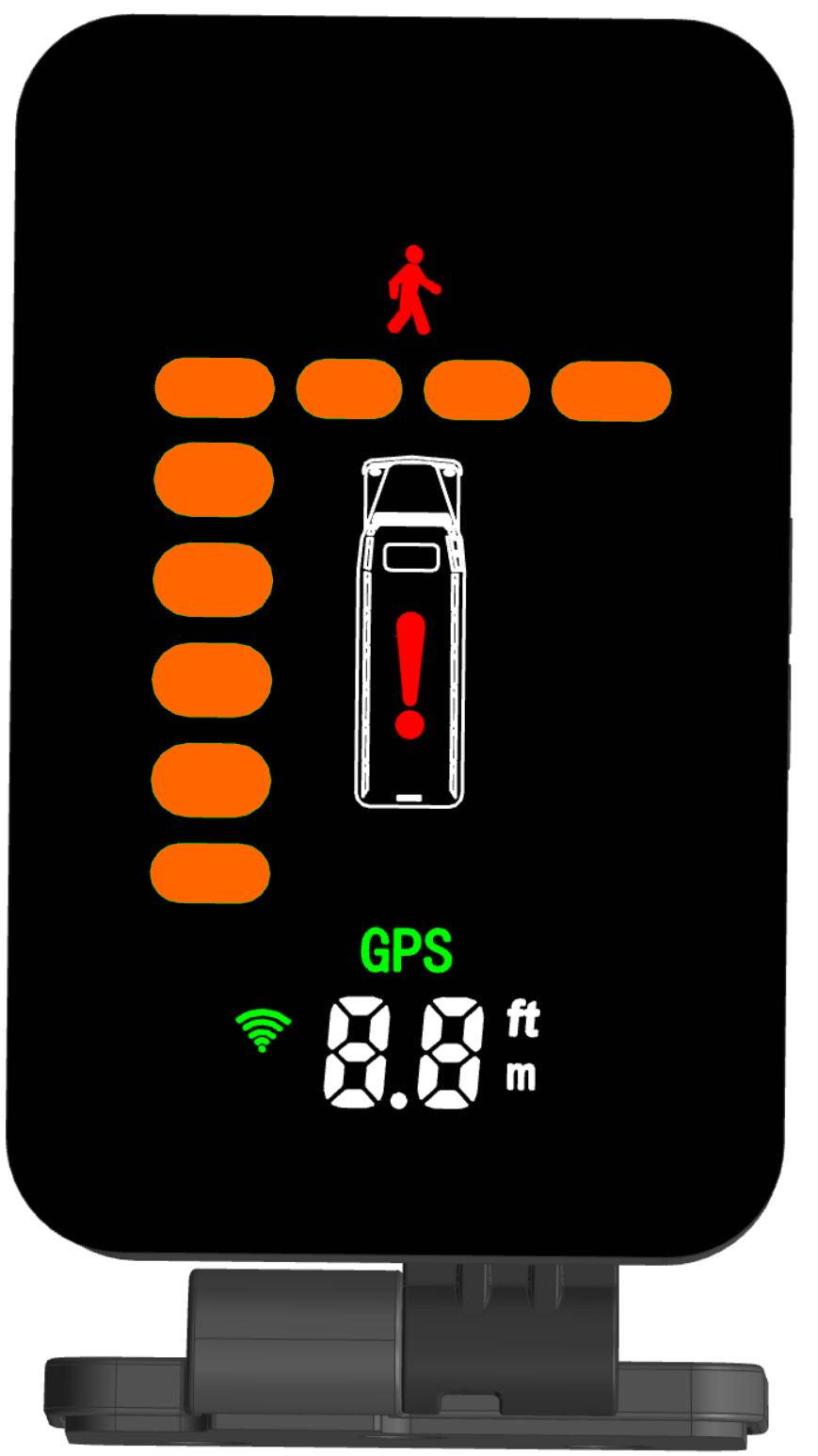
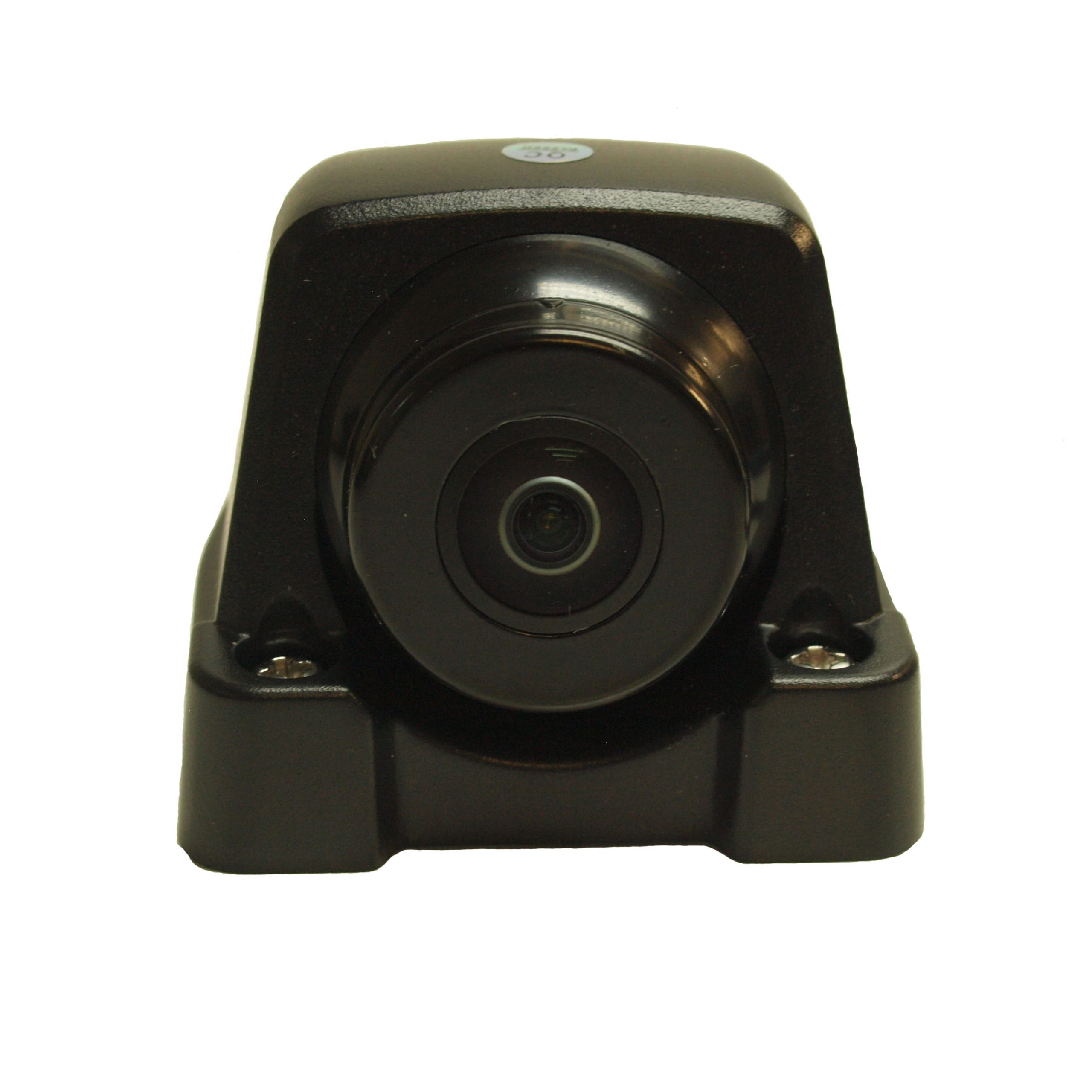
Backwatch supplies the camera, sensor, and audible warning components that address both zones — UNECE Regulation 151-compliant BSIS sensors for the nearside, UNECE Regulation 159-compliant MOIS for the front, side cameras for direct visibility replacement, and external audible warnings to alert VRUs outside the vehicle.
Blind-spot and VRU protection on UK fleet vehicles addresses two specific risk zones:
| Risk zone | Detection | Visual coverage | Alert (in-cab) | Alert (external) |
|---|---|---|---|---|
| Nearside blind zone | BWBSIS Sensor (UNECE R151) | BW690, CW406, MS311 side camera | Audible/visual on left indicator + below 30km/h | LTAbgt left-turn alarm |
| Front blind zone | BWMOIS (UNECE R159), BWFR77GHZ, BWAI | BW686 forward camera | AI pedestrian alert before move-off | — |
| Combined nearside + front | BWBSISMOISCOM single unit | BW690 + BW686 | Both standards apply | LTAbgt + MOIS unit |
Standalone BSIS sensors, side cameras, and left-turn alarms each address part of the nearside risk. The integrated system combines all three:
All three components activate on left indicator, so they work as a single coordinated alert system rather than independently.
MOIS uses AI-based detection to identify pedestrians in the area immediately ahead of the vehicle at ground level — the zone the driver cannot see from the high cab position. The system activates when the vehicle is stationary (just before moving off) and alerts the driver if a pedestrian is detected. This addresses a specific incident pattern that cameras alone don’t fully address: the driver may not be looking at the front camera at the moment they begin to move.
Three MOIS options:
For installations with limited mounting space, the BWBSISMOISCOM combines BSIS and MOIS functions in a single unit — useful for retrofitting older vehicles where the front and nearside positions can’t accommodate two separate units.
| Framework | Nearside requirement | Front requirement |
|---|---|---|
| DVS PSS | CMS camera + BSIS (R151) | MOIS (R159) |
| FORS Silver | Side camera + BSIS-type on all HGVs; rear camera on rigids over 7.5T | Optional |
| FORS Gold | Same as Silver | Optional |
| CLOCS | References FORS Silver | Optional |
| WISH WASTE-04 | Cameras and/or sensors recommended | Recommended |
Each component on its own addresses part of the VRU risk, but the combined system delivers protection that no single component can:
The integrated system addresses the failure mode of each individual component by ensuring the others are also active.
No. A parking sensor is typically ultrasonic, short-range (under 2m), and designed for low-speed parking manoeuvres. A BSIS (Blind Spot Information System) sensor is radar-based, programmable to longer ranges (5m+), and designed for the specific UK HGV nearside cyclist risk during left turns at junction speeds. UNECE Regulation 151 specifies the performance requirements: detection zone, response time, false-alert rate, and indicator-activation logic. Backwatch’s BWBSIS is R151-compliant; standard parking sensors are not.
MOIS targets a specific pattern: a pedestrian standing in front of a stationary vehicle at moving-off. The detection requirement is to identify a person (not just any object) in the immediate forward zone. Radar can detect objects but cannot reliably distinguish a pedestrian from a bollard, a road sign, or a parked vehicle. AI-based image detection trained on pedestrian recognition can make this distinction — the alert is meaningful (someone is at risk) rather than false-positive prone (object detected, no action needed). UNECE Regulation 159 specifies AI-based pedestrian detection for this reason.
Both are required for DVS PSS. The CMS camera provides the visual feed (the Class V/VI mirrors remain fitted); the BSIS sensor provides automated detection. They serve different functions and complement rather than replace each other. FORS Silver requires a side camera plus a BSIS-type sensor on all HGVs, with a rear camera on rigid vehicles over 7.5 tonnes. The reason is that each addresses a different failure mode: the camera fails when the driver isn’t looking; the sensor fails when the alert is dismissed without visual confirmation. Together they’re robust; individually each has gaps.
MOIS uses AI detection to specifically identify pedestrians; a front parking sensor detects any object in close range. MOIS activates before the vehicle moves off; a parking sensor activates during low-speed manoeuvring. For DVS PSS compliance, MOIS-specific equipment is required — UNECE Regulation 159. Front parking sensors don’t satisfy the regulation regardless of how well they detect generic obstacles. The functional difference: MOIS tells the driver “there’s a person in front of the vehicle, don’t move yet”; a parking sensor tells the driver “there’s something close, slow down”.
For most installations, yes. Cameras are typically not affected by V7 changes; the V7 update specifically targets sensor positioning on articulated configurations. Sensors installed before January 2025 on articulated vehicles should be reviewed against V7 — the position may need to be adjusted to prevent false alerts during trailer articulation. Backwatch can audit existing installations and provide an upgrade plan; the recalibration is typically faster and cheaper than full sensor replacement.
The LTAbgt is volume-configurable and indicator-activated — it only sounds during the left turn itself, not continuously during normal driving. For fleets concerned about community impact (refuse collection in residential areas, urban delivery, council operations), the volume can be set to the minimum effective level. The trade-off is the volume must be loud enough that a cyclist with traffic noise around them can hear it — this calibration is part of installation and varies by operating environment.
BSIS is designed for the junction-speed risk: cyclists alongside a turning HGV in urban traffic. Above 30 km/h, the activation logic disables the alert because the risk profile changes (cyclists rarely match HGV speed on motorways or A-roads). The CMS camera continues to provide visual coverage at all speeds — the camera doesn’t switch off, only the sensor’s audible alert does. For higher-speed risk (overtaking cyclists on rural roads), the camera and the driver’s awareness are the controls, not the BSIS alert.
Tell us what vehicles you run and what you need — we will come back with a recommendation and a price. Prefer to talk? Call 01656 721871.
17 July 2026
Monday to Friday:
8.30am-5.30pm