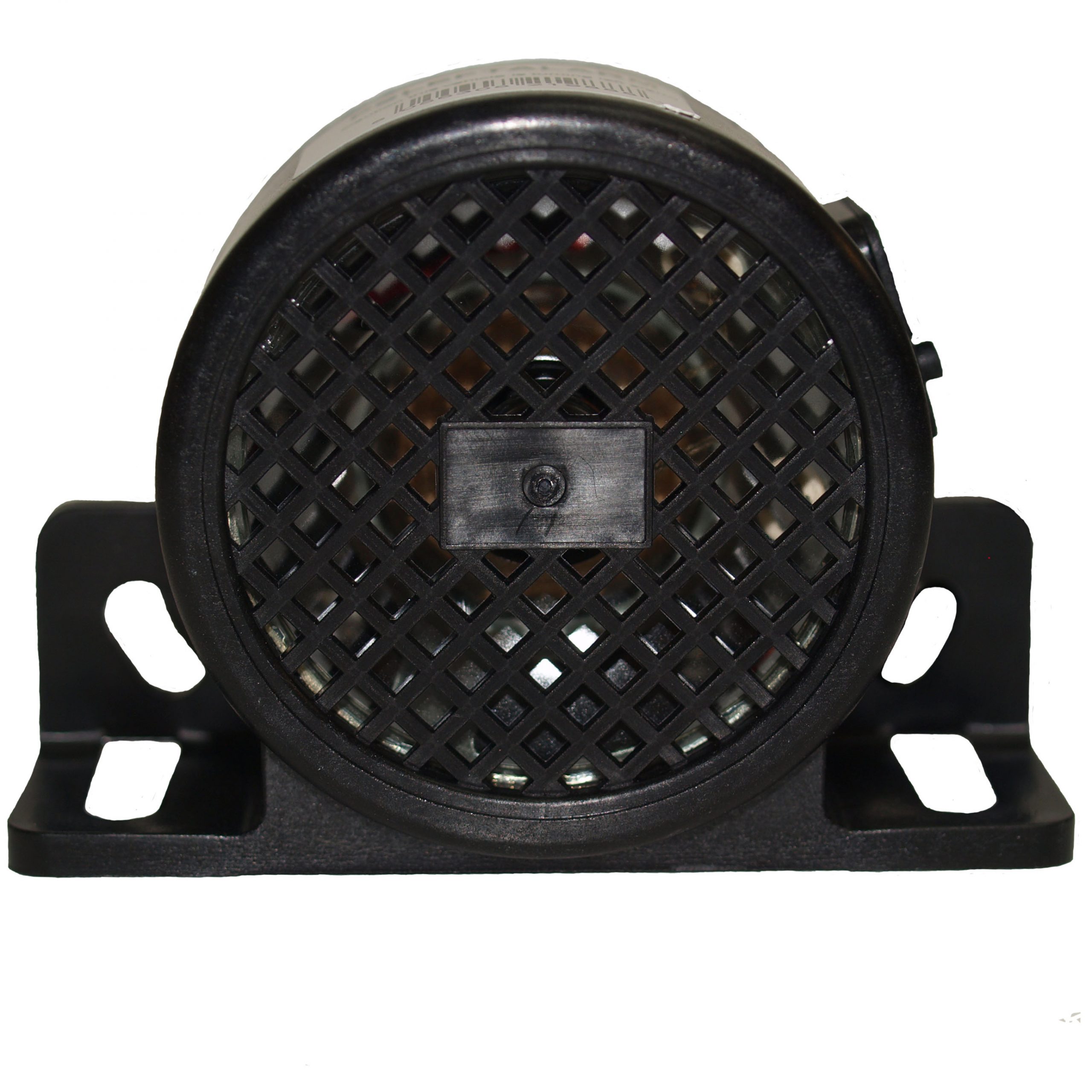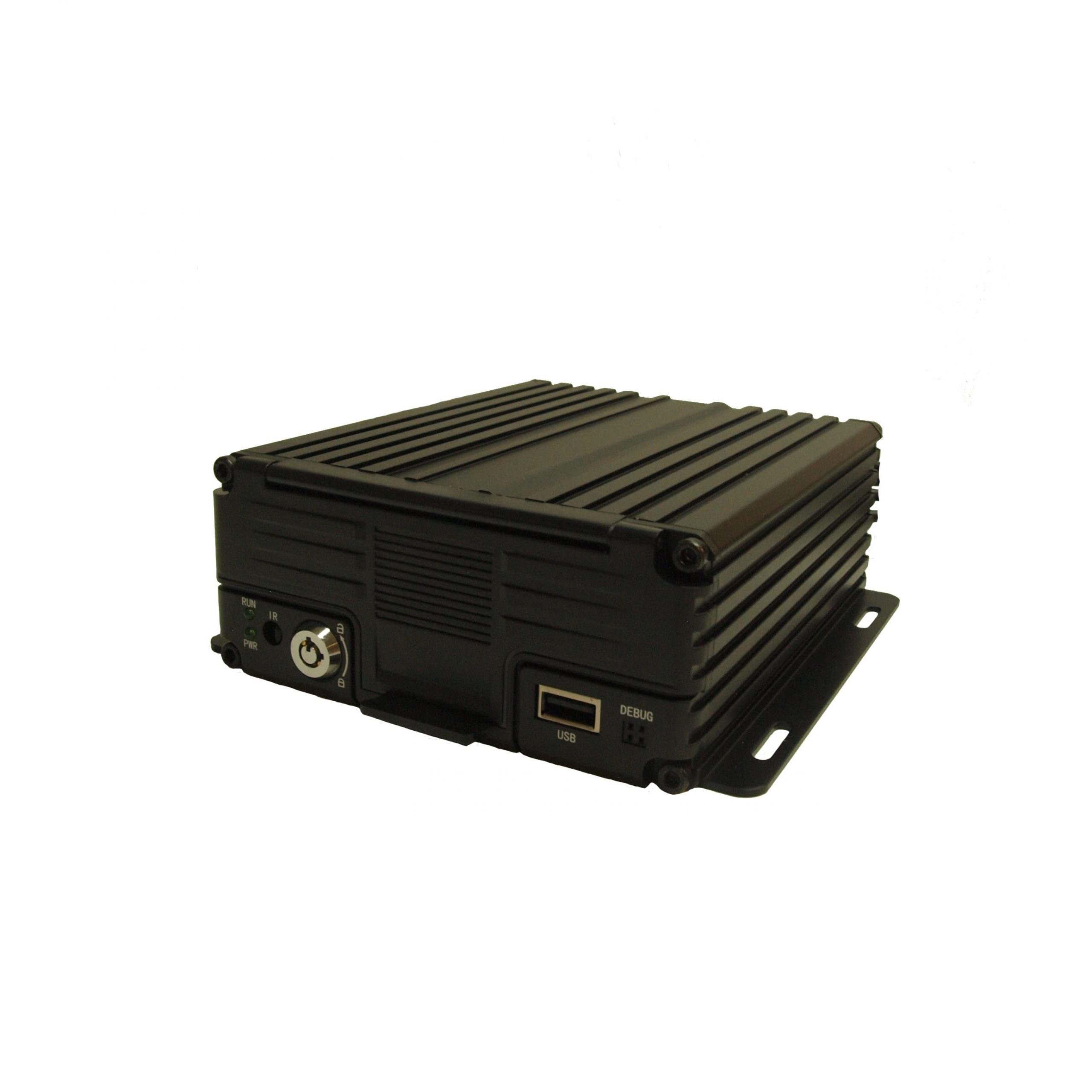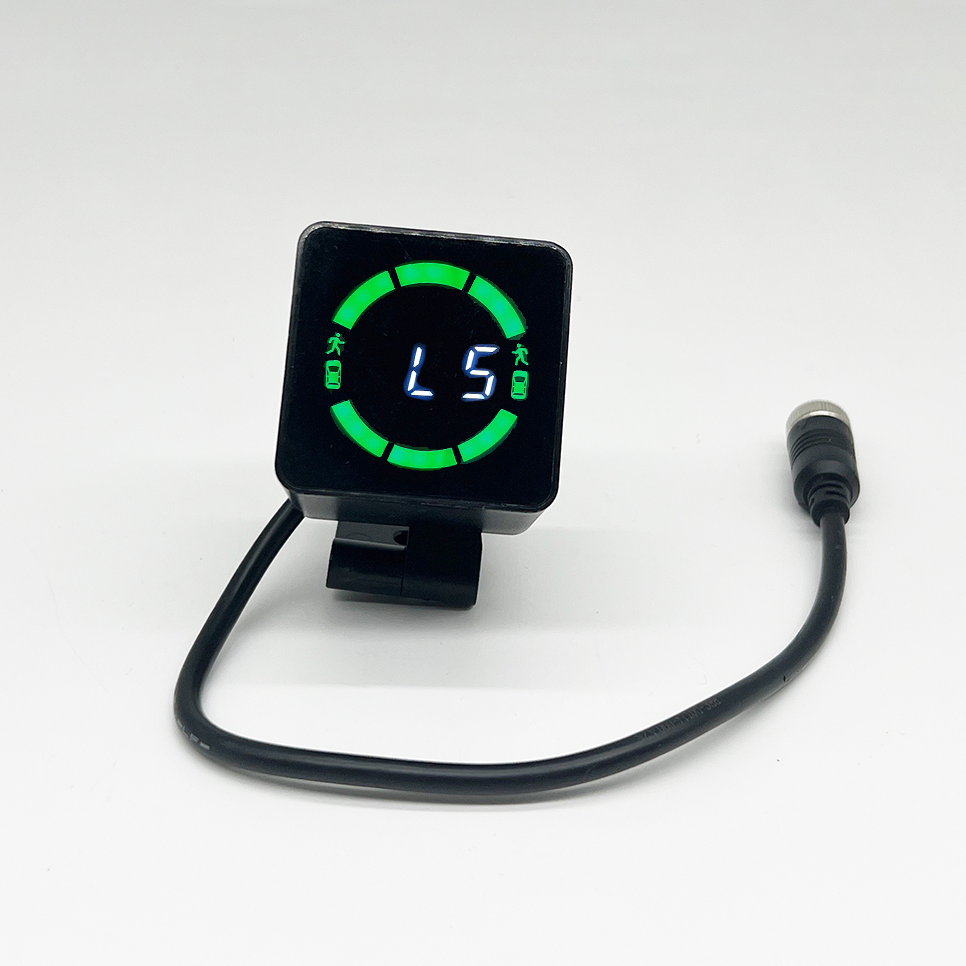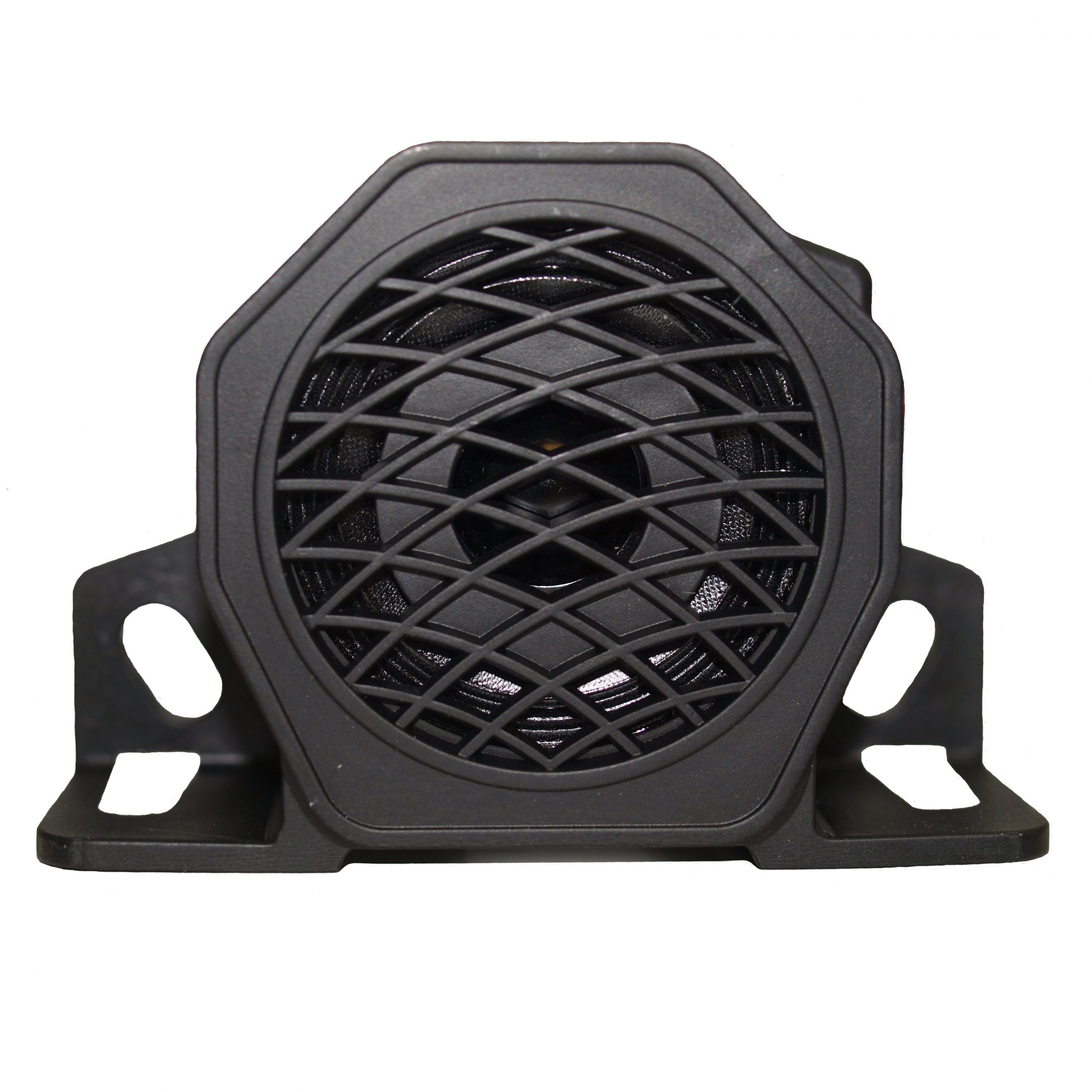
Specifying a vehicle camera and sensor system component-by-component is how a fleet operator ends up with a system that satisfies a parts list but fails a compliance audit. The CMS camera is fitted but the BSIS sensor isn’t UNECE R151 compliant; the monitor is the right size but doesn’t survive direct sunlight; the MDVR records the cameras but the indicator-activation logic was never wired correctly. Each individual product passes inspection; the integrated system doesn’t satisfy the compliance framework.
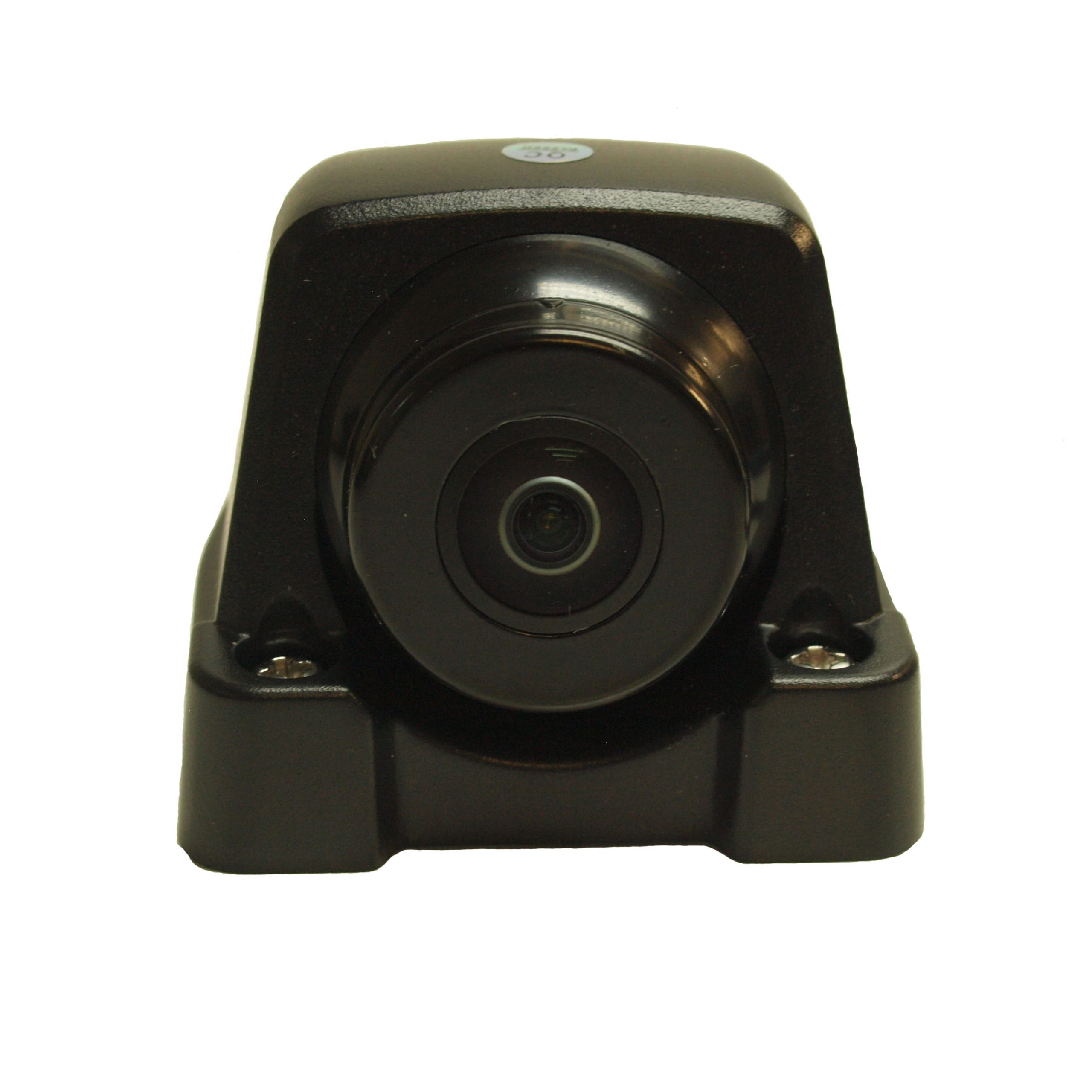
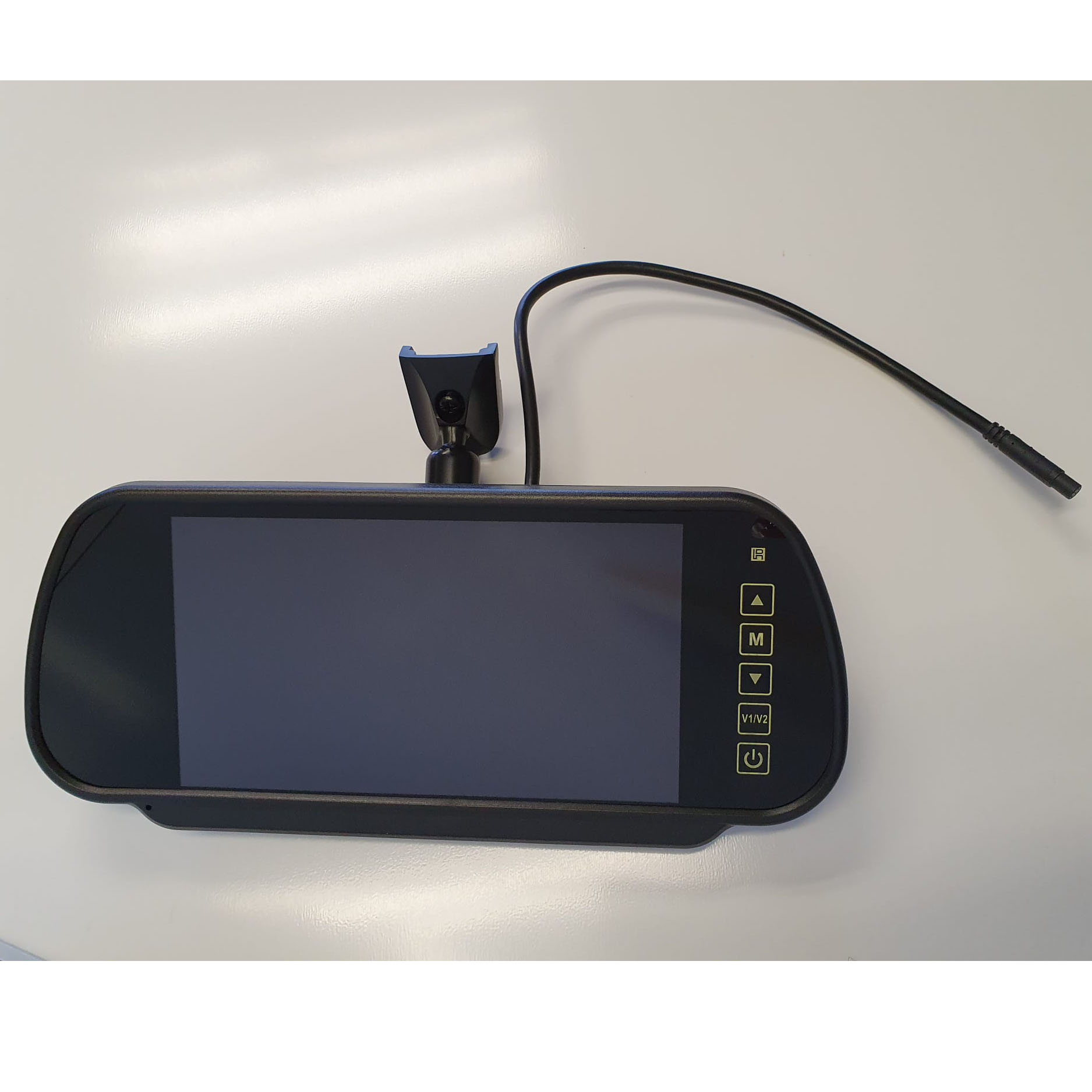
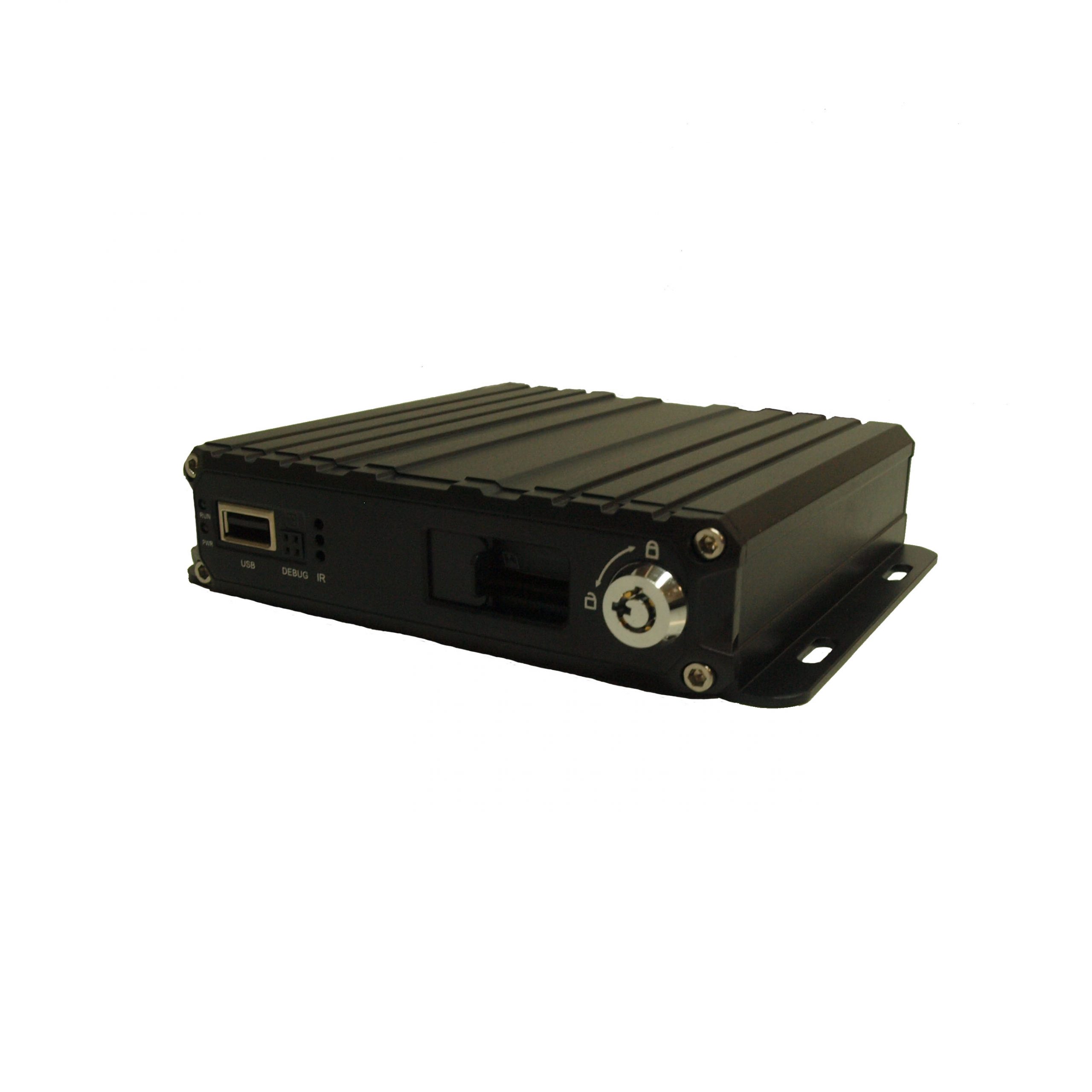
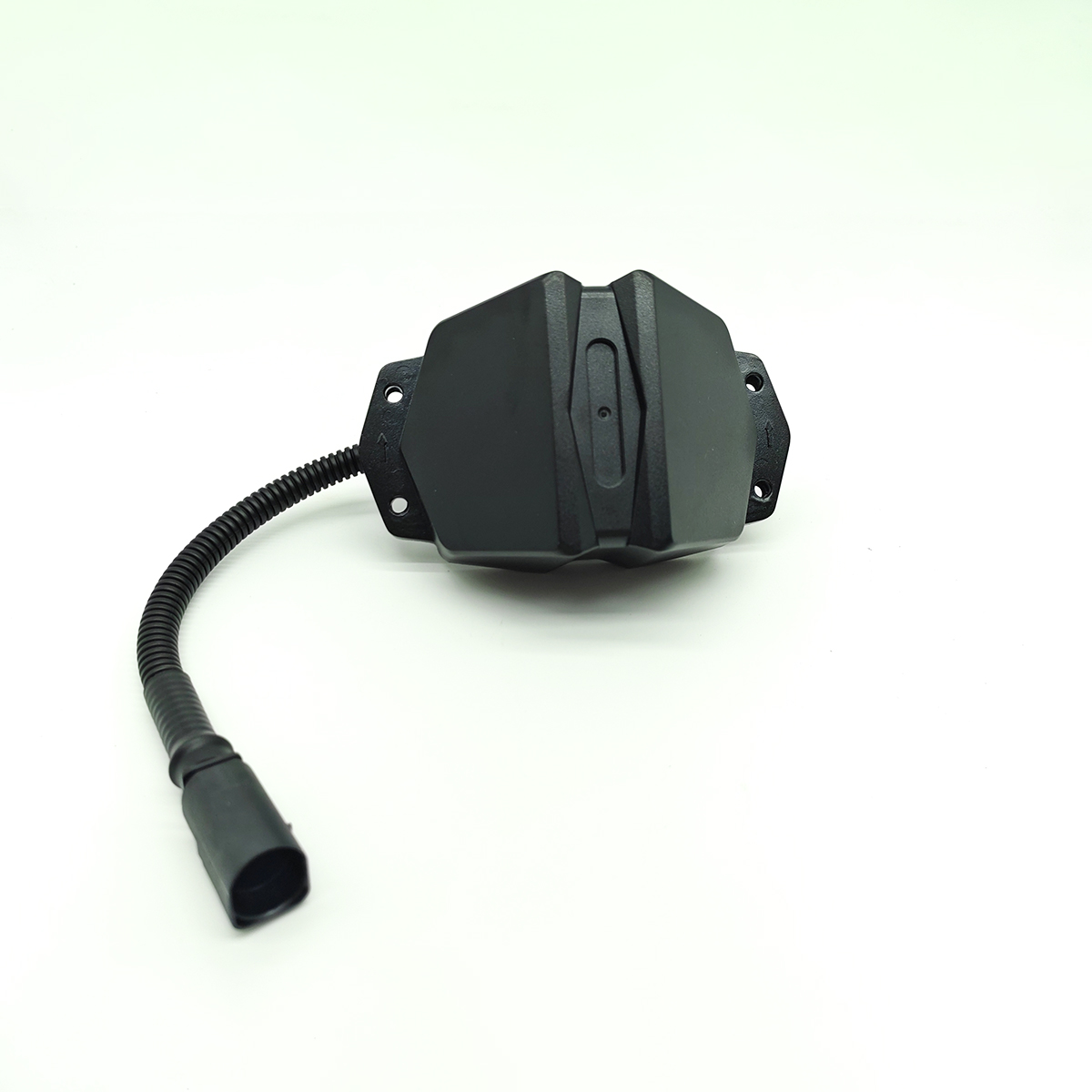
Backwatch fleet kits are pre-configured packages — the right combination of camera, sensor, MDVR, monitor, and audible warning to satisfy a specific compliance framework, fitted as a single integrated installation. The kit specifications below align directly with FORS Silver, FORS Gold, DVS PSS, CLOCS, and combined-framework requirements.
Three integration failures are common when fleet camera systems are assembled component-by-component:
For HGVs over 12 tonnes operating in Greater London. Satisfies the Progressive Safe System requirements for an HGV Safety Permit.
Installation time: ~5 hours per vehicle. Documentation: PSS installation certificate per vehicle for TfL submission.
For rigid HGVs over 7.5 tonnes pursuing FORS Silver accreditation — the minimum standard for CLOCS and most major UK construction logistics contracts.
Installation time: ~4 hours per vehicle. Documentation: FORS Silver compliance certificate per vehicle.
The same per-vehicle specification as the FORS Silver kit — the differentiator at Gold is that members publish a case study. Backwatch handles fleet retrofitting programmes from initial site survey through to audit-ready documentation.
Installation: 11–14 weeks for typical 30–50 vehicle fleet. Documentation: fleet compliance register listing every vehicle with installation date and FORS Gold readiness.
For London-operating HGVs where both standards apply. Pre-configured to satisfy both — single installation visit, single documentation set covering both frameworks.
Combines: BW690 + BWBSIS + BWMOIS + BW701 + LTAbgt + EA5050 + BW688 + BWMS585E. Installation time: ~5–6 hours per vehicle.
Refuse-specific kit covering bin lift zone, hopper, and reversing — aligned with WISH WASTE-04 guidance and FORS/CLOCS requirements.
Installation time: ~6 hours per vehicle.
For surface mining, quarrying, and agricultural machinery operating outside the road compliance frameworks but requiring engineering controls under MHSWR and the Quarries Regulations.
Installation time: 6–8 hours per vehicle depending on body complexity.
| Compliance need | DVS PSS | FORS Silver | FORS Gold | RCV/Refuse | Off-road |
|---|---|---|---|---|---|
| Nearside CMS camera | ✓ | ✓ | ✓ (as Silver) | ✓ | — |
| BSIS sensor (R151) | ✓ | ✓ | ✓ (as Silver) | ✓ | — |
| MOIS (R159) | ✓ | — | — | ✓ | — |
| 7″ monitor min | ✓ | ✓ | ✓ (as Silver) | ✓ + anti-glare | 9″ recommended |
| Left-turn warning | Best practice | ✓ | ✓ (as Silver) | ✓ | — |
| Reversing alarm | Best practice | ✓ | ✓ (as Silver) | ✓ white-sound | ✓ enhanced |
| Multi-channel MDVR | Optional | Optional | Best practice | ✓ | ✓ shock-rated |
| Hopper camera | — | — | — | ✓ | — |
| Bin lift sensor | — | — | — | ✓ (LOLER) | — |
| Off-road sensor calibration | — | — | — | — | ✓ |
Two reasons: integration confidence and audit readiness. A pre-specified kit means every component required for the target compliance framework is included — no missed audible warning, no mismatched signal formats, no indicator-activation wiring gaps. The installation is a single coordinated visit rather than separate camera/sensor/alarm visits, which reduces vehicle downtime and means the entire system is commissioned together rather than tested piecemeal. Audit documentation is consistent and matches the framework being targeted.
Yes. Standard kits cover the principal compliance frameworks but most fleet installations include some customisation — alternative camera positions for unusual body types, different MDVR channel counts based on camera coverage requirements, or specific monitor sizes for the cab. Backwatch site surveys identify customisation needs before quoting; the customisation is part of the kit specification, not a separate add-on.
For a typical 30–50 vehicle fleet pursuing FORS Gold or combined DVS PSS + FORS Silver: 11–14 weeks from site survey to all vehicles complete. Larger fleets (100+ vehicles) are scheduled in three or four parallel installation streams to compress the timeline. The schedule is built around the operator’s vehicle availability — vehicles released to installation overnight or on rest days to avoid operational disruption. Initial site survey: 1–2 days. First vehicle commissioned: typically week 2–3. Programme completion: 11–14 weeks for 30–50 vehicles.
DVS PSS is a TfL statutory requirement for London routes; FORS Silver is a contractual accreditation for major project access. The technical overlap: nearside camera and BSIS sensor satisfy both. The differences: DVS PSS additionally requires MOIS (front pedestrian detection); FORS Silver additionally requires audible left-turn warning and reversing alarm (which DVS PSS doesn’t directly mandate). For London-operating fleets pursuing major-project contracts, the combined kit covers both with shared core components plus the unique requirements of each.
Yes — kits are typically retrofitted across mixed-age fleets. Older vehicles (10+ years) may require additional installation time for cable routing through cab structures that have no existing conduit, but the equipment specification is unchanged. FORS Gold uses the same equipment specification as Silver — Backwatch handles older-vehicle retrofits as part of fleet programmes routinely.
Per-vehicle pricing reduces with fleet volume. Single-vehicle installations carry the full installation overhead; fleet programmes with consistent vehicle types and parallel installation scheduling reduce the per-vehicle cost. Backwatch quotes provide both per-vehicle and fleet-level pricing during the site survey phase. The exact pricing depends on fleet size, vehicle mix, and installation timeline — provided as a transparent specification rather than published rate-card.
Standard kits include the MDVR but not the cellular connectivity. The MR9704E MDVR has built-in 4G; the BWMS585E supports an optional cellular module. For Live View Platform access, the cellular MDVR option is required — usually specified at quote stage based on whether the fleet wants real-time portal access. Without cellular, the MDVR records locally and footage is retrieved by physical SD card or by USB connection at depot.
Tell us what vehicles you run and what you need — we will come back with a recommendation and a price. Prefer to talk? Call 01656 721871.
17 July 2026
Monday to Friday:
8.30am-5.30pm