A proximity sensor that fires every time the tipper body cycles is not a safety system — it is noise that drivers learn to tune out, and then to disable. The challenge of sensor specification on UK fleet vehicles is not identifying which zones need coverage; it is specifying sensors that cover those zones accurately without triggering false alerts from the vehicle’s own complex bodywork. A BSIS sensor calibrated for the wrong vehicle profile is operationally identical to no sensor at all.
Backwatch supplies sensors with programmable detection zones, exclusion zones for the vehicle’s own body profile, and the UNECE compliance standards that DVS PSS, FORS, and CLOCS require. Each sensor is calibrated for the specific vehicle it is installed on — not a generic factory configuration applied across the fleet.
Three failure patterns are common with poorly specified sensor installations:
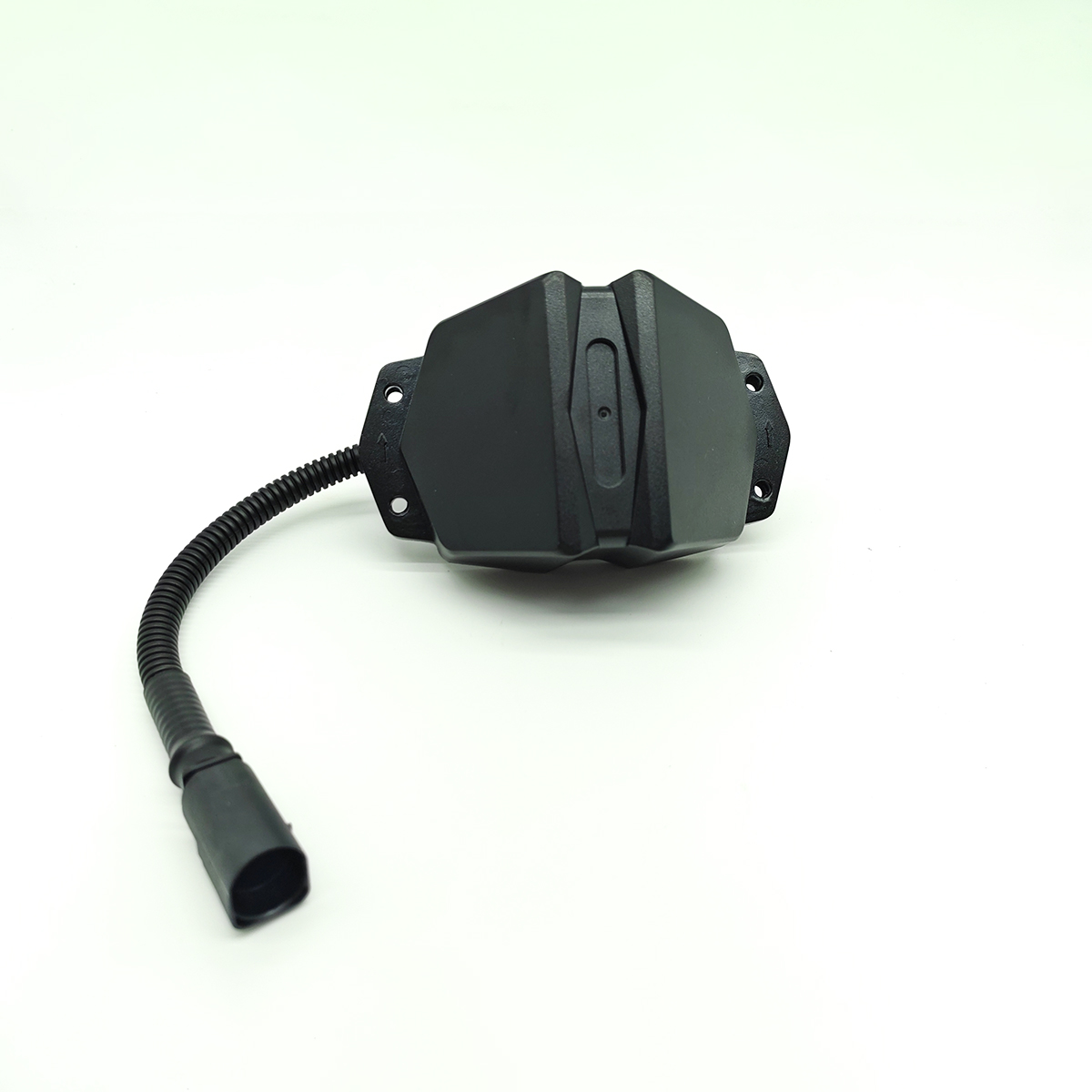
| Sensor | Technology | Position | Detection range | Activation | Compliance |
|---|---|---|---|---|---|
| BWBSIS Sensor | Radar | Nearside blind zone | 0–5m programmable, two-zone | Left indicator, <30 km/h | DVS PSS, FORS Silver+, UNECE R151 |
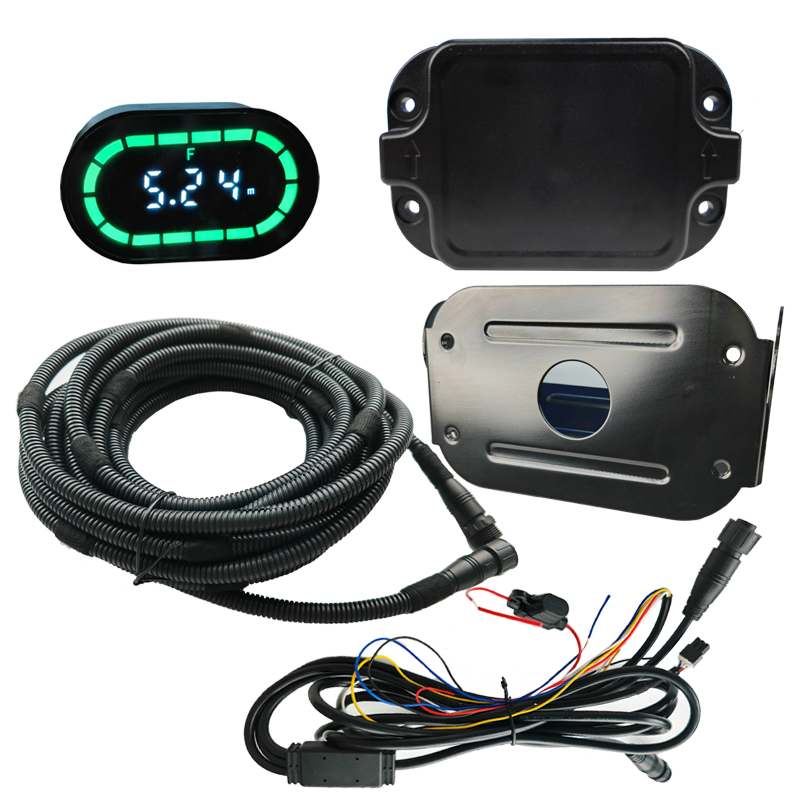
| BWMOIS | Camera-AI | Front, immediate forward | AI pedestrian detection | Vehicle stationary, before move-off | DVS PSS, UNECE R159 |
| BWBSISMOISCOM | Combined radar + camera-AI | Nearside + front | BSIS + MOIS in single unit | Both standards apply | DVS PSS, UNECE R151+R159 |
| BWFR77GHZ | 77GHz radar | Front | Extended-range radar | Stationary alert | DVS PSS (MOIS) |
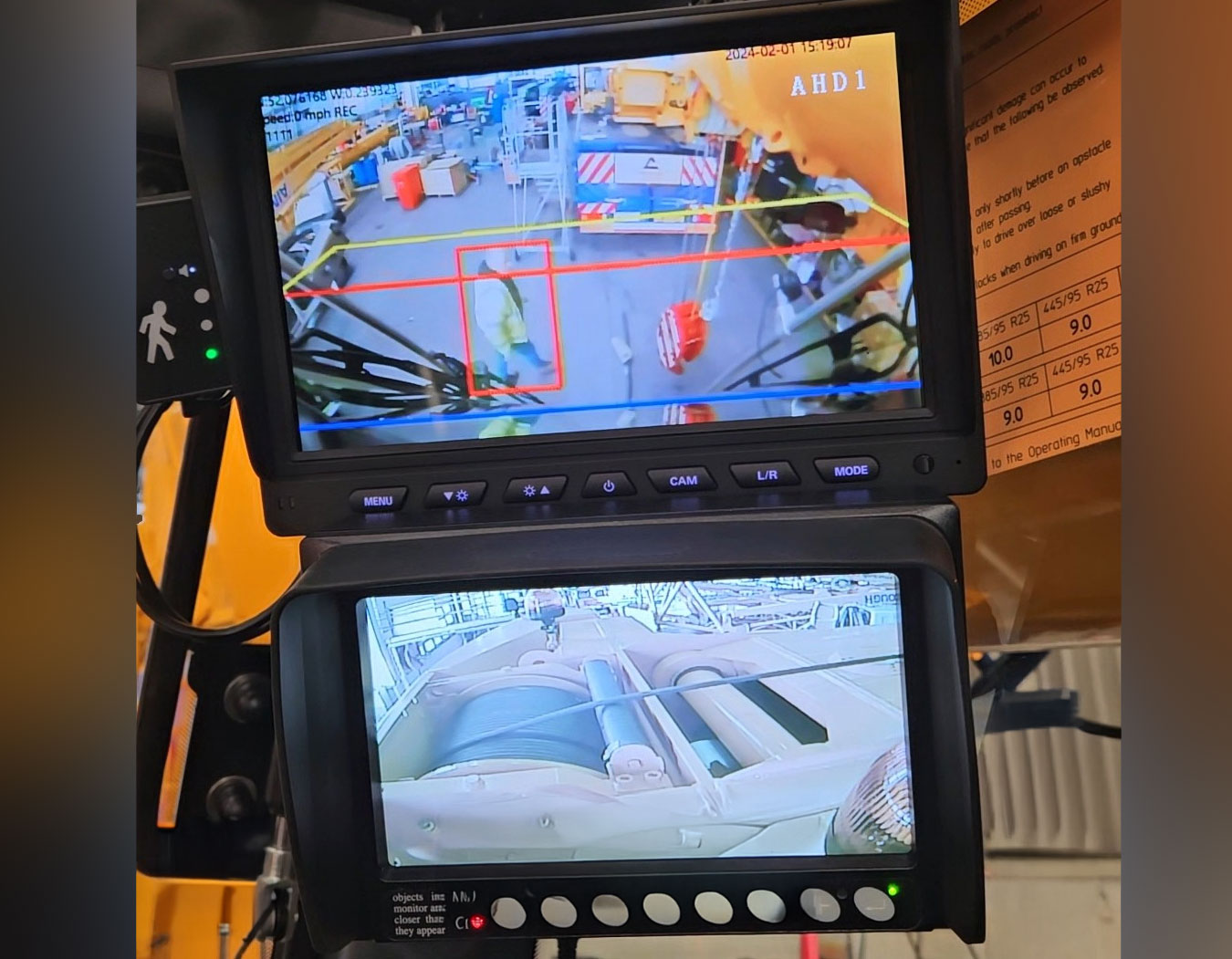
| BWAI | AI camera + radar | Various positions | Multi-zone AI detection | Configurable | DVS PSS, AI fleet programmes |
| BWB07 Ultra Sonic Sensor | Ultrasonic | Close-range (rear, blind spots) | 0–2m | Reverse gear or continuous | Supplementary detection |
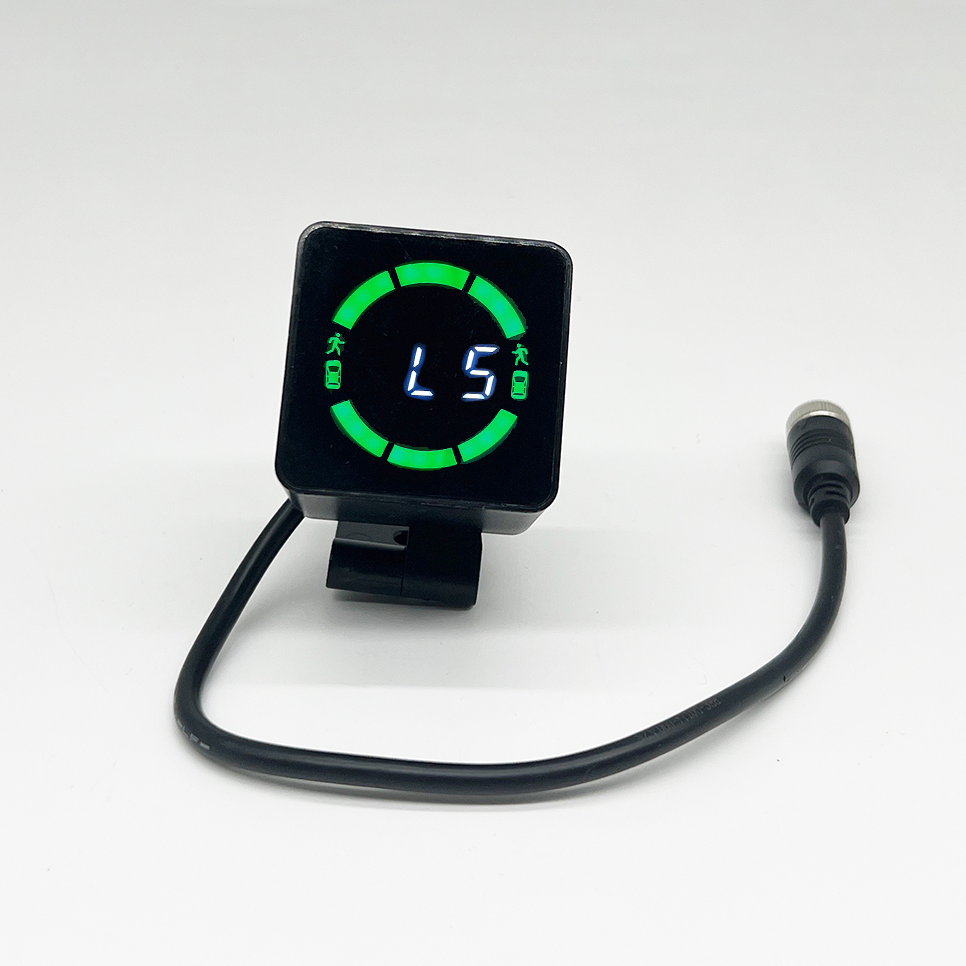
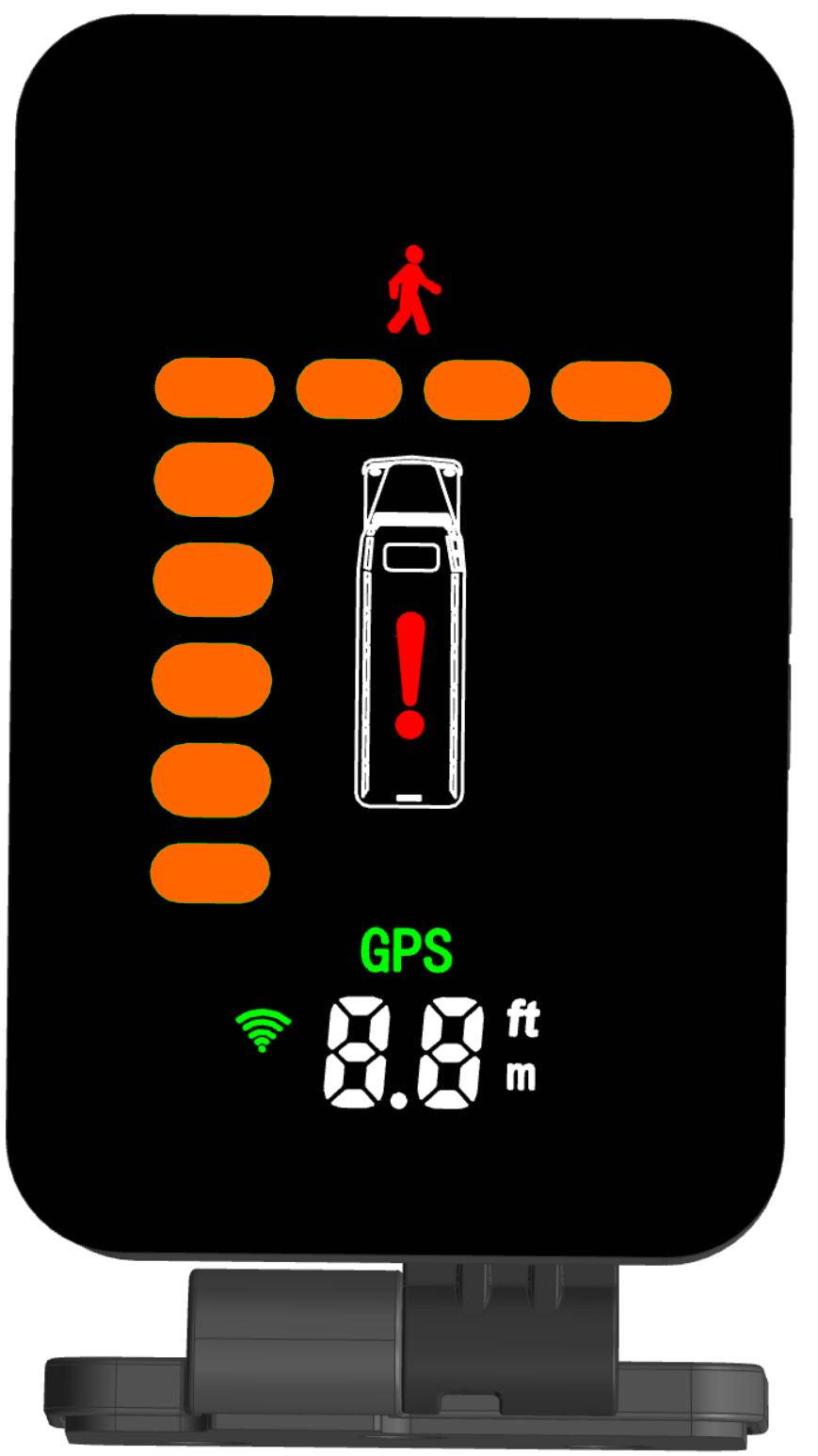
The BSIS sensor — the BWBSIS — is a UNECE Regulation 151-compliant nearside detection system required by DVS PSS and FORS Silver+. Two-zone programmable: warning zone (0–5m) and alert zone (0–2m). Indicator-activated to prevent continuous false alerts during motorway running. Mounting position and exclusion zone configuration is per-vehicle — particularly on tippers and articulated configurations where the body profile creates false-alert risk.
MOIS addresses the specific risk of moving-off pedestrian fatalities. UNECE Regulation 159 requires AI-based pedestrian detection covering the area directly ahead of the vehicle at ground level — the zone the driver cannot see from the cab in a high-driving-position HGV. Three options:
The BWAI is Backwatch’s AI variant — combining camera and radar with AI processing for pedestrian, cyclist, and vehicle detection across configurable zones. Used by fleets standardising on AI across PSS and FORS programmes, and in driver monitoring applications where the AI processor handles fatigue, phone use, and seatbelt detection alongside pedestrian zones.
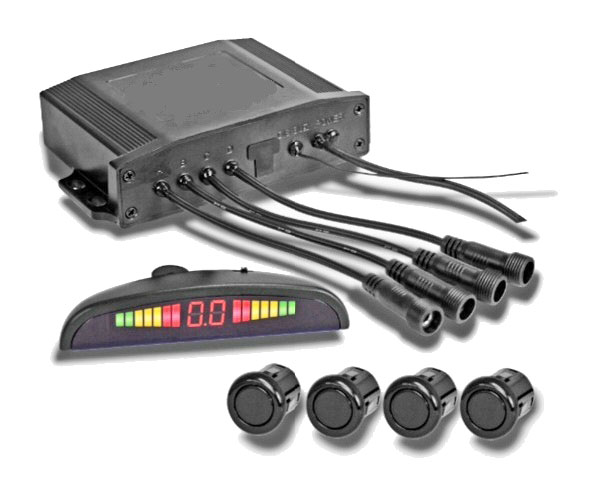
The BWB07 ultrasonic sensor provides supplementary close-range detection — typically the immediate rear bumper zone (0–2m) on reversing operations. Ultrasonic is lower cost than radar and adequate for confined-zone detection where the vehicle’s body profile is straightforward. For complex profiles (tippers, refuse vehicles), radar with programmable zones is the more reliable technology.
Sensors are not a plug-and-play installation. Each unit requires per-vehicle calibration:
Backwatch installation includes commissioning tests — walking through each detection zone to confirm alerts trigger correctly, and walking through exclusion zones to confirm no false alerts. The commissioning record is provided per vehicle for FORS audit and DVSA inspection purposes.
A Blind Spot Information System (BSIS) sensor meets UNECE Regulation 151, which defines specific performance requirements for HGV nearside blind-spot detection: detection zone coverage area, response time, false-alert rate, indicator-activation logic, and below-30km/h activation. A standard proximity sensor doesn’t necessarily meet these requirements — it may detect objects but at different ranges, with different alert logic, and without the indicator activation that DVS PSS requires. For DVS PSS or FORS Silver+ compliance, the nearside sensor must be UNECE R151 compliant. Backwatch’s BWBSIS is R151-compliant; ultrasonic close-range sensors are not (and aren’t intended to be — they serve a different purpose).
MOIS (UNECE Regulation 159) requires AI-based detection that can specifically identify pedestrians ahead of the vehicle and alert before the vehicle moves off from a stationary position. A front parking sensor detects any object at close range using ultrasonic or short-range radar — it doesn’t distinguish pedestrians from other obstacles, and it doesn’t activate before move-off. For DVS PSS compliance, MOIS-specific equipment is required. Backwatch’s BWMOIS, BWFR77GHZ, and BWAI all meet R159; standard parking sensors don’t.
FORS V7 (January 2025) updated sensor positioning rules specifically for articulated vehicles — sensors must not falsely activate from trailer articulation movements during turns. If your fleet uses sensors on articulated configurations installed before January 2025, those installations should be reviewed against the updated standard during your next audit. Rigid HGVs and non-articulated configurations are not directly affected. Backwatch can audit existing installations and provide a compliance report identifying any vehicles requiring sensor reposition.
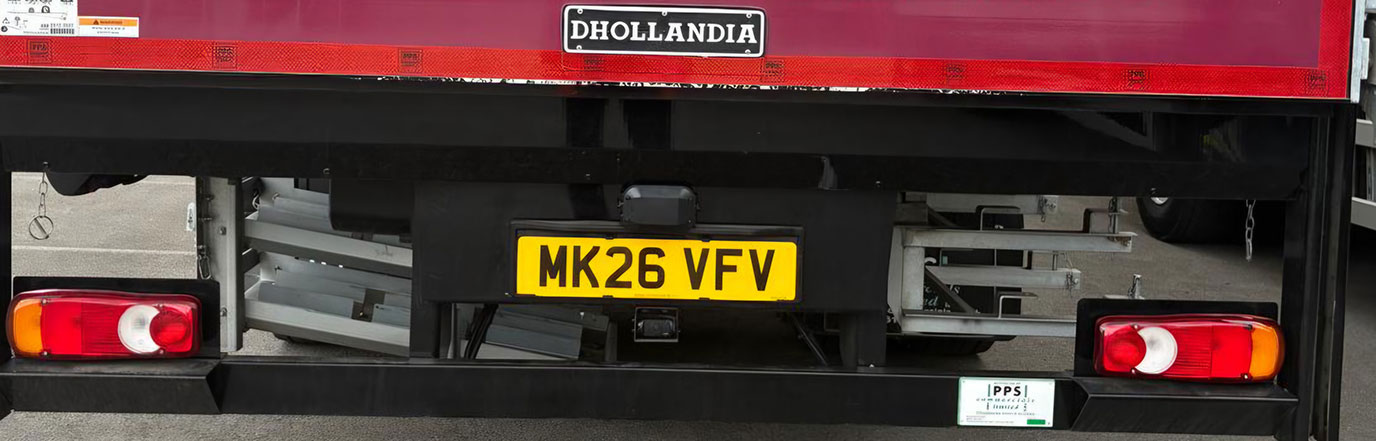
False alerts come from two main sources: the vehicle’s own bodywork being detected by the sensor (tipper bodies, collection chutes, trailer arcs), and environmental triggers (other vehicles in tight spaces, kerbs, fixed structures). Programmable radar sensors prevent body-triggered false alerts by configuring exclusion zones that mask the vehicle’s profile from the detection field. Environmental triggers are managed by tuning the alert threshold and activation logic — for example, BSIS sensors only activating below 30 km/h means urban driving alerts are useful while motorway driving doesn’t generate constant noise. Calibration is per-vehicle and requires technician expertise; it’s not a generic factory setting.
UNECE R151 specifies BSIS for the nearside (kerb side) where the primary cyclist collision risk is — cyclists alongside a left-turning HGV in the UK. Offside (right-side) coverage isn’t required by DVS PSS or FORS, but is best practice on vehicles that frequently overtake cyclists or operate in continental Europe (where the kerb side switches). Backwatch can supply offside BSIS-equivalent sensors with the same technology and detection performance as the nearside; the configuration is independent of the indicator-activation logic the nearside uses.
Sensor failure modes include: connector corrosion (most common in pressure-washed environments), mounting bracket damage from impact or vibration, lens or sensor surface contamination from dust or salt, and electronic failure of the radar or AI processor. Silent failure — where the sensor appears operational but doesn’t actually detect — is the most dangerous mode. Backwatch sensors integrate with the Live View Platform’s system health monitoring, which flags offline or unresponsive sensors in the portal so fleet managers know about faults before the next walkaround check. Daily walkaround checks should include a physical sensor function test (walking in the detection zone to confirm alert fires) — required under FORS Silver+.
AI-based sensors (BWAI) can distinguish between pedestrians, cyclists, and vehicles by training the detection model on each class. Standard radar sensors detect any object in the zone but don’t classify it. For most DVS PSS / FORS applications, classification isn’t required — any object in the detection zone should generate an alert. Where classification matters is for advanced fleet programmes (FORS Gold with cyclist-specific routing, or AI-driven coaching programmes that score driver responses to specific VRU events). Most operators start with object-detection sensors and add AI classification for advanced programmes.
Tell us what vehicles you run and what you need — we will come back with a recommendation and a price. Prefer to talk? Call 01656 721871.
17 July 2026
Monday to Friday:
8.30am-5.30pm